San Francisco’s Gourmet Faneuil Hall

Every trip I take to San Francisco, I always end up at the Ferry Building. I love to meander among the open shops, browsing the unique objects for sale, the ceramic sushi dishes, the redwood burl bowls, the handmade felt animals, silk scarves, and fragrant soaps. I like to taste the chocolate, to sip the drip coffee, to sample the olive oil, and the honey. I like to browse the books, check out the many mushrooms for sale, and drool over the cheeses.

There are so many good places to eat and to sample. I’ve eaten green papaya salad at the Slanted Door, fish tacos at Mijita, and had a mint chip shake at Gott’s Roadside.  I’ve bought fruit and veggies at the Farmers’ Market and sat outside on a bench in the sun, watching the boats and the people go by.
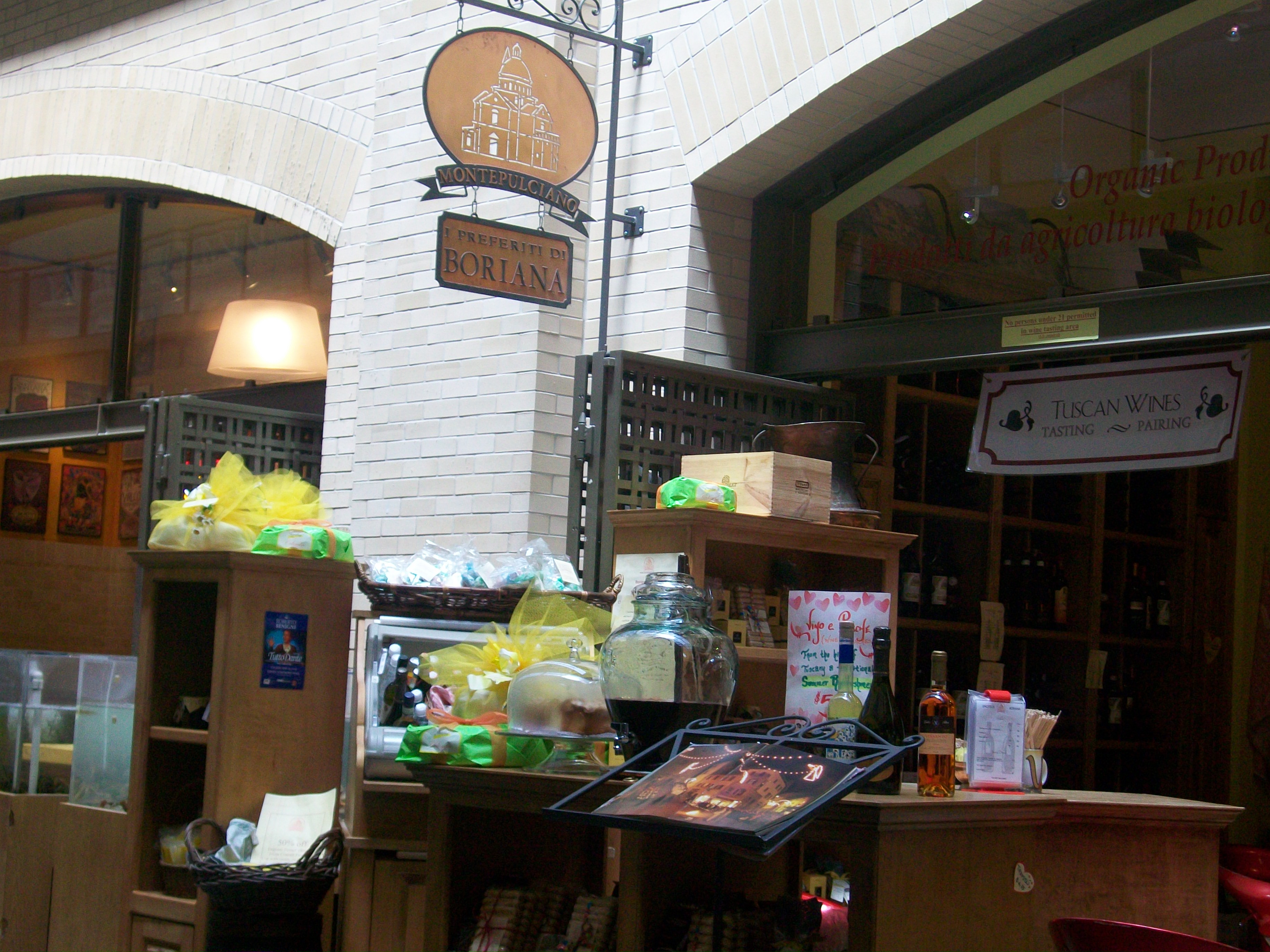
And for you gluten-free eaters, Mariposa Baking Company sells gluten-free breads, quiches, bagels, cookies, and other goodies right in the building. For more gluten-free ideas on where to eat in the Ferry Building, check out these blogs: www.gfreefoodie.com  and www.gfinsf.com.

Just a ferry ride from Marin, a Muni ride from Fisherman’s Wharf, a walk from California Street’s cable car stop, or an easy drive in the city with metered parking across the street, the Ferry Building is located on the water near the Embarcadero. I remember when the building was empty, just a cavern to walk through on my way to work in San Francisco. Now it’s a destination, whether for lunch or dinner, to buy a gift, or just to browse. Every time I go to the city by the bay, I make a point to stop, and I’m never sorry I did.

Photos on this post by Erica Taft on trip taken in May 2009.

California Mexican

When a friend asked me what my favorite food was, I didn’t hesitate. “Salsa!” I replied. I like chips, too, but mainly as a conduit to salsa fresca: tomatoes, onion, a pepper, cilantro, and lime juice. I love the chunky and the tart, with just the right heat. I like my salsa on the medium to mild side, too much heat and my taste buds are overwhelmed; too little heat and the salsa remains only a sidebar. Just the right amount, and I want to add it to everything, the burritos, the tacos, the enchilada.

I like the fresh, California-style Mexican, and I love fish tacos. In college, I traveled to Ensenada with a couple of friends where we ate fish tacos for a quarter from street vendors. Fried fish, salsa fresca, sliced cabbage, mayo and a little lime juice all within a corn tortilla. The best.

Now an East Coast transplant, I’m always searching for the perfect Mexican place. I’ve eaten at several in New England over the years, but no matter how hard I try, my favorite Mexican restaurants remain in California, and two of them are located in the Bay Area: Guaymas and Joe’s Taco Lounge.

Guaymas is the fancier of the two. Located on Main Street in Tiburon, Guaymas is perched on the Bay. You can sit outside among the seagulls and the sail boats or inside where papel picado banners (those brightly colored paper cutouts) decorate the room. I ate lunch at Guaymas after the Loma Prieta Earthquake – feeling safe and lucky in barely touched Tiburon, looking across the Bay at crumpled and warped San Francisco. At Guaymas, they serve a variety of salsas. Try the Ceviche de Pescado, the Poblano en Nogado, or the Tamales Platano.

Not far from Guaymas, you can find Joe’s Taco Lounge in the small town of Mill Valley (identified as one of the best small towns in Smithonian Magazine’s recent article). Small, noisy, and colorful, you have to get there early for a table or be prepared to wait. Here the only view is of colorful hot sauces lining the wall and the bar in the center of this tiny restaurant. I’ve heard the burritos are amazing, but I can’t get beyond the fish tacos, and I always ask for more salsa.

Photos on this post by Erica on trip taken in May 2009.

Exploring Amherst

We explored Amherst the other day, my kids and I. It was school vacation, and equipped with directions, a map, and gluten-free food recommendations from the internet, we set off, arriving in the town of Amherst around 11 a.m.

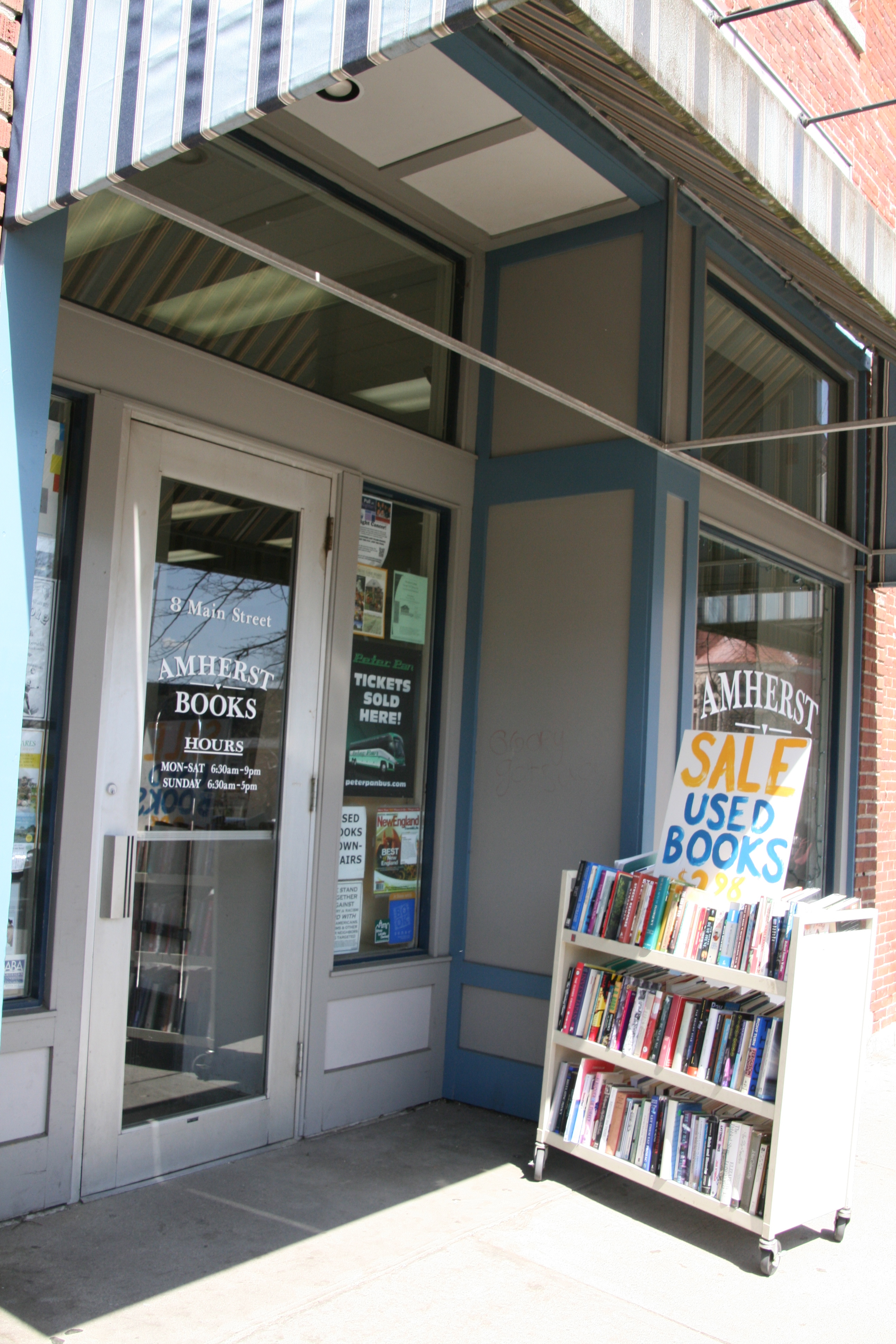
With its white outlined brick buildings, tree lined streets, abundance of colleges (there are five nearby), eateries, and bookstores, it’s easy to see why the town of Amherst has been voted one of the best college towns in  the U.S. more than once.

After parking in front of Amherst College’s gym, we checked in at the Robsham Memorial Center for Visitors before wandering around the private school’s 1000-acre campus. Few of the college’s 1800 students were around (where were they? At lunch? In class?), and my voice echoed outside between the buildings. The grass was green, the grounds immaculate, the buildings stately, the school quiet.

A mile up the road we found the lunch place I’d read about, The Loose Goose. We each chose a different sandwich (from hummus and avocado to turkey and bacon) on a different type of bread (French baguette, ciabatta roll, and even gluten-free sandwich bread) before exploring a few of the shops down the street.

After an ice cream at Bart’s, it was time for our 2:30 tour of UMass.

The University of Massachusetts 1,450-acre campus was bustling, and people were everywhere. Only a short distance from Amherst College and only one and a half times its acreage, UMass’s total student population is over 27,500. We joined a tour of 50 other parents and teens and explored the campus with its variety of architecture, from quaint New England brick buildings to the new 26-story library.

We learned that students at any of the five area colleges, Smith College, Mt. Holyoke College, and Hampshire College, in addition to UMass and Amherst College, can take classes at any of the other schools. Even men can take classes at the all-women schools of Mt. Holyoke and Smith.

We didn’t make it to nearby Northhampton or to any of the other campuses, but instead headed home, our first impression of Amherst, and especially UMass, a good one.

Trip Taken April 2012

Eating in NYC (Gluten Free!)

In New York City, we all ate well, and the gluten eaters were as satisfied as the gluten-free eater. We ate crepes, bread sticks and pizza, panini and Reuben sandwiches, macaroni and cheese, French fries, cupcakes and cheesecake, and all were gluten free.

Risotteria in Greenwich Village for dinner:  What celiac wouldn’t love a place where the bread sticks are gluten free? We shared so much pizza and panini that we were too full to try any of the gluten-free desserts.

Crepes in Chelsea Market for breakfast: Ask for the gluten-free crepes at Bar Suzette. Made with lentil and rice flour, the crepes are delicious with Nutella and strawberries.

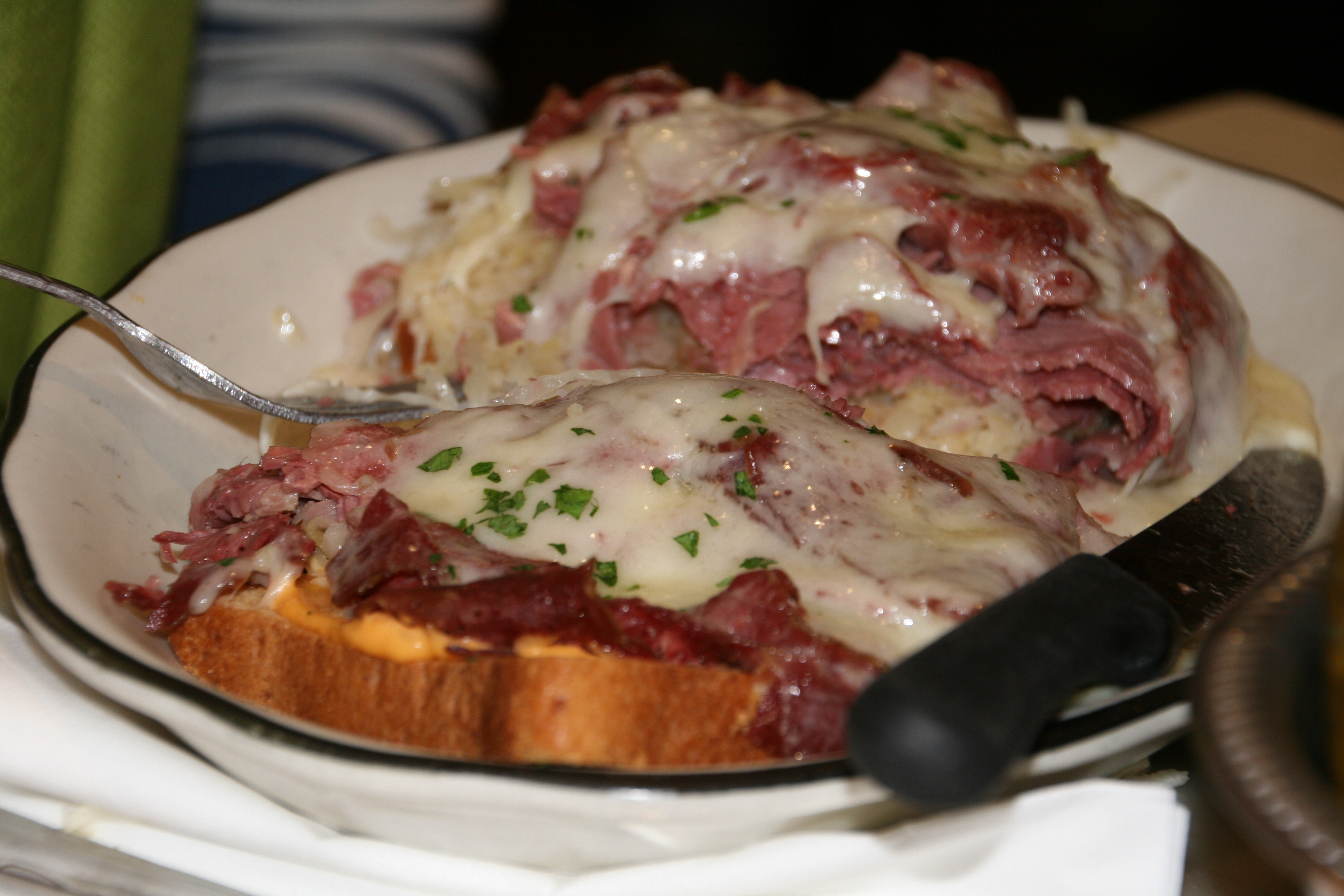
Lunch at a New York Deli: The gluten-free Reuben sandwich at Bloom’s Deli was piled so high with corned beef, my daughter could eat less than half at one sitting. We brought the rest back to our hotel fridge.

Dinner on the Upper East Side: Another deli, we ate this time at Peters’ Restaurant where everything can be made gluten free except for a few items marked with an x (e.g., wraps, focaccia, bagels). While some of us ate pasta and Greek chicken, our gluten-free diner chose meatloaf and French fries.

Macaroni and cheese in the East Village: S’Mac cooks up a variety of macaroni and cheese options though we all chose the gluten-free pasta so we could share and sample the different flavors we chose (spinach, olives, garlic and goat cheese; Manchego cheese, fennel and onions; Gruyere and bacon). S’Mac offers regular elbow macaroni as well as whole wheat and rice pasta. You can eat vegan there, too.

Cupcakes: We tried two gluten-free cupcake establishments, both located on the Lower East Side. Most everything (banana bread, cupcakes, brownies) at Babycakes is not only gluten-free but vegan as well. They also offer a few baked goods made with spelt flour. Tu-Lu’s Gluten-Free Bakery, a few blocks away, caters to those looking for the gluten-free not so healthy but delicious alternative. And when the gluten eaters elected to imbibe at Magnolia Bakery on Fifth Avenue (which is NOT gluten free), my daughter was happy with a Klondike bar bought at a market down the street.

Our only disappointment was trekking across town for gluten-free bagels at Vic’s Bagel Bar on 36th Street and 3rd Avenue, only to discover that they had none that day. Another day, we called and they were all out. So, if you want to check out this place, be sure to call and to show up early. They only make one batch of gluten-free bagels first thing each morning before making the regular bagels.

Gluten Free on Safari

When I made reservations to stay at Umlani Bush Camp in South Africa, I told them my daughter had celiac disease and was on a gluten-free diet. “Not a problem,” I was told. “We’ve had several guests who eat gluten free.” So I relaxed a bit, knowing that Umlani was one of our last stops at the end of a 4-week trip.

Arriving at Umlani just in time for lunch, I was apprehensive, wondering what she would eat for the next 3 days. The light lunch was anything but: butternut squash and sweet potato soup with fresh bread, salad, pasta with sundried tomatoes, chicken and artichoke hearts in a creamy sauce, and cheese and chutney for dessert. The soup was gluten free but not the bread and not the pasta. Then the owner appeared with a small dish of gluten-free pasta made just for her.

Before the animal game drives, while everyone congregated in the boma for wheat rusks and coffee, my daughter drank the hot chocolate (after verifying that it was gluten free) and skipped the rusks or brought her own, bought in a supermarket near Kruger National Park.

At breakfast, she ate eggs, tomato, bacon, and fresh fruit and gluten-free muffins baked especially for her. When lunch included spring rolls for the rest of us, the chef cooked the spring roll ingredients in eggs and served it without the skin. When lunch included lasagna, a gluten-free potato version was offered instead. Sundowners (a stop for a cocktail in the bush as the sun was setting) included potato chips and biltong (which she avoided, just in case) and Appletisers or Grapetisers for the kids.

Dinners included pork on skewers with pineapple and apricots, vegetables and potatoes and salad; impala stew with veggies, polenta and salad, strawberries and cream for dessert; and chicken (made without bread crumbs for the gluten-free eaters), risotto, veggies and salad.

Eating gluten free was easy and delicious at Umlani. At no time did my daughter feel deprived. At no time did she feel nauseous or sick. Instead, she ate well like the rest of us, and maybe even gained a little weight.

Trip taken 2011.

Eating in Lesotho

I was apprehensive about our trip to Lesotho, not knowing what the food would be like, not knowing how I would communicate the need to eat gluten free in a language I didn’t speak. Every time I spoke to someone at World Vision by phone or in emails, I emphasized the need for my daughter to eat gluten free. The last thing I wanted to do was offend the family of our sponsored child as they fed us a meal. On the other hand, I didn’t want my daughter to get sick!

Before we left, I researched the food of Lesotho and was relieved to learn that their diet consists mainly of corn, vegetables and meat. As we traveled to the World Vision offices, we reminded Julius, our translator, of my daughter’s dietary restrictions, and as we were served a feast, buffet style, we depended on another World Vision employee who was fluent in English and very articulate to ask the questions we would normally ask: “Does this dish contain any wheat or any flour or any bread crumbs?”

With the help of our World Vision friends, we learned which dishes contained gluten and which dishes our daughter should avoid. We put our trust in their understanding and in the translation, and she never got sick. This is what we ate:

  • Roasted chicken wings, thighs and drumsticks
  • Nyekoe – sorghum, pumpkin and beans
  • Carrots with beans and curry spices
  • Beans with onion and carrots
  • Pumpkin (served like boiled squash)
  • Samp (aka pap) – finely ground maize boiled until stiff, similar to polenta
  • Lentils
  • Lipabi – ground roasted corn served for a snack
  • Motoho – a traditional porridge made from sorghum, similar to apple sauce in texture and in sweetness
  • Dried peaches
  • Bread (contained wheat)

Later that evening, we experienced our second Lesotho culinary experience while eating at our hotel’s restaurant in Butha Buthe. Accompanied by simple green salad and rice, we had a choice of chicken, T-bone steak, or rump roast. The meat was prepared simply, the chicken stir fried with peri peri spices and served with peach chutney. Delicious and gluten free. For breakfast at the hotel the next morning, we ate a traditional English style breakfast with cereal, yogurt, fruit and bread to start followed by eggs cooked to order, bacon and stewed tomatoes. Lunch the next day included chicken, beet salad, coleslaw, mashed potatoes and pineapple Fanta.

Avoiding gluten in Lesotho was easy, especially since wheat is not a traditional staple, but trusting in people and their understanding of our dietary restrictions was important for our peace of mind as well as the health and comfort of our daughter.

Trip taken August 2011.

Eating Gluten Free in South Africa

When my daughter was diagnosed with celiac disease, I couldn’t imagine traveling in a country where I didn’t speak the language. How and what would she eat? Eleven years later, we were ready to give it a try, and though we don’t speak Xhosa or Sesotho or Afrikaans, our 4-week trip to South Africa and Lesotho was almost entirely gluten free.

Before we left:

  • We ordered a gluten-free meal for the plane but brought along snacks just in case.
  • I researched the type of food we were likely to encounter and learned that in the villages, maize (corn) is a staple (called pap).
  • I googled “gluten free in South Africa” and discovered that gluten-free products do exist in health food stores and in major supermarkets (Pick n Pay, Clicks, Woolworths) in the big cities.
  • We packed dried food meals that only require boiling water to cook (check out Trader Joe’s for a few gluten-free options). We also packed gluten-free oatmeal and lots of gluten-free bars (Think Thin and Lara bars).
  • We chose to “self cater” many nights which was a less expensive option than eating every meal out and gave us the opportunity to cook for ourselves.
  • When booking a bed and breakfast, I always asked what type of breakfast was included and told them that one of us ate gluten free.

What we discovered:

  • On the plane (we flew Lufthansa and South African Air), the specially ordered gluten-free main meal was always gluten free (e.g., salmon, rice and veggies with rice cake and fresh fruit or omelet with potatoes and fresh fruit). But the snacks were not (ham sandwiches on a roll with a granola bar or oatmeal cookies).
  • Just like in the U.S., each supermarket varies in the products it carries. We found gluten-free bread and crackers at Woolworths and gluten-free pasta at Pick n Pay. We found gluten-free bread and cookies at a small health food store in Cape Town’s Sea Point, gluten-free granola in the town of Ladybrand and even gluten-free rusks at a Pick n Pay just outside of Kruger National Park. Some supermarkets, especially Woolworths, carry ready-to-eat food which worked well for a spontaneous picnic lunch (cheese, fruit, veggies, hummus). Many brands carry gluten-free labels, and all ingredients were listed.
  • Having bars and dried gluten-free food gave us peace of mind and when dinner at the lodge was not gluten free, no worries, we just boiled up some water and cooked some freeze dried Indian food in minutes. GF cookies were handy as a substitute for the many wheat-based desserts (e.g., cake with custard sauce, milk tart, or apple crumble) we were served.
  • Breakfasts were easy. We ate several English breakfasts, complete with eggs cooked to order, stewed tomato, bacon and fruit. Just say no to the toast or pancakes on the side (and be sure to check for cross contamination).

When we didn’t speak the language, there was always some one who did. Since English was not the first language of our translators, we had to put some faith and trust in them. In the villages, the people cooked simply from whole foods so we rarely had to worry about hidden ingredients (e.g., barley malt). When we told them no flour and no bread crumbs, the first response was always, “Shame!” but they listened and told us when a meal was not gluten free. Though we carried paper bags with us and Pepto Bismo and Tums, there was never a need. In 4 weeks of traveling throughout South Africa, my daughter never got sick and never went hungry.