I was apprehensive about our trip to Lesotho, not knowing what the food would be like, not knowing how I would communicate the need to eat gluten free in a language I didn’t speak. Every time I spoke to someone at World Vision by phone or in emails, I emphasized the need for my daughter to eat gluten free. The last thing I wanted to do was offend the family of our sponsored child as they fed us a meal. On the other hand, I didn’t want my daughter to get sick!
Before we left, I researched the food of Lesotho and was relieved to learn that their diet consists mainly of corn, vegetables and meat. As we traveled to the World Vision offices, we reminded Julius, our translator, of my daughter’s dietary restrictions, and as we were served a feast, buffet style, we depended on another World Vision employee who was fluent in English and very articulate to ask the questions we would normally ask: “Does this dish contain any wheat or any flour or any bread crumbs?”
With the help of our World Vision friends, we learned which dishes contained gluten and which dishes our daughter should avoid. We put our trust in their understanding and in the translation, and she never got sick. This is what we ate:
- Roasted chicken wings, thighs and drumsticks
- Nyekoe – sorghum, pumpkin and beans
- Carrots with beans and curry spices
- Beans with onion and carrots
- Pumpkin (served like boiled squash)
- Samp (aka pap) – finely ground maize boiled until stiff, similar to polenta
- Lentils
- Lipabi – ground roasted corn served for a snack
- Motoho – a traditional porridge made from sorghum, similar to apple sauce in texture and in sweetness
- Dried peaches
- Bread (contained wheat)
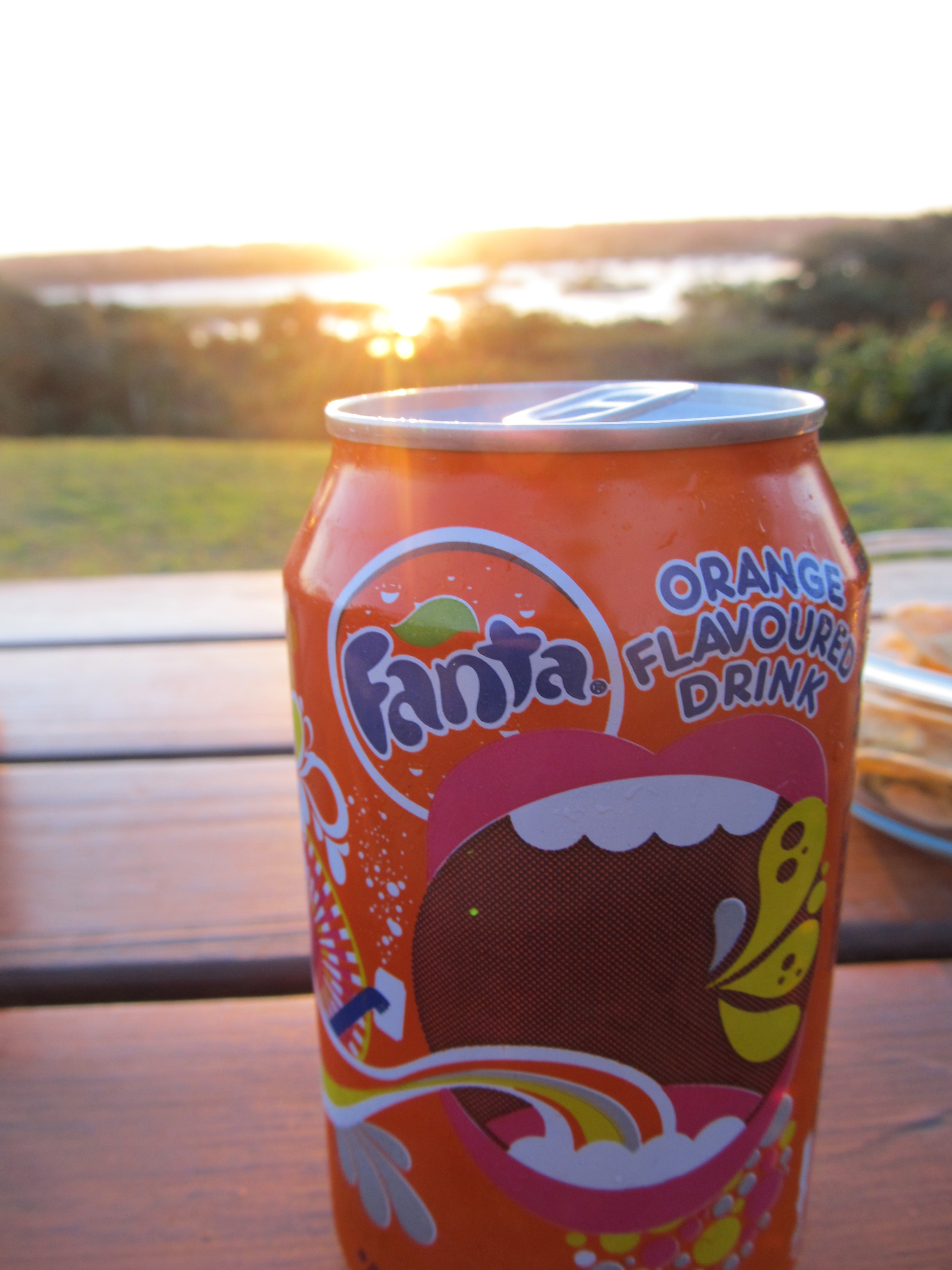
 Later that evening, we experienced our second Lesotho culinary experience while eating at our hotel’s restaurant in Butha Buthe. Accompanied by simple green salad and rice, we had a choice of chicken, T-bone steak, or rump roast. The meat was prepared simply, the chicken stir fried with peri peri spices and served with peach chutney. Delicious and gluten free. For breakfast at the hotel the next morning, we ate a traditional English style breakfast with cereal, yogurt, fruit and bread to start followed by eggs cooked to order, bacon and stewed tomatoes. Lunch the next day included chicken, beet salad, coleslaw, mashed potatoes and pineapple Fanta.
Avoiding gluten in Lesotho was easy, especially since wheat is not a traditional staple, but trusting in people and their understanding of our dietary restrictions was important for our peace of mind as well as the health and comfort of our daughter.
Trip taken August 2011.
 Snapshots and Sojourns