Camping at Wire Lakes

We awoke at Gem Lake to what would be our coldest morning: the thermometer read 25 degrees. Although I wore a hat and gloves for breakfast, by the time we were ready to begin hiking, the sun was higher in the sky, and I’d shed my outer layers.
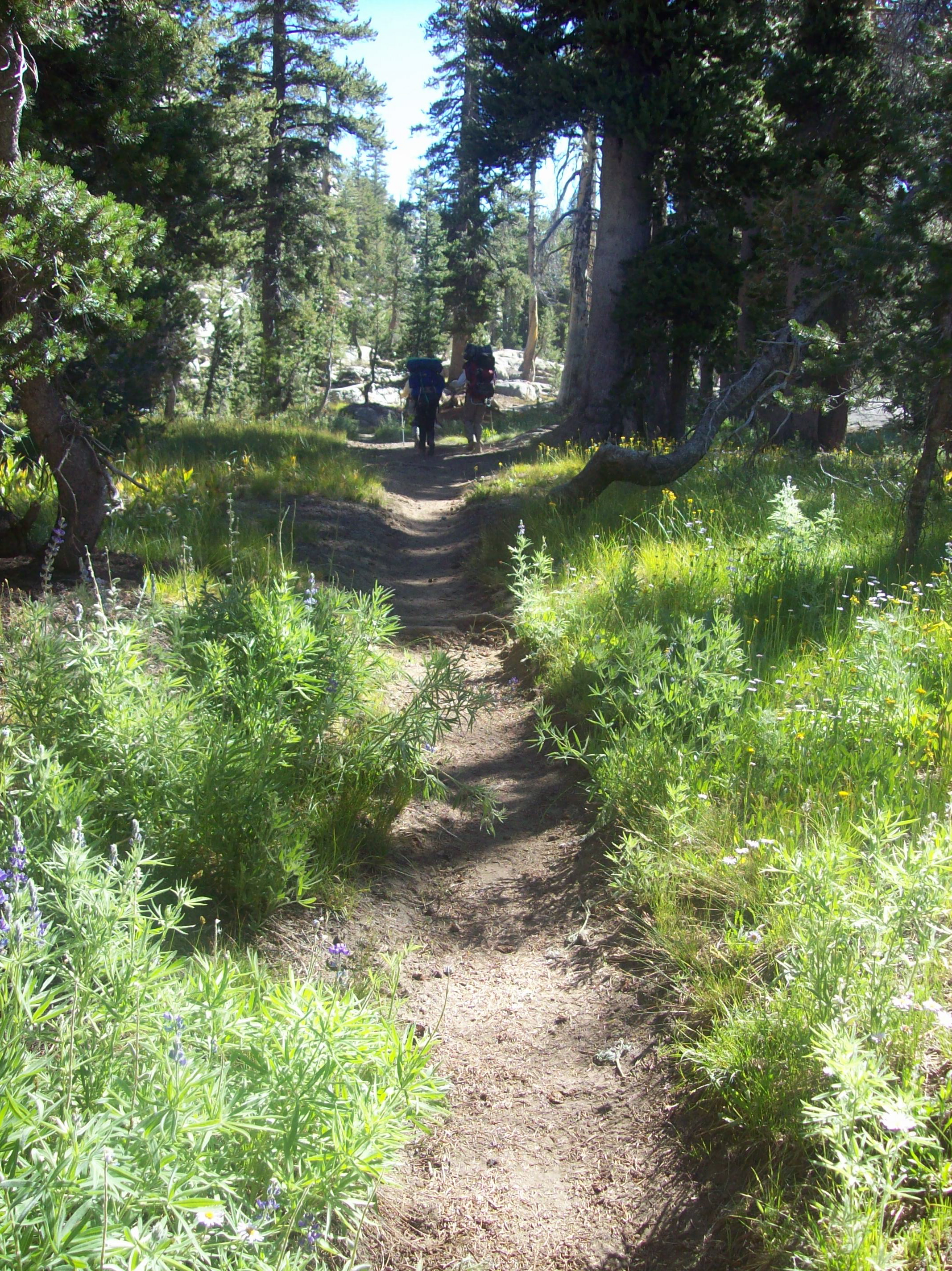
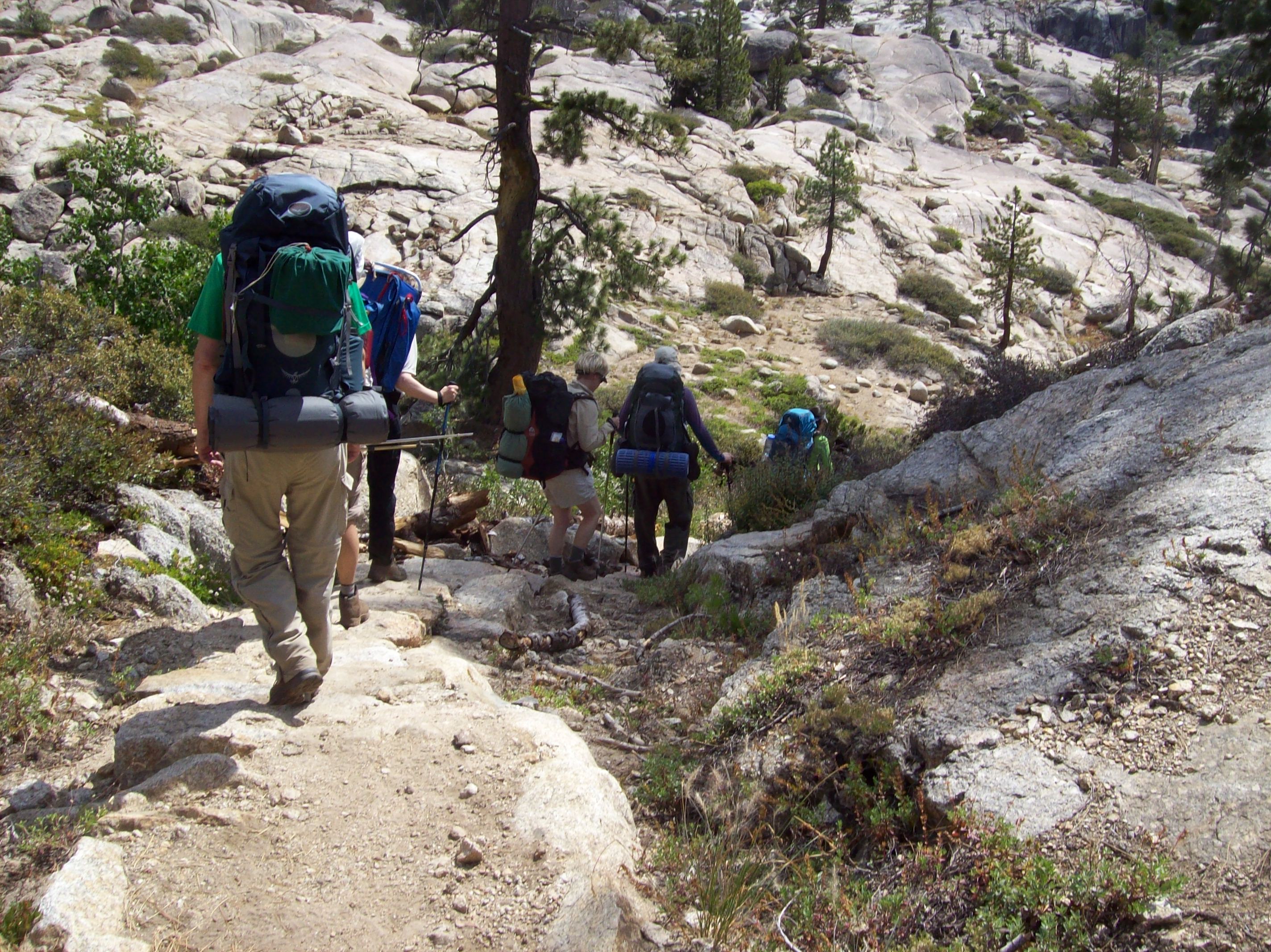
On this trek from Gem Lake to Upper Wire Lake, only a 4-mile hike up and down, we encountered a family with a dog, Boy Scouts, and even a church group of youths learning to rock climb. We hiked quickly, our packs lighter each day, and arrived at Wire Lake, our next destination, for a late lunch. After eating, we surveyed the area, looking for a place to camp.
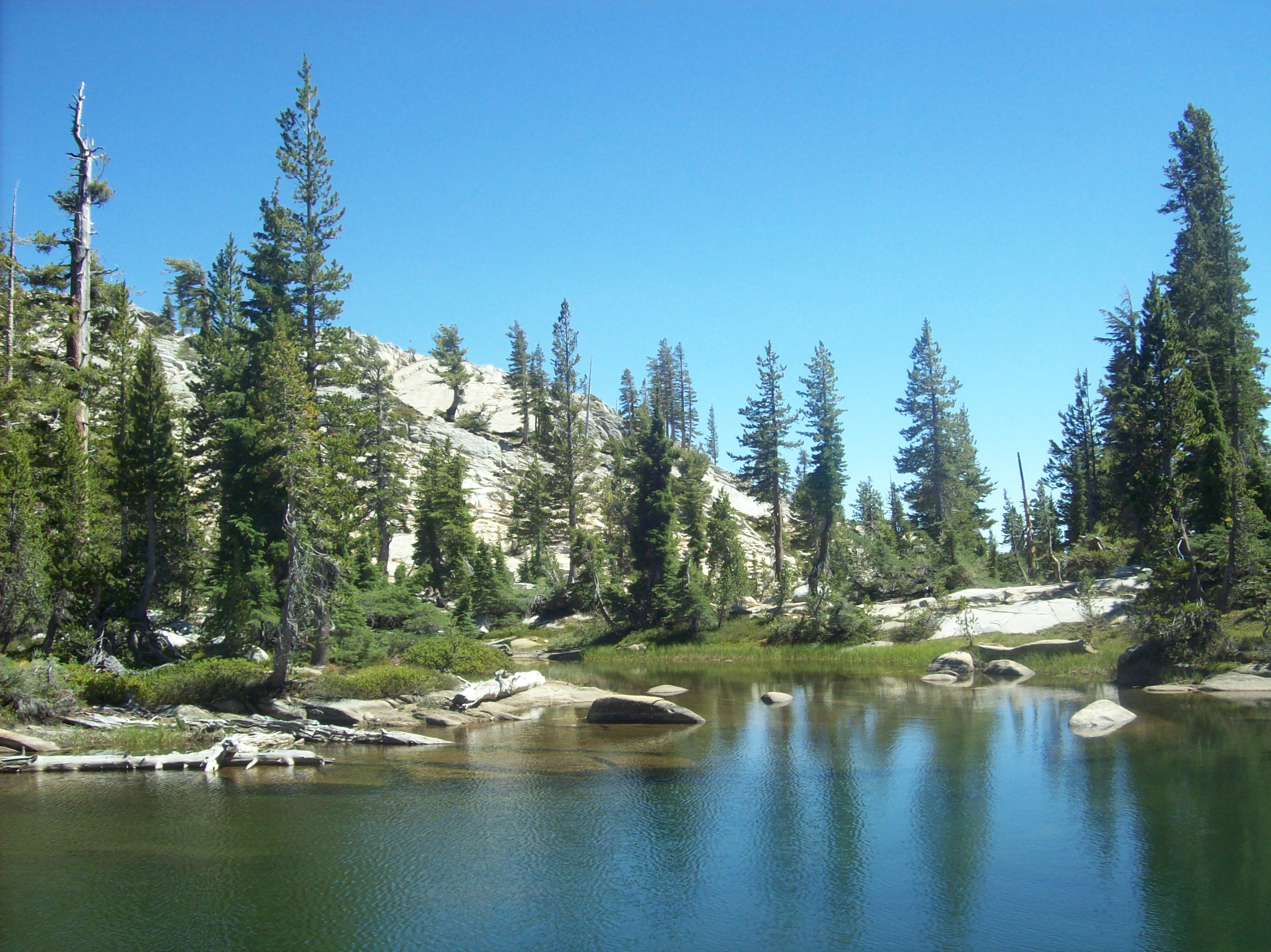
At first, Upper Wire Lake did not look promising. Much of the shoreline was rimmed by granite, the rest by woods or grassy meadows, the only group campsite already claimed.

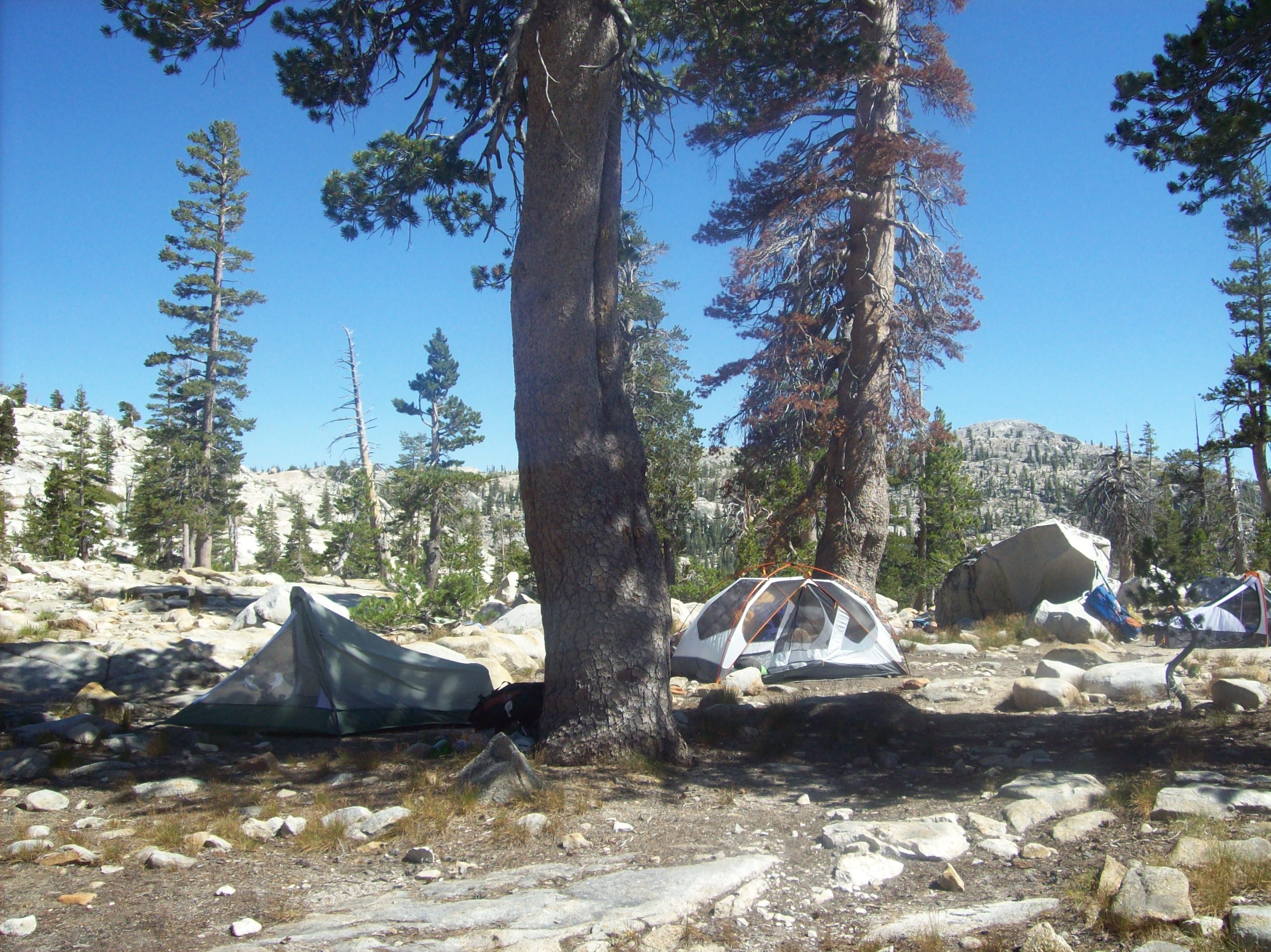
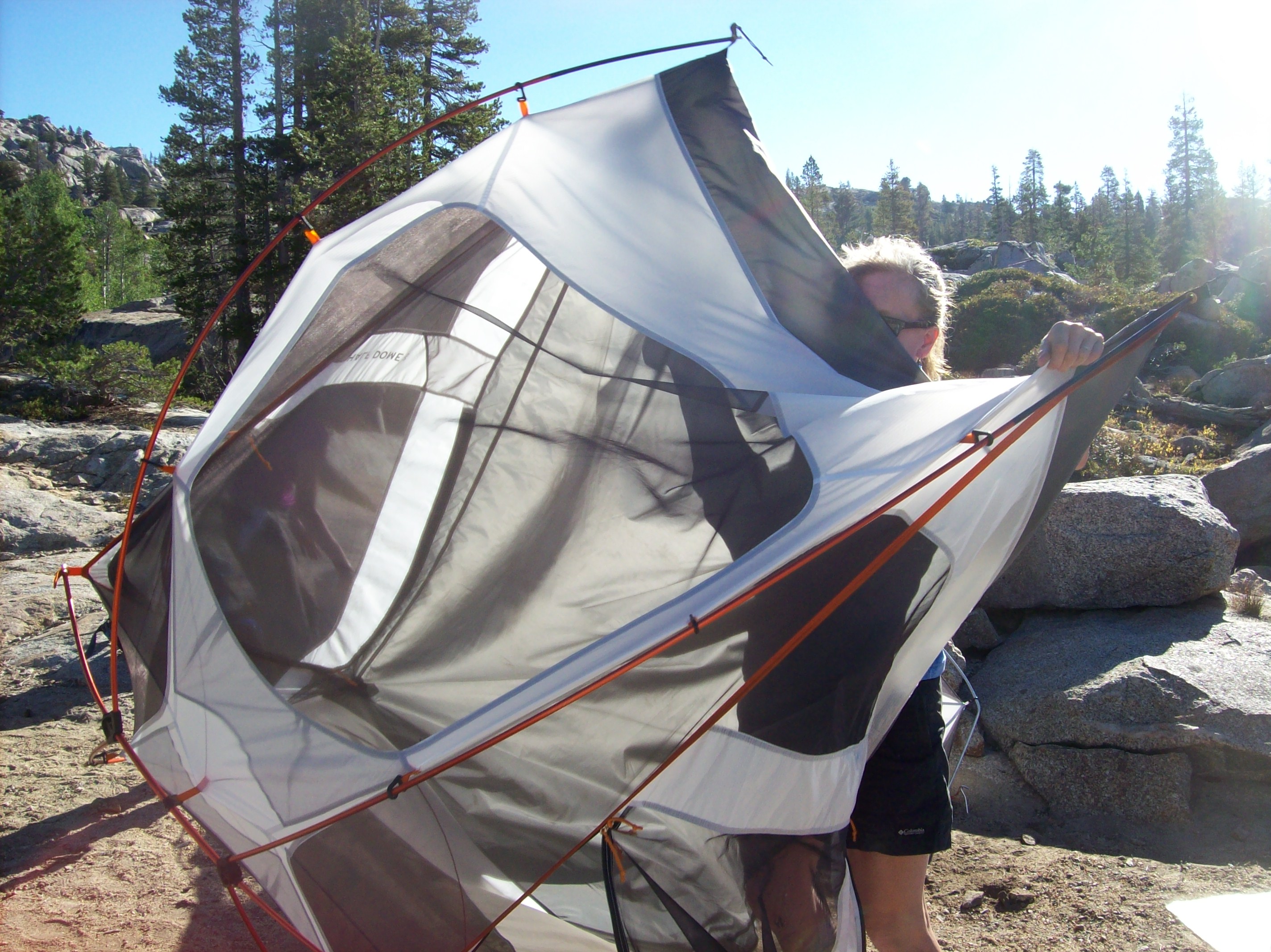
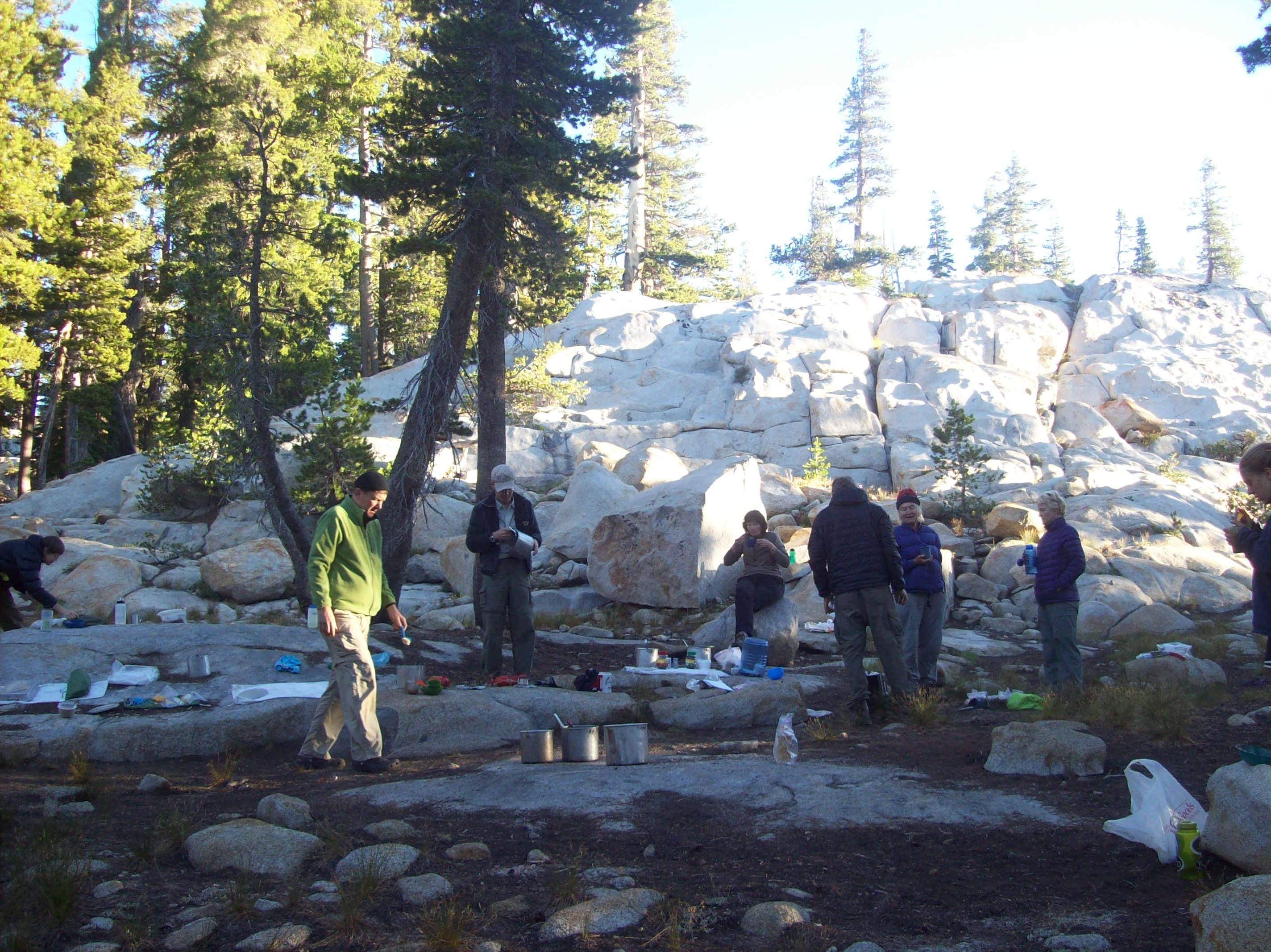
Following the Leave No Trace principles, we searched for areas void of new life to pitch our tents and separated. Beneath a grove of pines, I found a dirt and pine needle covered, somewhat flat area abutting a boulder strewn hill. A few of us pitched our tents there while others found small crevices of dirt between rocks on the edge of the granite hill. Walking to our “kitchen” and communal area was more of a challenge at this site, as we bushwacked through pinecones, over rocks, and around fallen trees for each meal.

We hiked up the hill for the sunset, viewing the rest of the Wire Lakes and wondering at the castle looking rock formation in the distance.
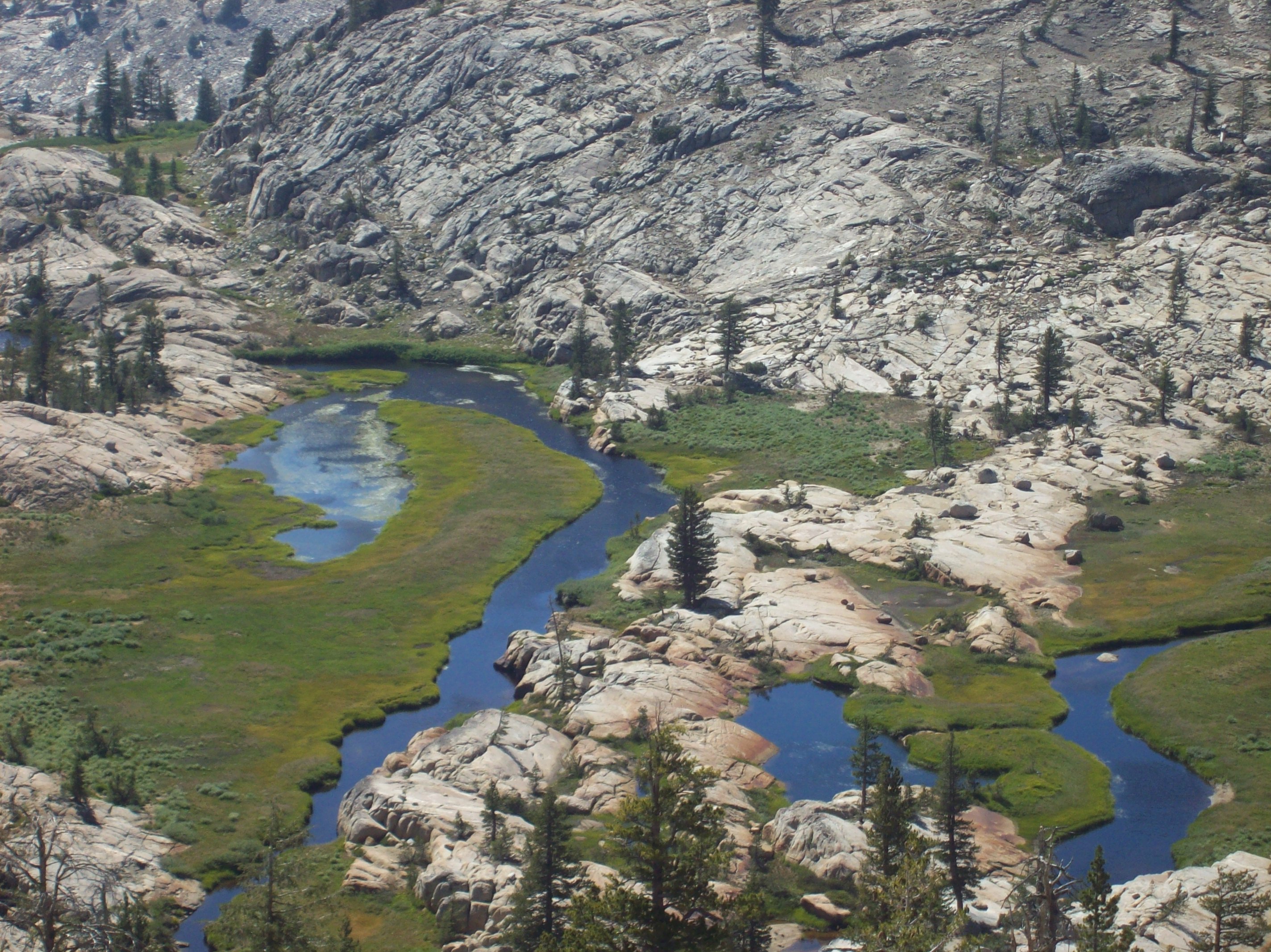
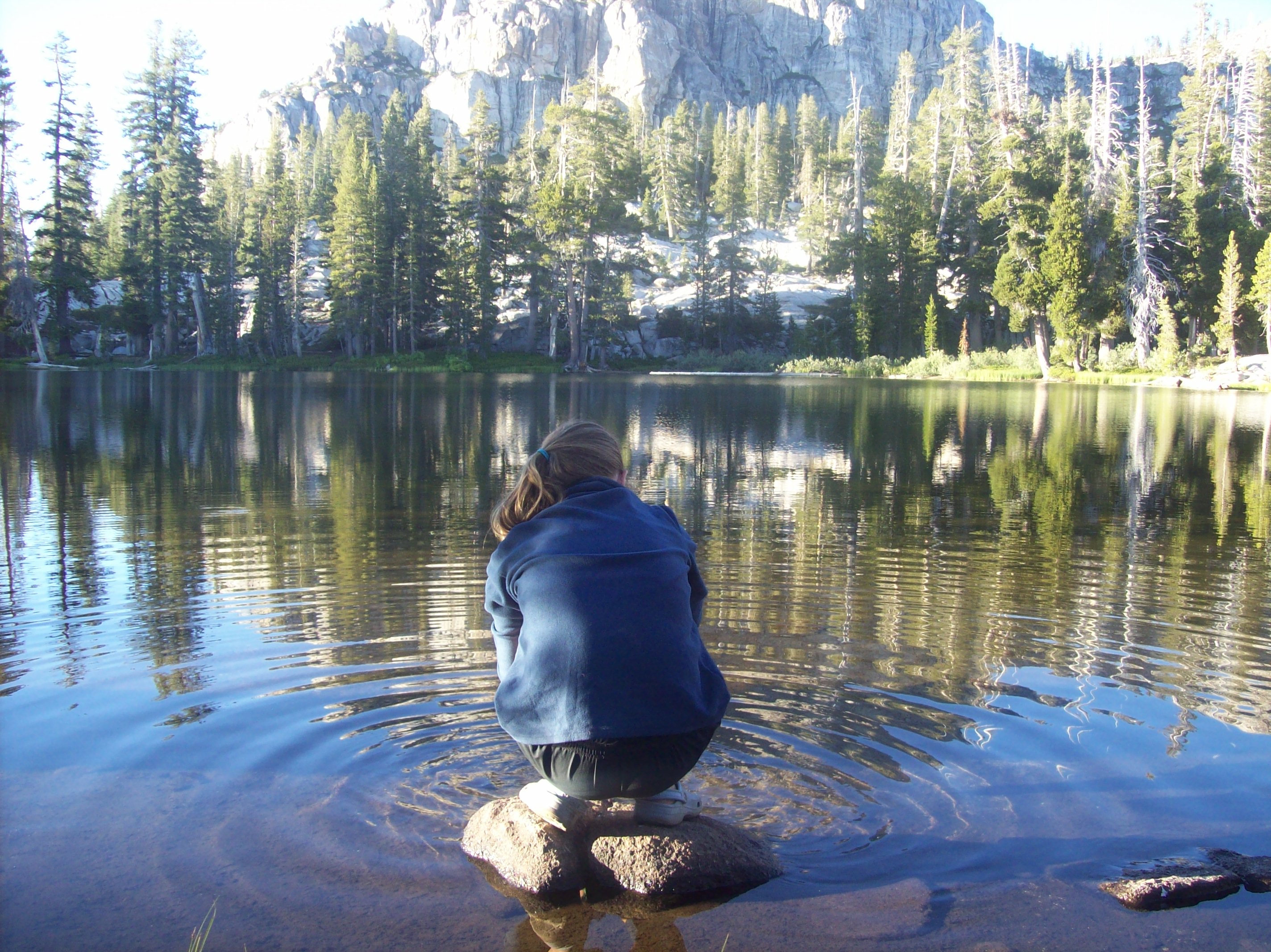
We spent two nights at Upper Wire Lake, exploring the shoreline and its coves, swimming out to a boulder then warming ourselves in the sun as the breeze picked up, and hiking to nearby Long Lake. On this morning only, we were able to sleep a little longer (until 7 a.m.!), not hurrying to pack up our tents or our packs.

We woke again early on our fifth day on the trail, said good-bye to Upper Wire Lake, and headed back on the trail.

From Lily Pad Lake to Gem Lake

I started to fall and couldn’t right myself. With 40 or so pounds on my back, my center of gravity was off and I fell face first into the dirt. Fortunately, the dirt was soft and except for a ruddy face and smudged sunglasses, I was fine, just tired and a little embarrassed. We were at the end of a 4-mile hike from Lily Pad Lake to Gem Lake on the third day of our backpacking trip.

With its plentiful campsites, several small beaches and its clear, blue water, Gem Lake is a popular destination; and while we found the lake idyllic, others did too. Their tents hidden behind boulders and lodgepole pines, we caught an occasional flash of red or green and heard swimmers yell as they dove and swam, a dog barking excitedly.

Electric blue fireflies flitted around us as we relaxed on the warm rocks, talking and reading.

We slept without a rain fly that night and gazed at the stars through the screen of our tent.

From Crabtree Camp to Lily Pad Lake

With our 45-pound packs on our backs, we began our journey about 8:30 a.m. and set out on the Crabtree trail in the Stanislaus National Forest before entering the Emigrant Wilderness.

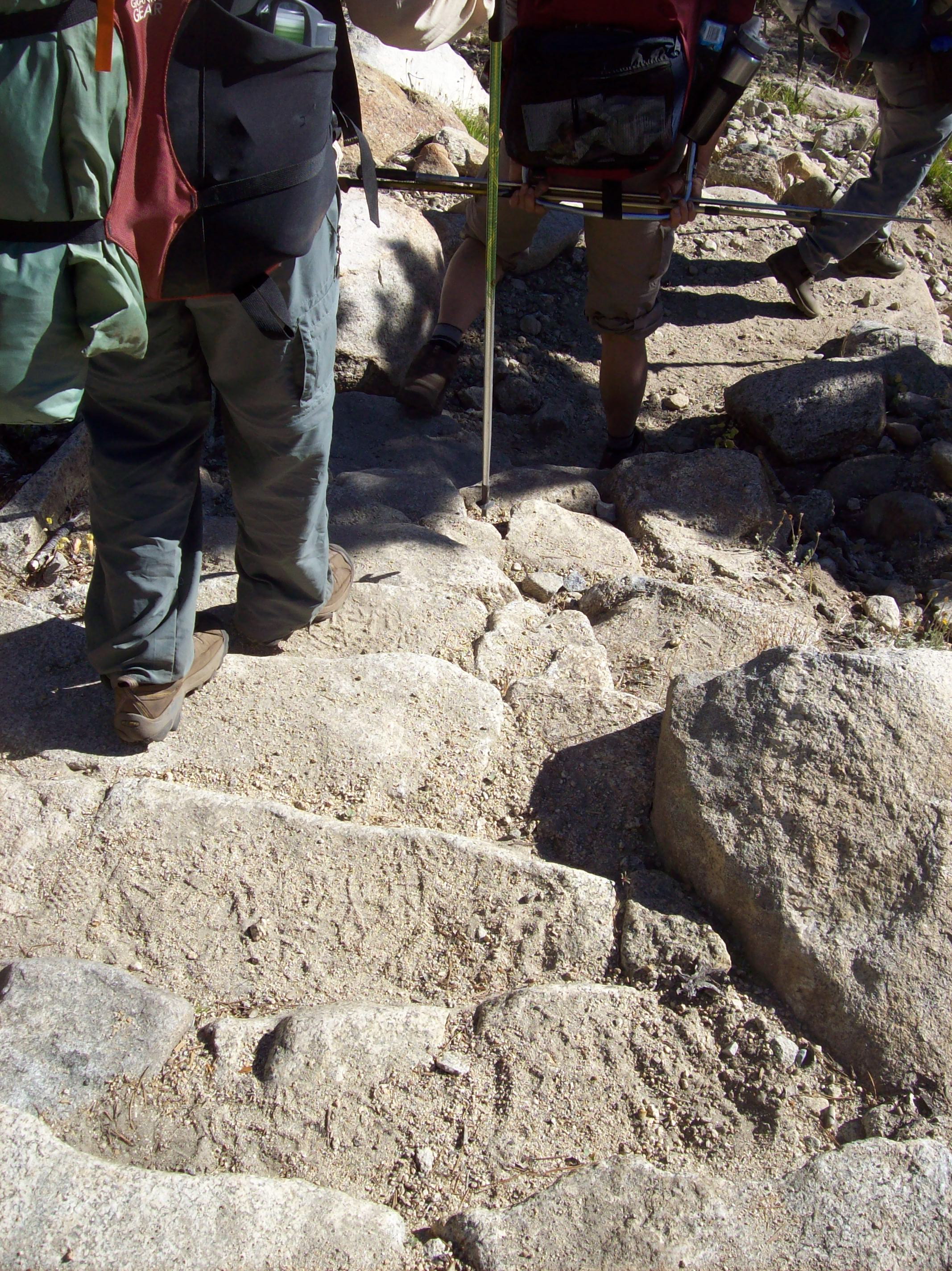
We climbed up and down steps made of granite, stopped briefly for a view of Camp Lake then up again and down a dusty switchback trail.

It was hot, our packs were heavy, and after a water and lunch break, our conversation stopped and we headed up again, each of us concentrating on the next step as our packs dug into our shoulders.

After 5 miles, we arrived at Lily Pad Lake, named for the abundance of lily pads on its surface.

After setting up our tent, we grabbed our water bottles and headed for a large granite rock by the lake. We slid into the water, the lily pads preventing us from swimming but allowing us a small space to cool off.

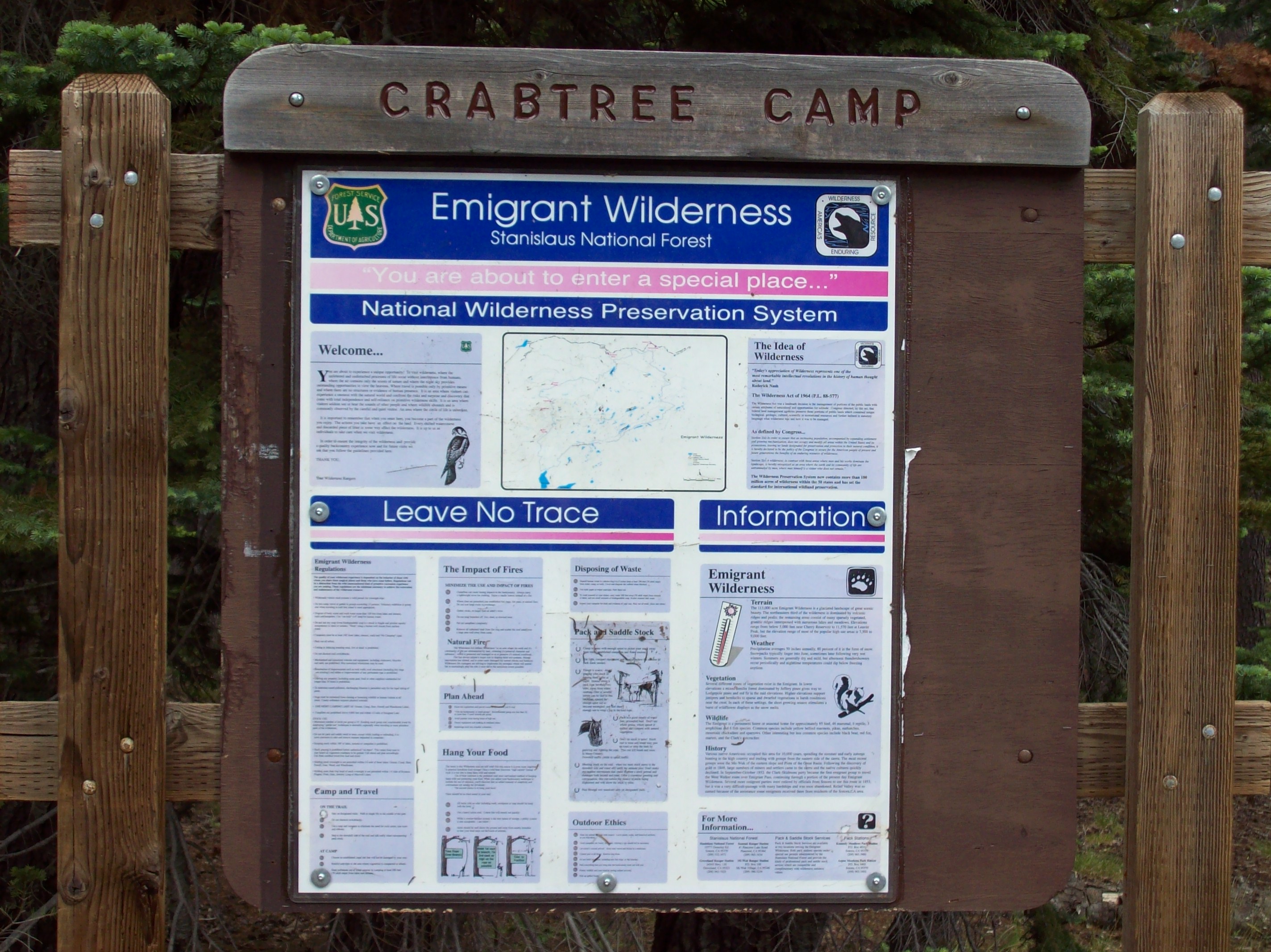
Refreshed, we joined our group for a Leave No Trace presentation by a volunteer of the Emigrant Wilderness and Stanislaus National Forest. We learned that the seven Leave No Trace principles are: 1) Plan Ahead and Prepare; 2) Travel and Camp on Durable Surfaces; 3) Dispose of Waste Properly; 4) Leave What You Find; 5) Minimize Campfire Impacts; 6) Respect Wildlife; 7) Be Considerate of Other Visitors.

On a large flat rock against a pink sky, one of our fellow backpackers spontaneously led us in yoga exercises. We fell asleep that night tired but relaxed.

Among Strangers in the Emigrant Wilderness

Have you ever chosen to spend a week of your vacation with people you’ve never met? My teenage daughter and I signed up for a week long Sierra Club backpacking trip not knowing a soul.

We met two of our fellow backpackers at the BART station in Walnut Creek, California, where we agreed to meet in order to carpool to the trailhead. We met our leaders and the rest of the group at the Crabtree Camp in Stanislaus National Forest near Dodge Ridge Ski Area not too far from Sonora. Not only were there people from Northern and Southern California, there were backpackers from Alaska, Texas, Connecticut, and Massachusetts. We were teenagers and over age 65, men and women, married and single, backpacking for the first time or for the umpteenth time.

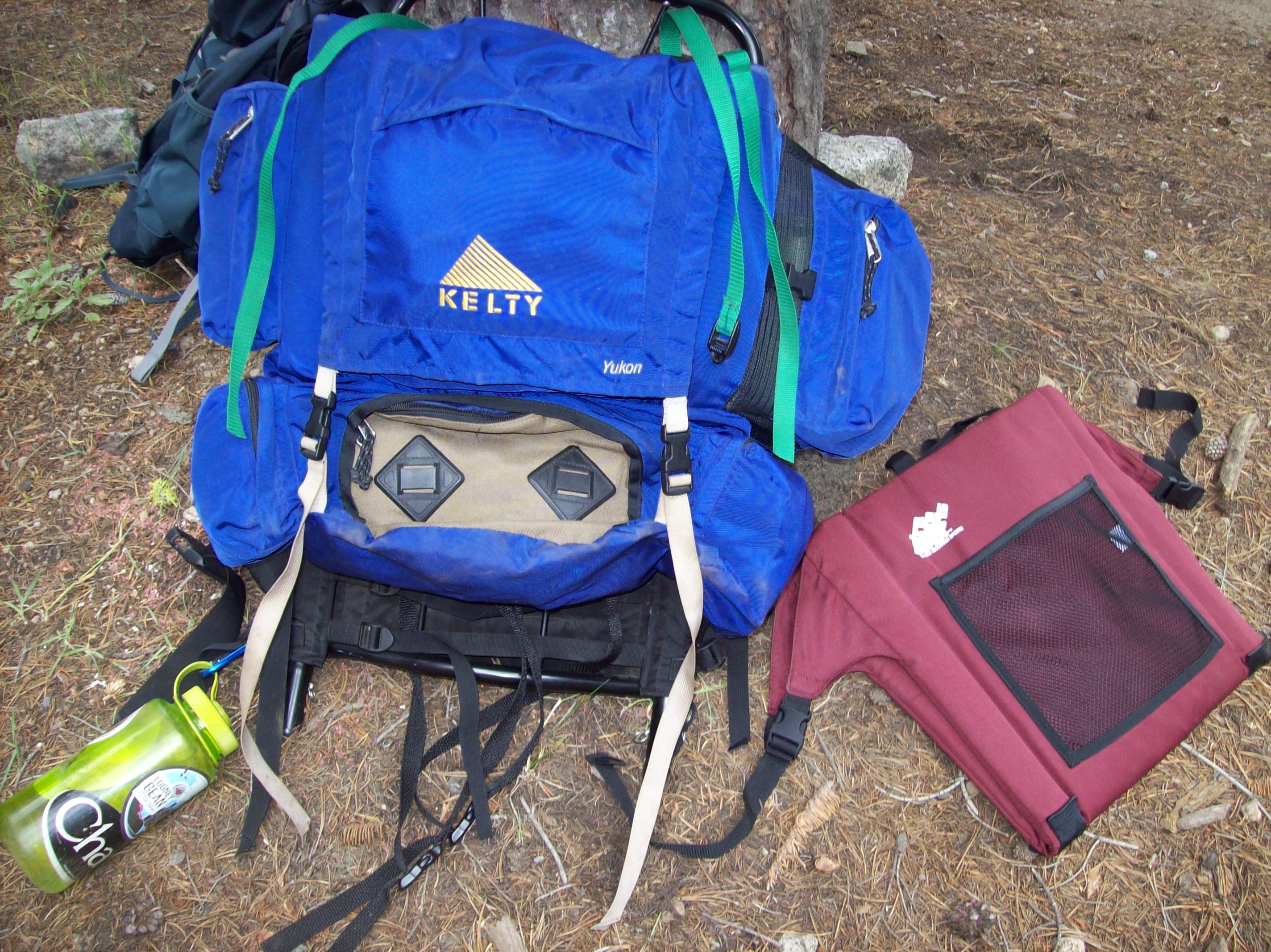
Once everyone arrived, it was time to weigh in. How much weight was I really going to carry on my back while hiking several miles at elevations of over 8,000 feet? After packing and repacking, adding, replacing and removing items, I did my best to keep the weight of my pack as low as I could. Our leader recommended we start with no more than 25 pounds, including pack, water, tent, first aid kit, and clothes for a week where temperatures could range from 25 to 85 degrees with rain or sun. Each of us would add a bear canister, containing at least 15 pounds of food and cooking utensils, to our pack.

One by one, we hooked our backpacks onto the portable scale hung on a pole next to the picnic table. In spite of my efforts (a fellow backpacker and I even split a book in half to share the weight), my pack weighed a hefty 28 pounds.

That night we ate burritos and chatted around our only campfire of the week. We studied the map and shared experiences before heading to our tents for the night, ready to begin backpacking the following morning.

Gluten-Free Backpacking

When my son and husband signed up for a Boy Scout backpacking trip in the Eastern Sierras, I was determined to find an equally exciting adventure for my daughter and me. And I did, without much searching. I was surprised to find a week-long gluten-free beginner’s backpacking trip offered by the Sierra Club in the Emigrant Wilderness just north of Yosemite. Since my daughter is gluten free and a beginner backpacker, and it had been over 15 years since I carried a pack, we signed up.

Over the next few months, our leader changed from a woman with celiac disease to a woman who does NOT eat gluten free, and the trip description changed to a beginner’s backpacking trip.”   We were given the option to opt out of the trip but were assured that my daughter and another backpacker would still eat gluten free, and they did.

From burritos to quinoa to pasta with pesto or sundried tomatoes to lentils and rice, we all ate well. We ate granola, oatmeal, and scrambled eggs for breakfast; tuna, peanut butter and jelly, and cheese and crackers for lunch. At breakfast and lunch, while the rest of us ate cereal, crackers, tortillas, and pita bread containing wheat, my daughter ate gluten-free substitutes. Dinners were gluten free for all.

The trip was great, she was never sick, we were introduced to a few new gluten-free products, and the rest of our 11-member group learned a lot about eating gluten free and preventing cross contamination between wheat products and gluten-free ones.


Seaweed and Lobsters

Have you ever been to a New England clambake? Not just a lobster boil or a barbeque, but a real clambake where lobsters and clams are steamed by seaweed sitting on very hot rocks. In case you haven’t been lucky enough to have the experience, here’s how it works:

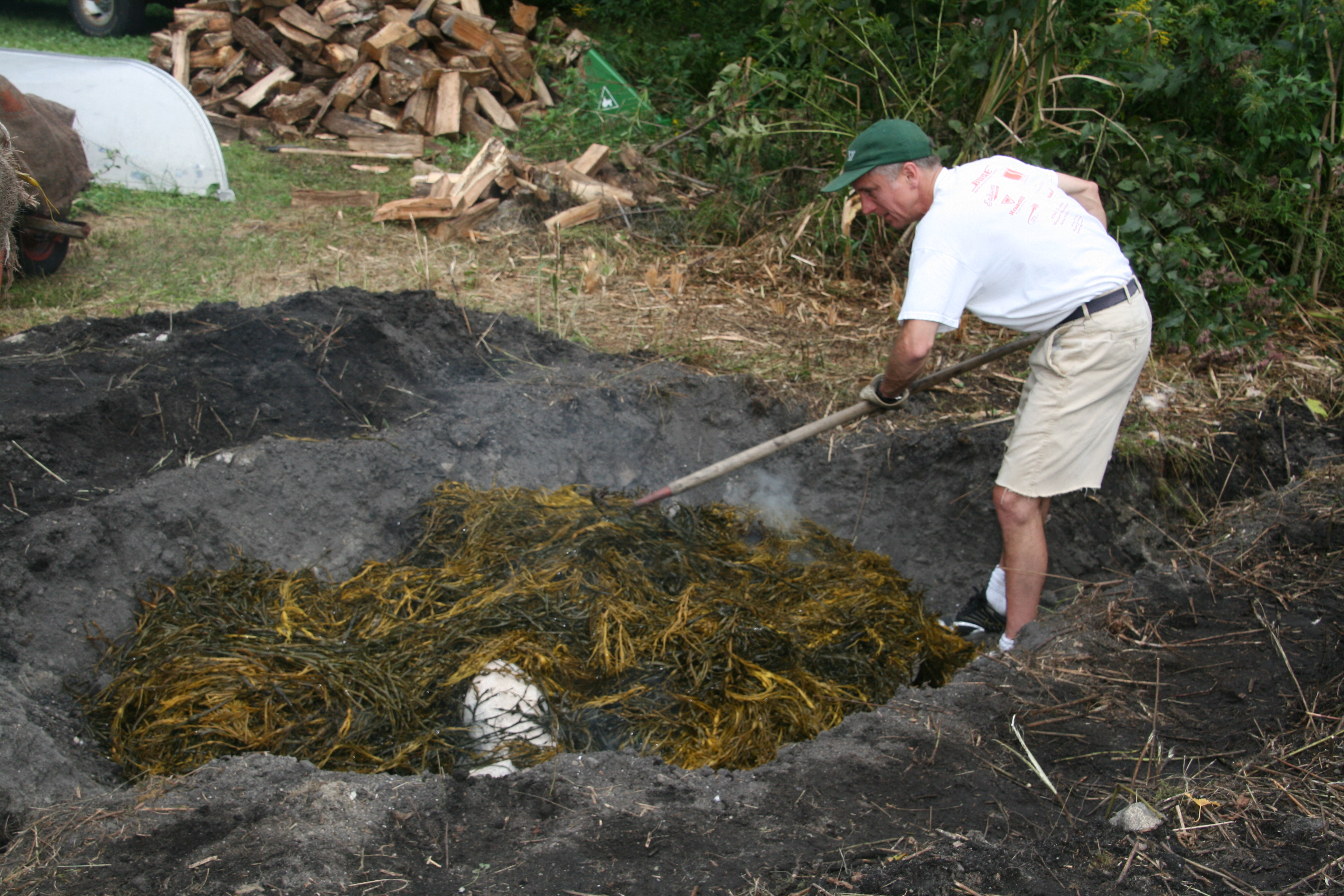
First you dig a big pit.

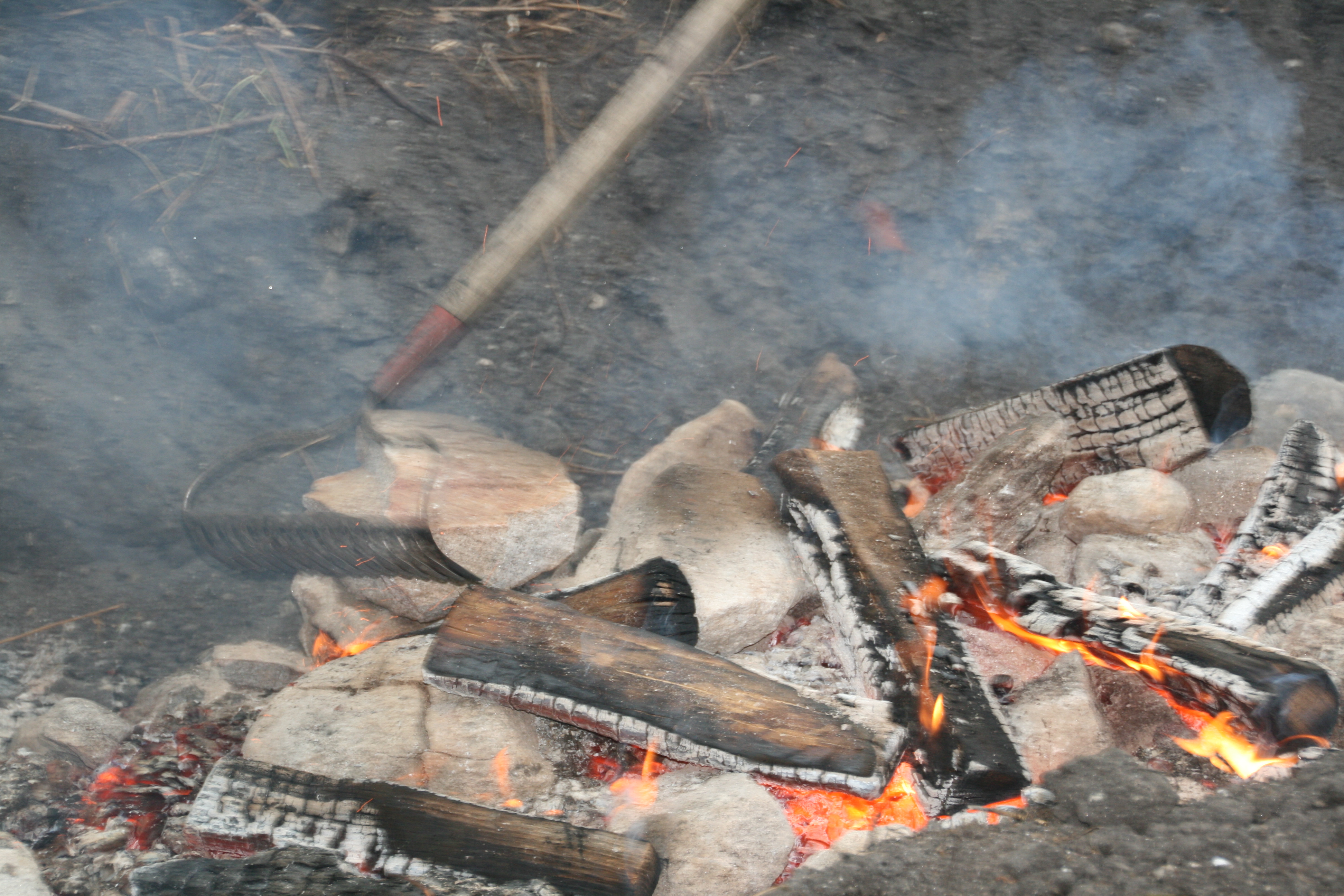
Next you add some large rocks, about the size of a basketball, along the bottom of the pit.  Then place wood on top of the rocks and  start a fire. The idea is to heat up the rocks so they are very, very hot.  This means the fire has to burn for several hours.

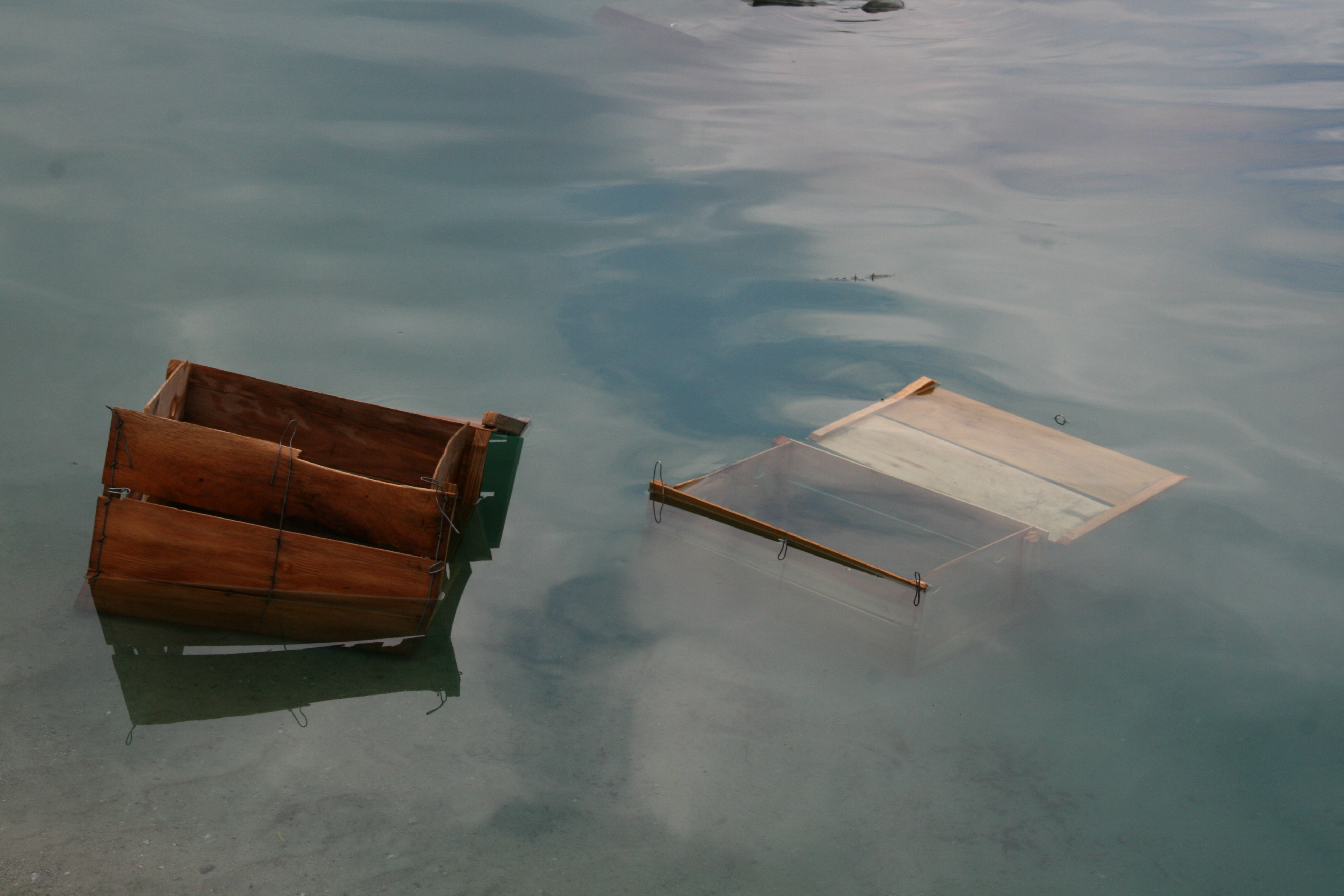
Meanwhile, soak the wooden baskets which will contain the lobsters so they won’t burn.

When the stones are good and hot, it’s time to start the cooking. Cover the entire pit with seaweed.

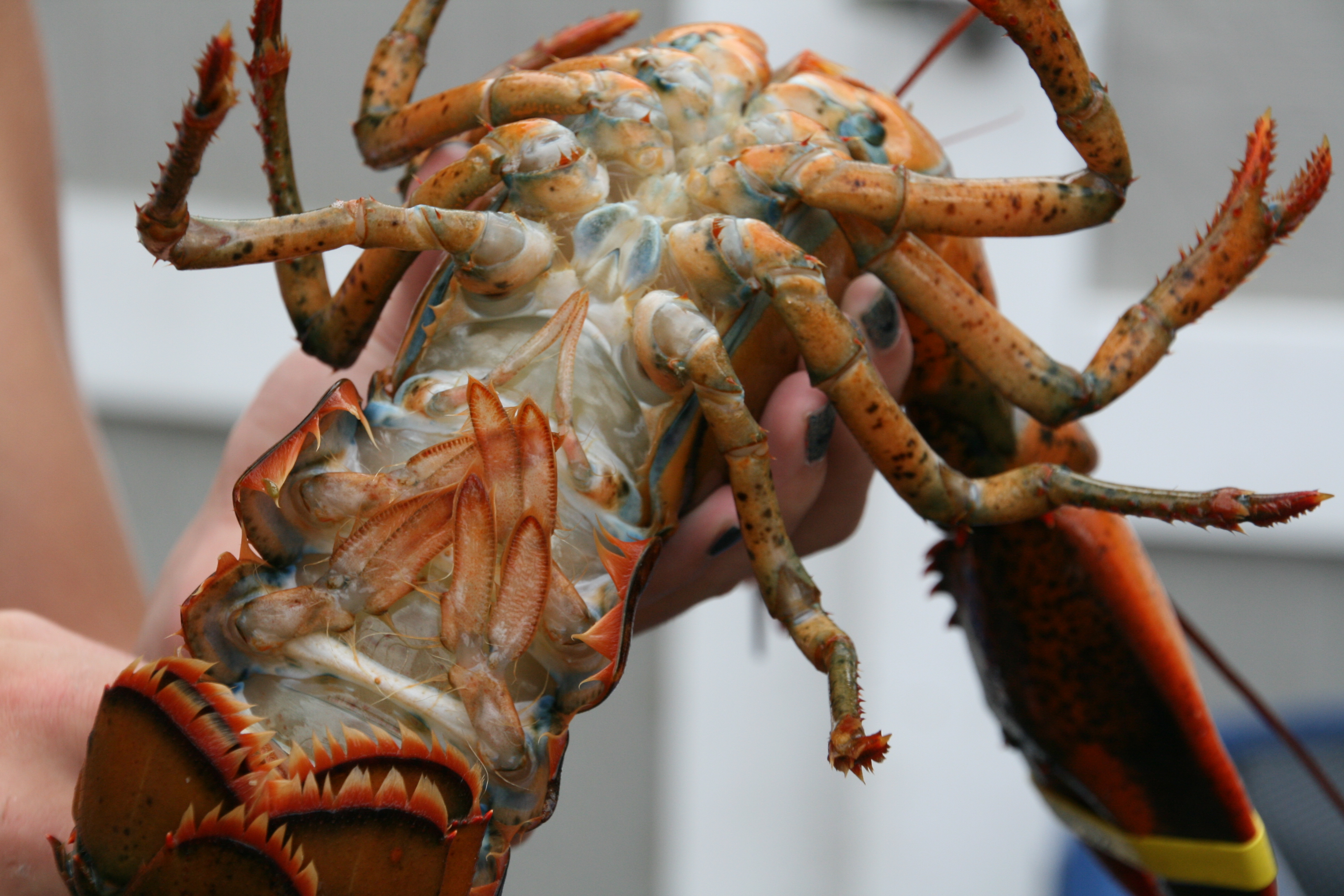
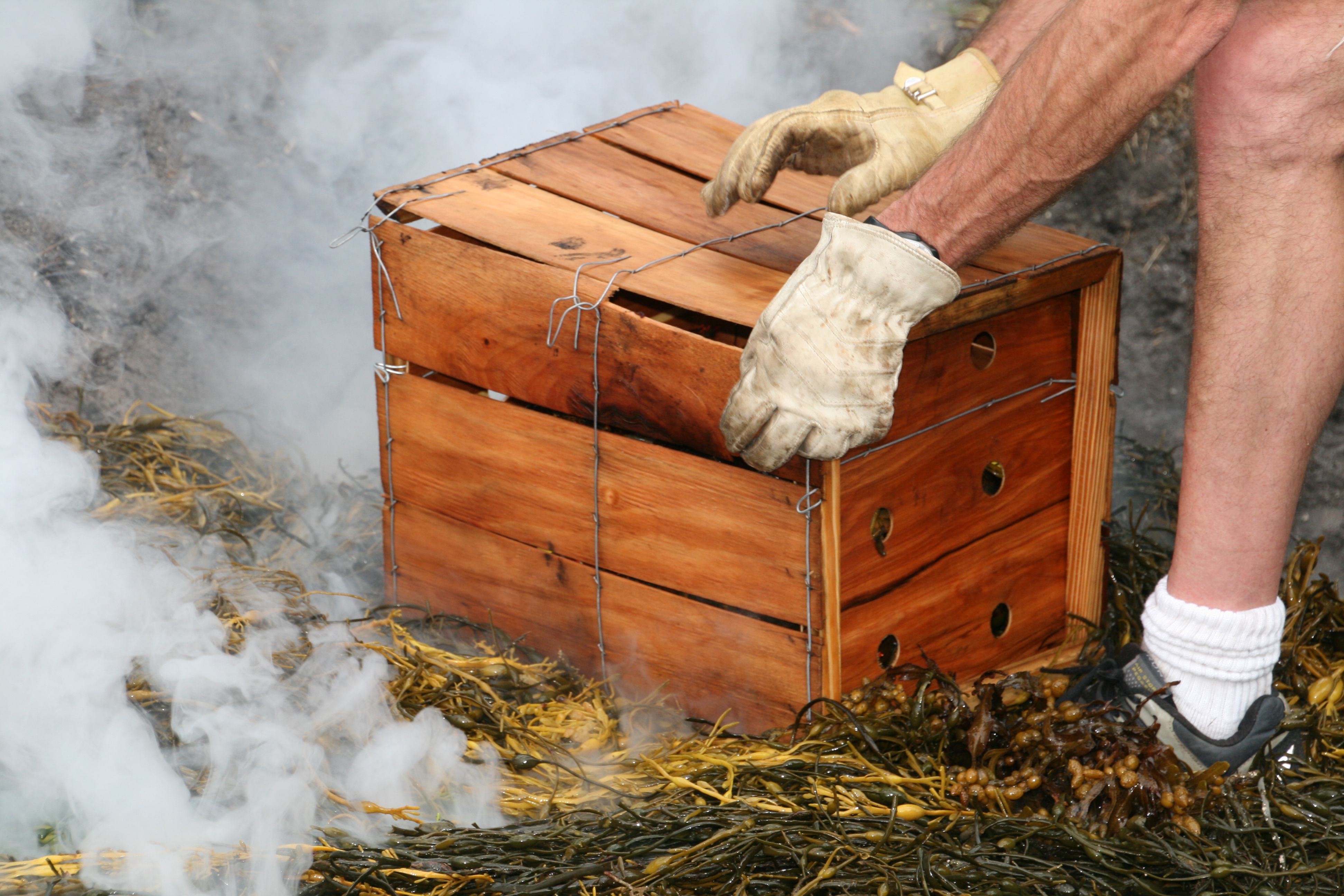
Add the live lobsters and steamers to the water soaked baskets and set them in the pit on top of the seaweed. Add potatoes or corn on the cob (in their husks) if desired, though in our experience, corn often takes on the flavor of the seaweed.

Cover the seaweed with one or two tarps to keep in the steam. And start counting.

According to our experts, it takes 47 minutes and 30 seconds to steam the lobsters.

Carefully, remove the tarps and uncover the baskets. The seafood is now ready to eat.

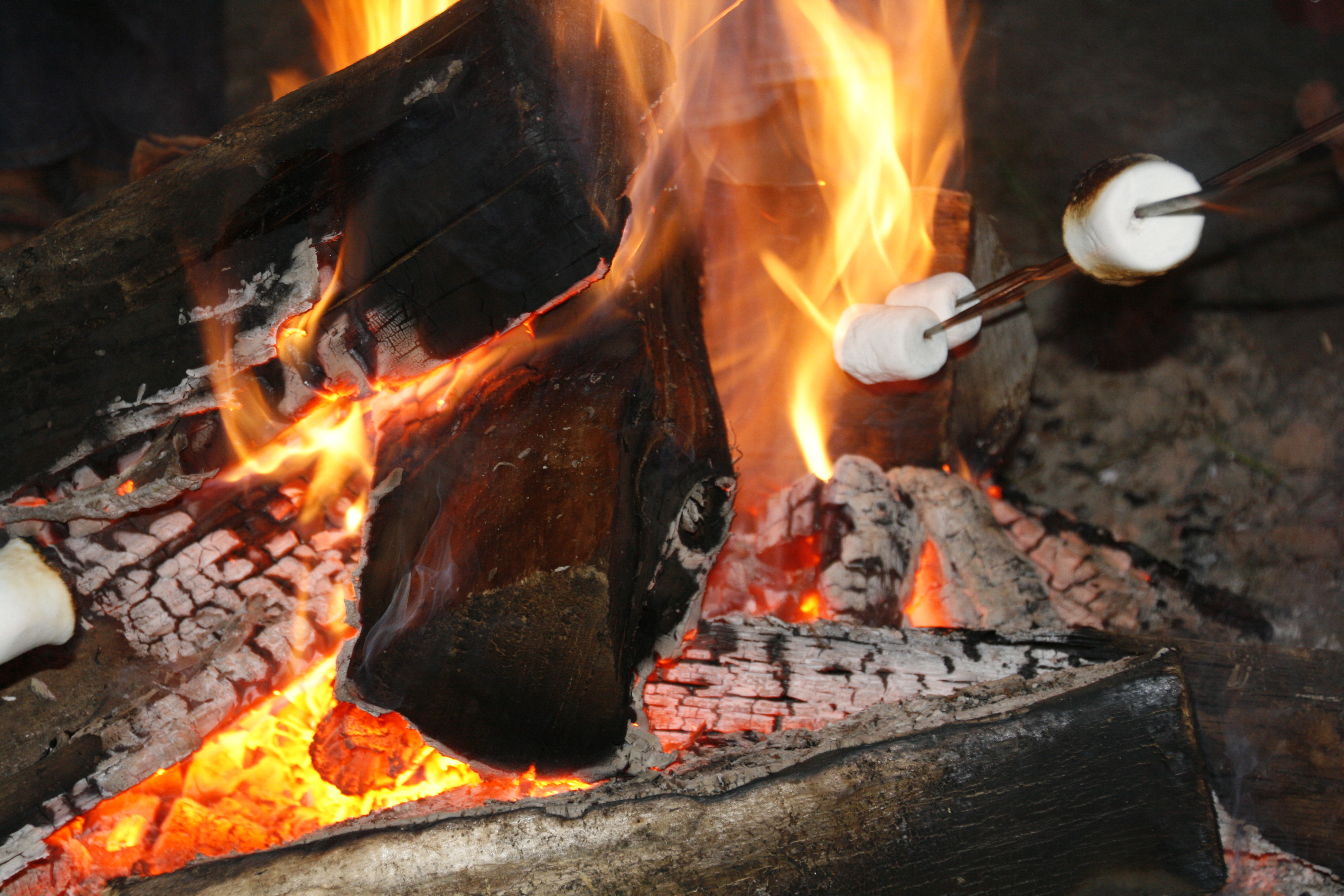
Be sure to serve the lobsters and steamers with melted butter, lemon, crackers and picks. Additional food items often include: potatoes, corn on the cob, clam chowder, corn bread, cole slaw or green salad. Serve with the beverage of your choice. For dessert, we like to follow our lobster with s’mores over a separate campfire (not over the pit!).

Enjoy!

Up, up, and away!

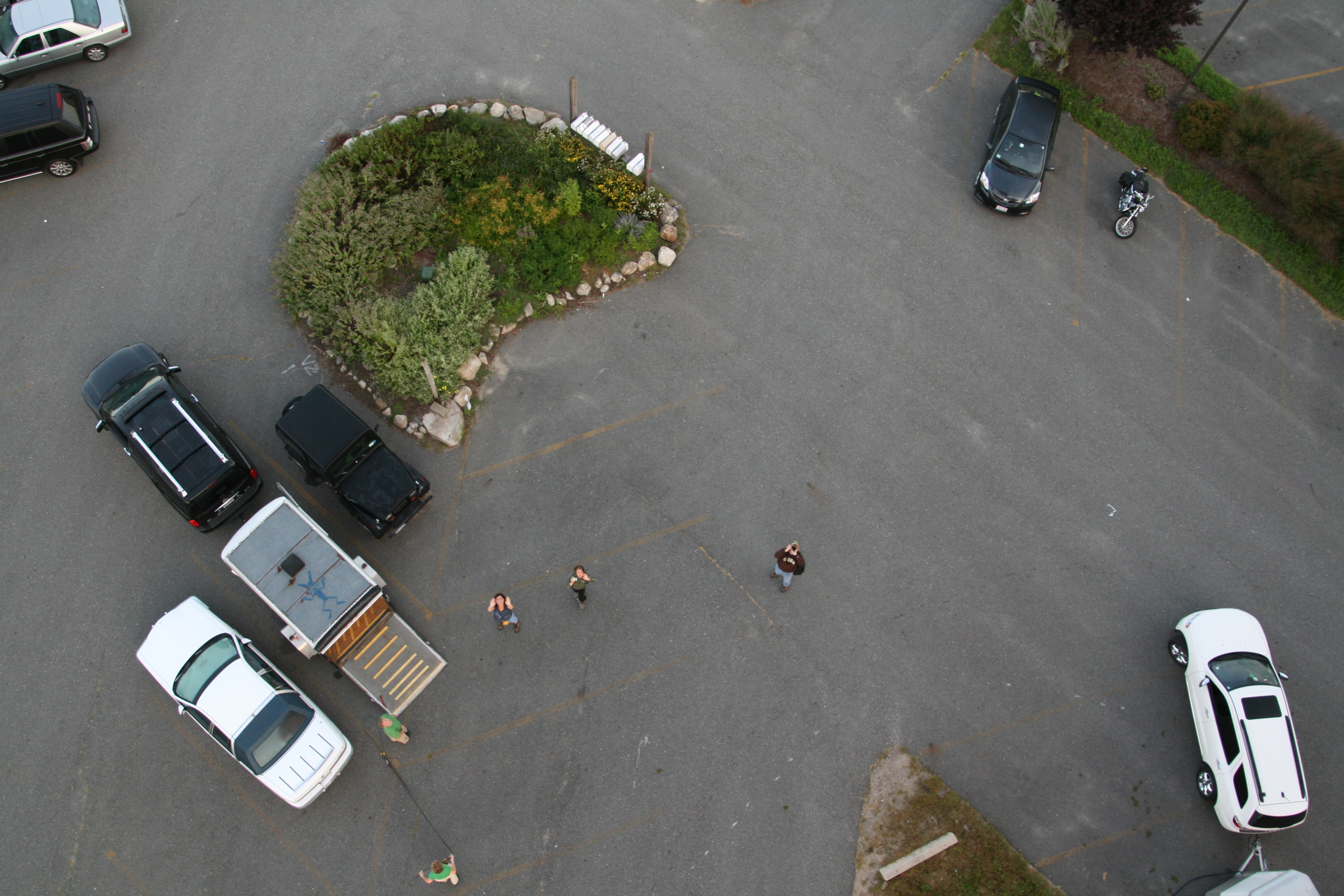
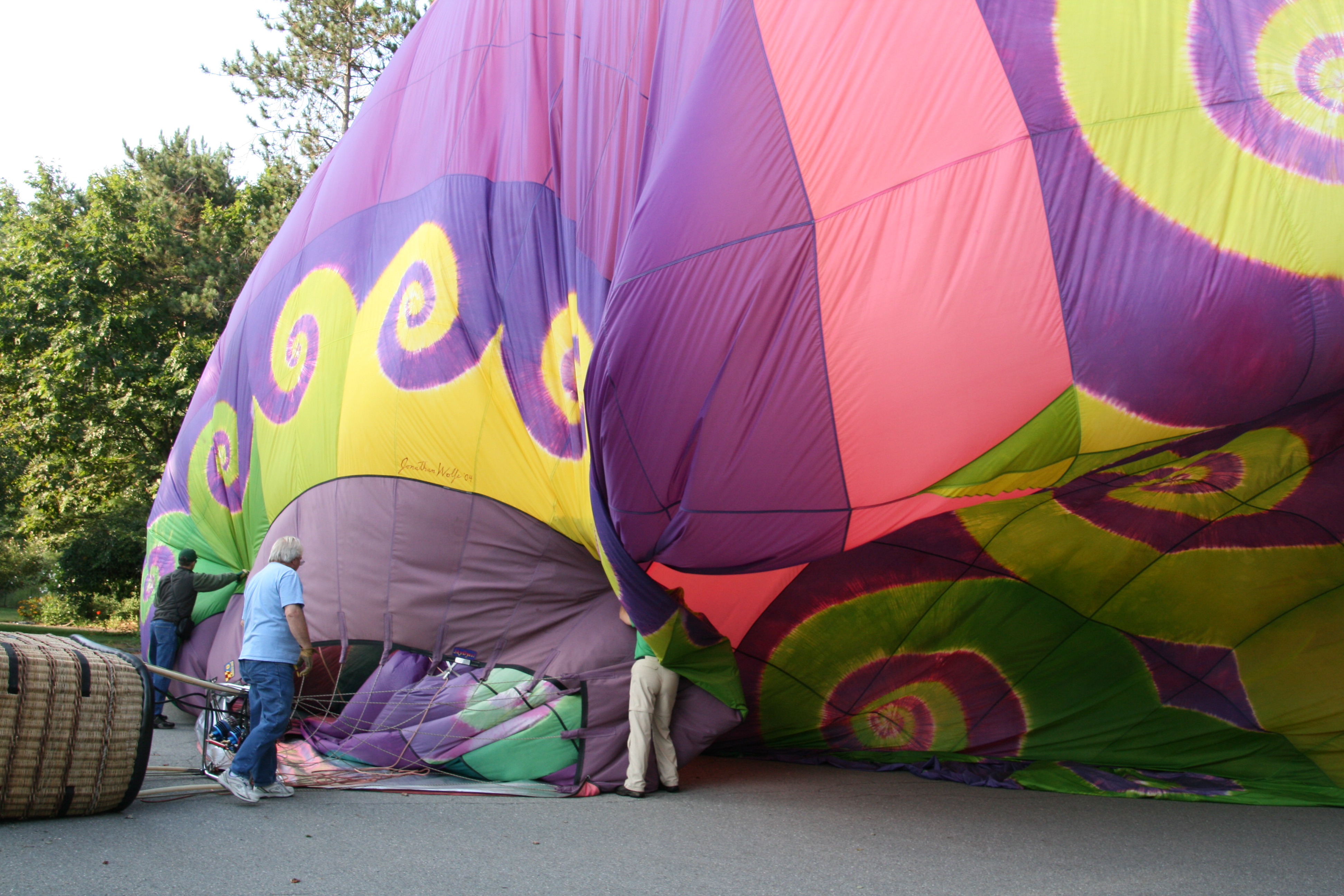
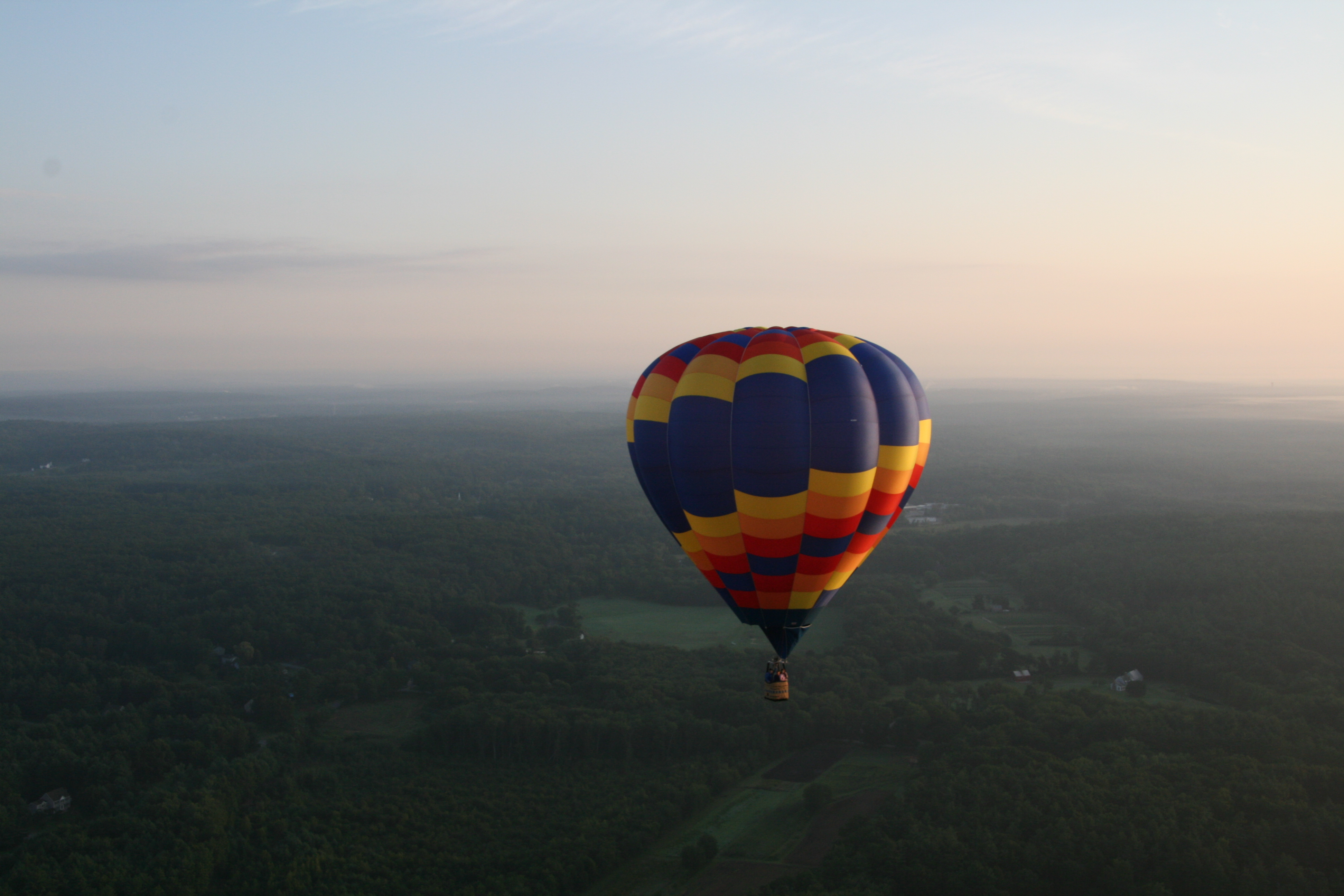
It’s 6 a.m. on a Sunday the end of August, and I am in one of two hot air balloons rising up over a small town in Massachusetts with the pilot, Rudi of Dragon Fire Balloon Adventures, my husband, and my teenage son.  We are in Lucy, one of Rudi’s two hot air balloons, this one featuring a tie dye design and formally called Lucy in the Sky with Diamonds.


The sun has just risen; the air is cool and still. So still, in fact, that at first we don’t go anywhere except straight up. The cars and planes and people get smaller and smaller as we rise to about 900 feet.

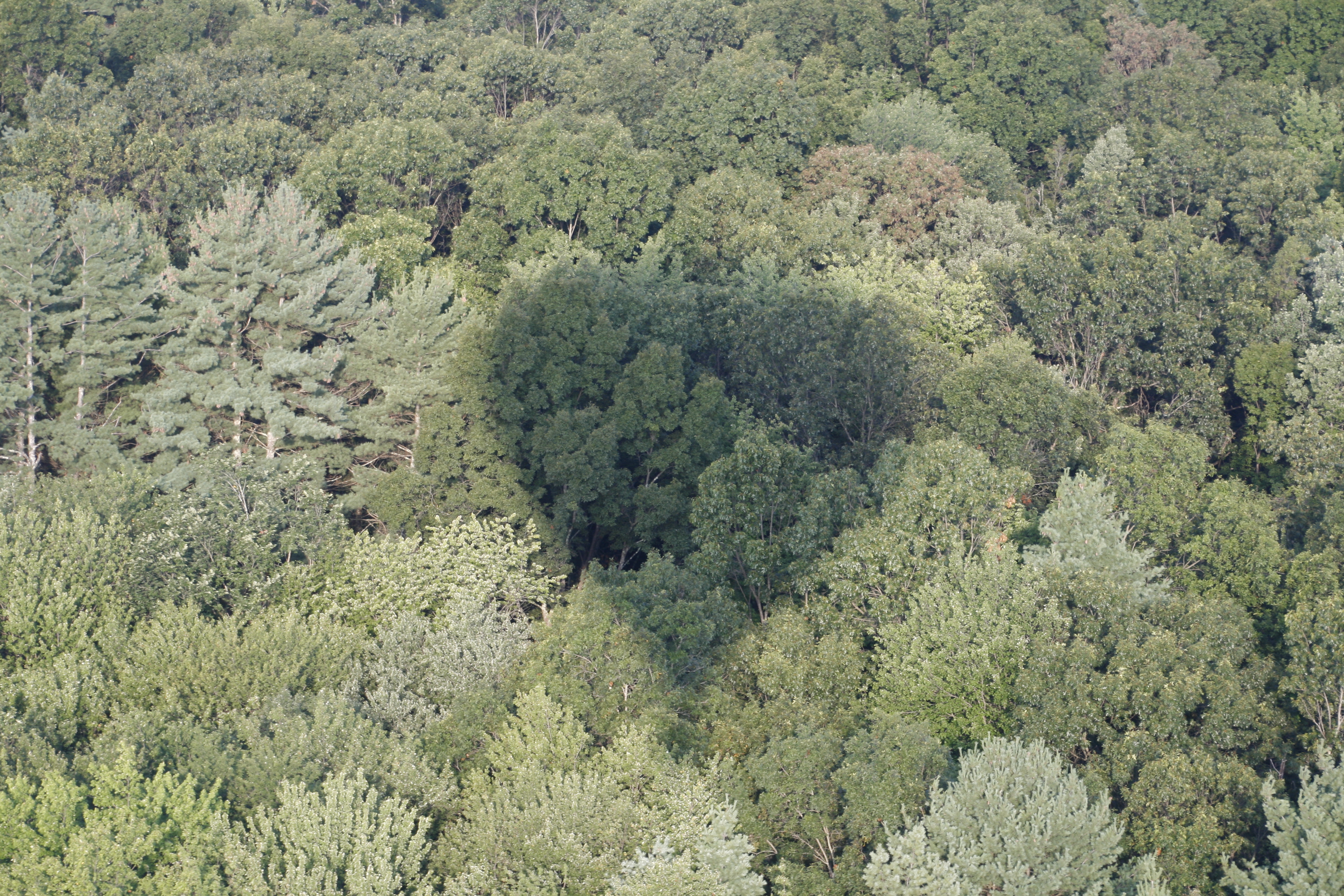
We can see beyond the airport to more trees and houses and hills in the distance. We watch as the other balloon moves further west while we hang out above the runway.

It is peaceful up here in the sky. There is no sound except for the noise of the burner and the occasional sounds of our voices.

Rudi expertly controls the hot air flow and lets us down a little, hoping to catch a breeze at a different altitude to move us away from the airport and beyond, and slowly we do move, now just above the trees and telephone wires, now just above the houses.

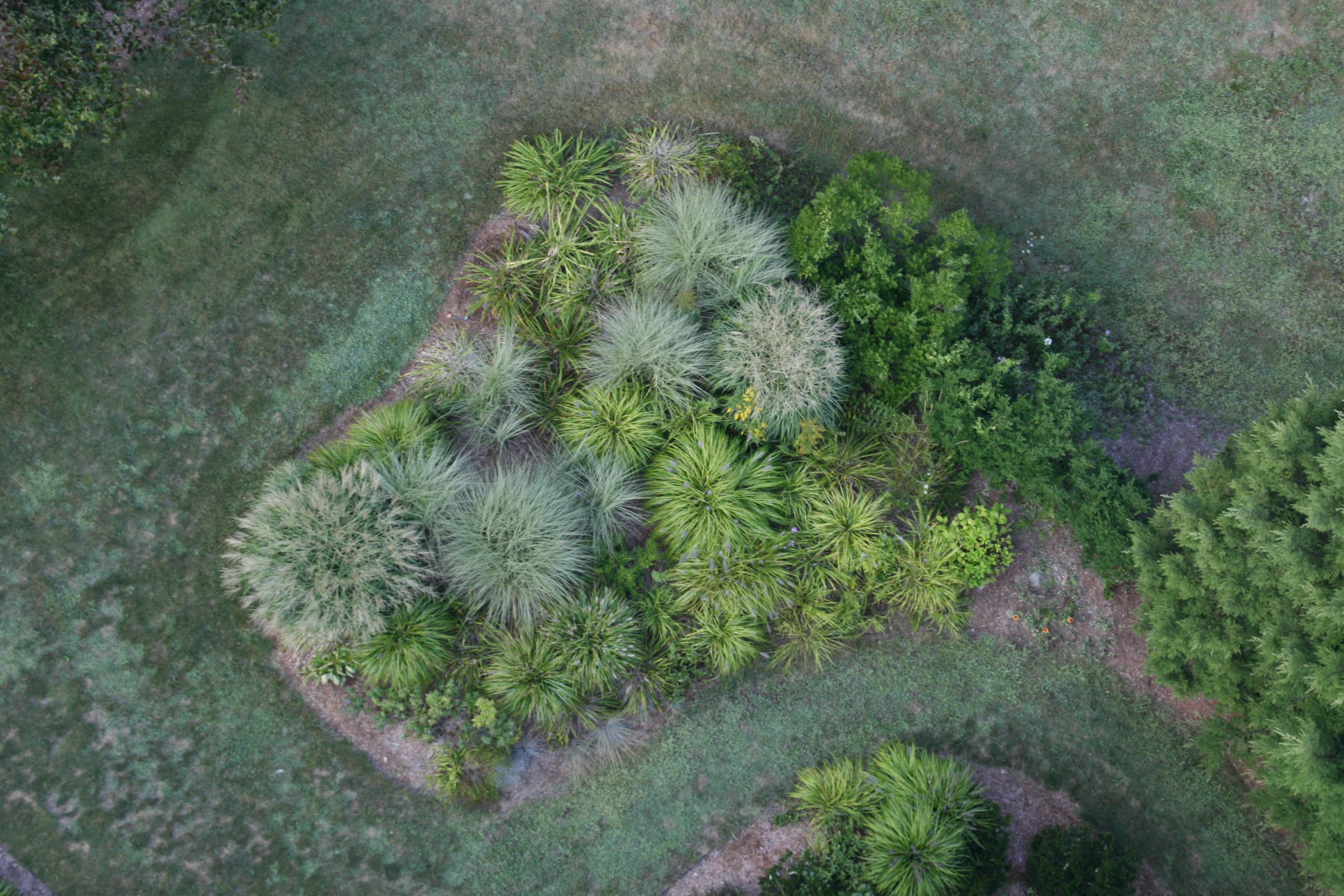
We check out the landscaping designs, the decks and patios and discover what’s hidden behind some of those houses.

We watch our reflection in a pond full of lilypads and touch down on a nearby road to change passengers. While the crew holds the basket, our teenage son gets out and our teenage daughter gets in.

And up we go again, followed by the chase vehicles, as we travel not as high but further with the wind.

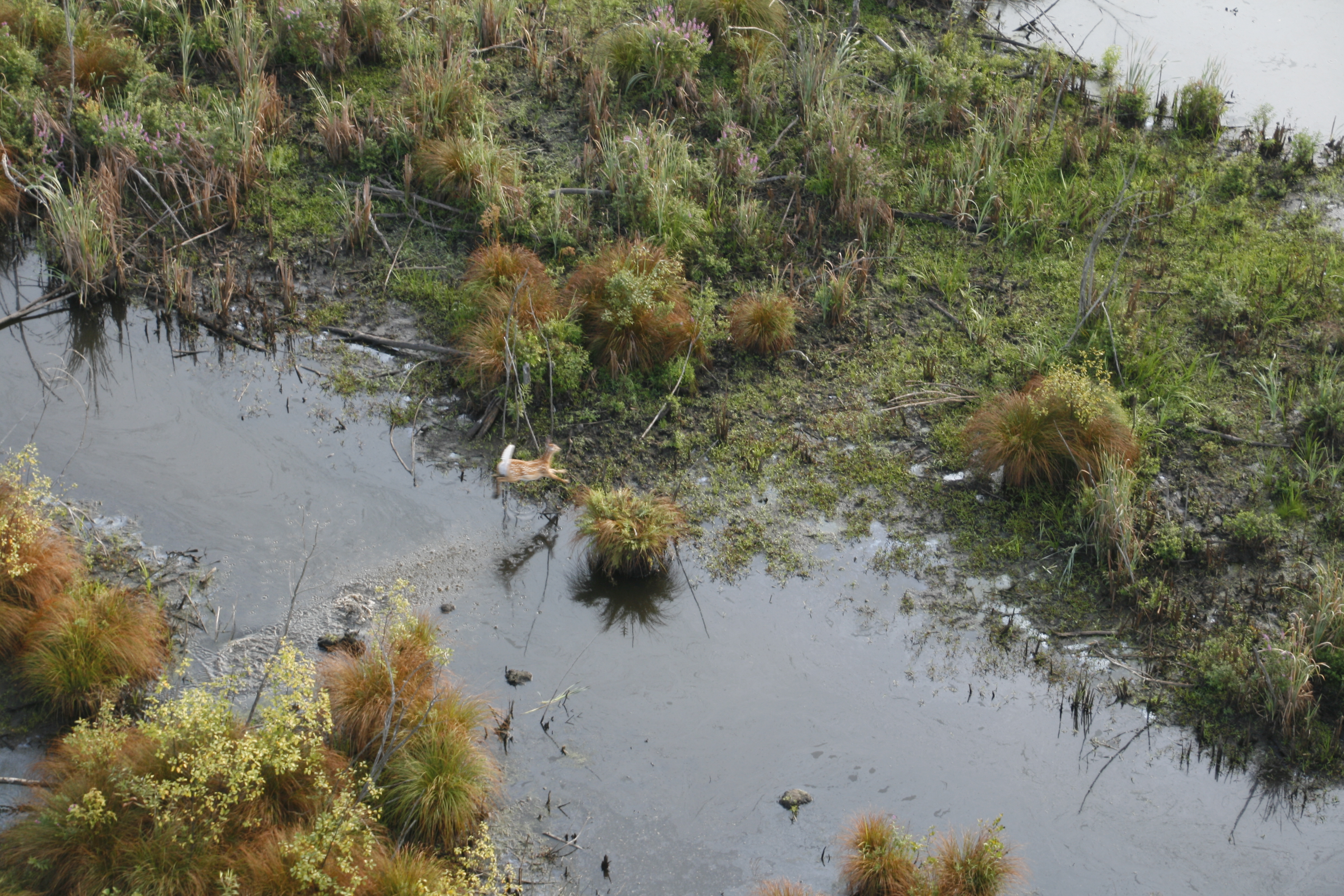
We see deer, startled by the inconsistent noise of the fire’s hot air.

We pass over conservation land and farm fields and more houses, finally landing in someone’s front yard at the end of a cul-de-sac.

As we wait for the chase vehicles to arrive with our crew, we notice that no one is home. The pool is covered, the shutters closed. They will miss the thrill of a hot air balloon in their front yard and the complimentary bottle of champagne.

We are watched by the neighbors as we help the crew pack up the balloon, quickly and efficiently, and head back to the airport where we join the other balloon’s crew and passengers for our own champagne.

To learn more about hot air balloons and how they work, click here.

Trip taken August 2012.

When Will We Get There?

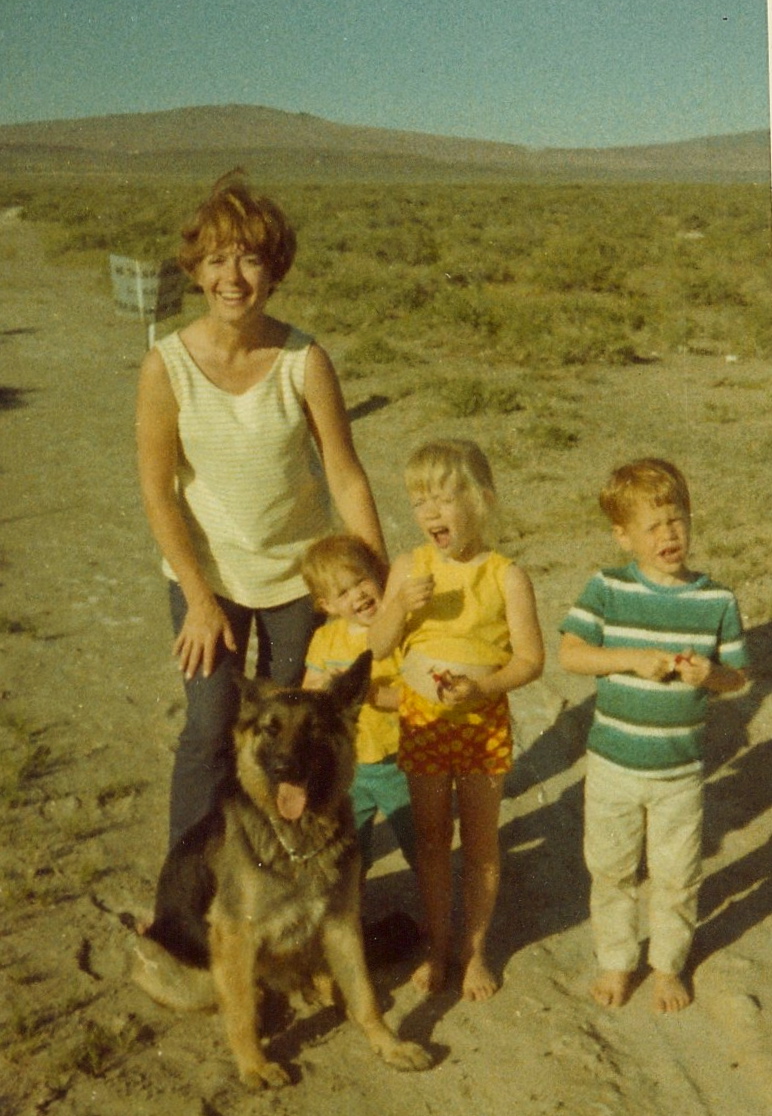
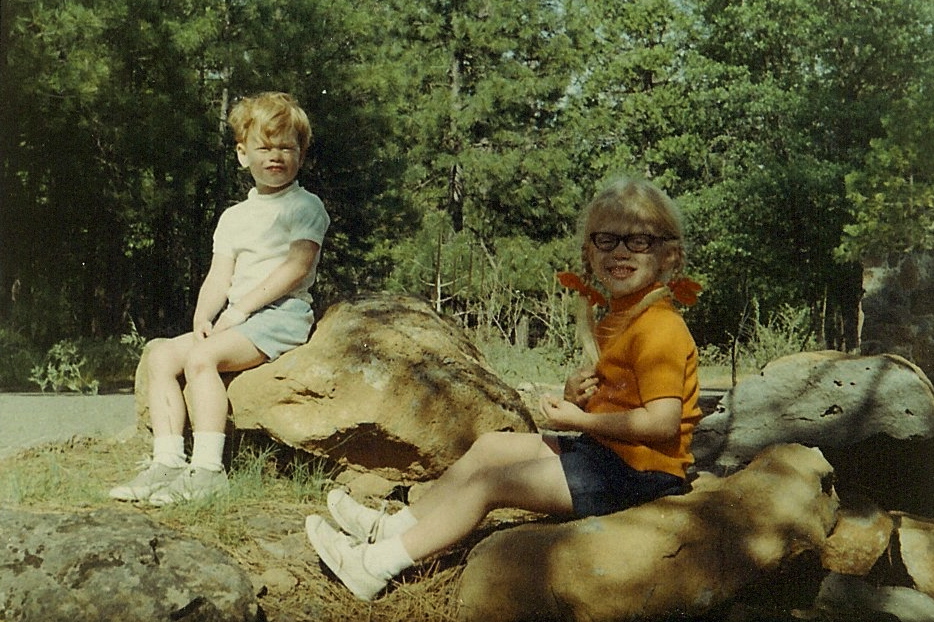
Squabbling in the back seat, wearing no seatbelts, our skin sticking to the vinyl seats of our station wagon, my brother, sister, and I kept asking our parents, “When will we get there?”

“It’s a mystery,” my dad wisely said, and our family weekend car trips became known as “Mystery Trips.”

Throughout the year, Dad perused the newspaper’s travel section and kept a file on unique and unusual destinations in California, Nevada, Utah, and Arizona. When it was time to pack for the trip, Dad gave Mom only enough information to pack the right clothes. We never knew where we were going until we arrived.

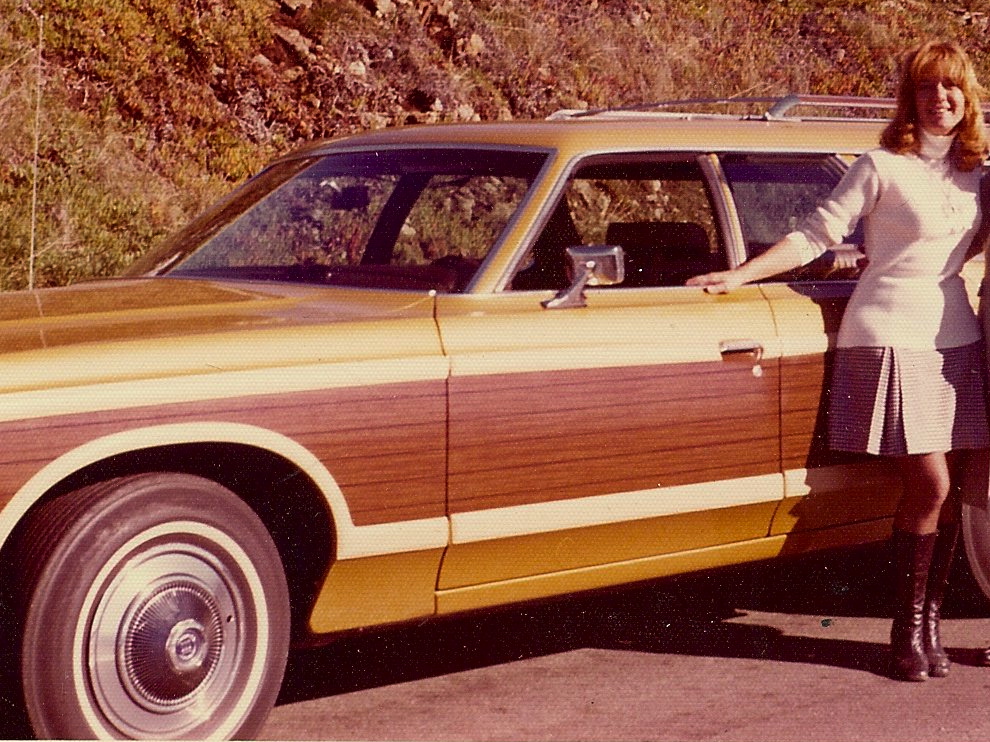
Equipped with a cooler full of potato, macaroni, and ambrosia salads, hot dogs and hard boiled eggs, our clothes in suitcases tied to the top of the car, we climbed into our gold and wood paneled Ford Country Squire, and eagerly awaited the first mystery of the weekend.

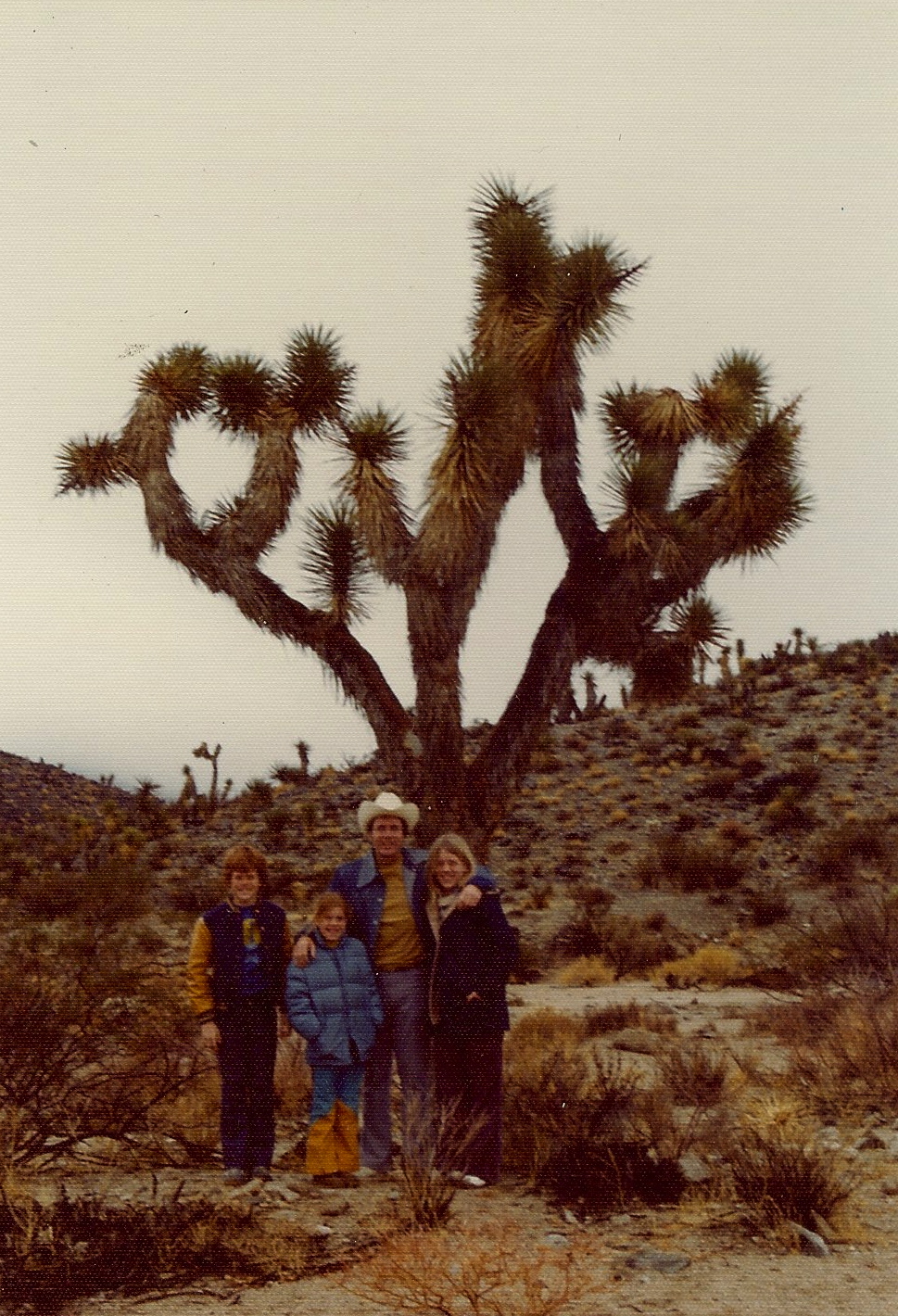
I remember the dry heat of Death Valley as we drove through the desert with no air conditioning. I remember the sounds of our dog’s nails as she slid across the metal floor of the far back seat of the car, Mom’s voice as she read aloud to Dad, my brother and sister’s giggles interspersed with the inevitable whines and accusations of sibling rivalry. We read and fought, completed Mad Libs, looked out the window, slept, or listened to Mom and Dad talk. There were no DVDs and no iPods.

Then we arrived. I remember visiting ghost towns, panning for gold and drinking sarsaparilla in Columbia State Park, finding bits of garnet outside Ely, Nevada, eating chocolate on a tour of Hershey Chocolate Factory, seeing elephants in Las Vegas, and peering over Hoover Dam. I remember my brother’s yells when he sat on a cactus and my mom’s disbelief when he told her he saw a rattlesnake right after she said to watch out for them. I remember waiting by the side of the highway in the Nevada desert at dusk while Dad walked to the nearest gas station for a gallon of gas.

I remember a crazy driver flying past us only to point out that one of our suitcases had opened and was spilling clothes across the highway. I remember begging Dad to stay at a motel with a pool and passing no vacancy after no vacancy signs before we finally found a place to stay.

We ran and climbed in playgrounds in places like Winnemucca and Elko, Nevada. We ate all our meals in public parks (blackened hot dogs and salads) and always slept in a motel, one of us sneaking our dog into the room. We were up early the next morning, eating our breakfast of hard boiled eggs and bran muffins in our room or sometimes scrambled eggs and burnt toast over a campfire at a nearby park.

When I was in high school, we traded our station wagon in for a VW Camper Bus. Now we slept in the bus, my brother and I in the pop up tent, my sister on the hammock over the front seat, Mom and Dad in the back with the dog. We cooked fish my brother caught in a nearby stream on the camper’s stove and played cards around the table in the back.

The trips were no longer a mystery. We could read road signs and maps. We didn’t need to ask where we were going or how long it would be until we got there, whether it was to Yosemite, Yellowstone, South Dakota or off to college, and eventually we even helped to drive.

Happy Birthday, Dad! Thanks for all those mysteries.

The Scents of Northern California

The smells and scents of Northern California remind me I’m home, even though I haven’t lived there in over 20 years. I walk or run along the trails near Mount Tamalpais and the Pacific Ocean and breathe in.

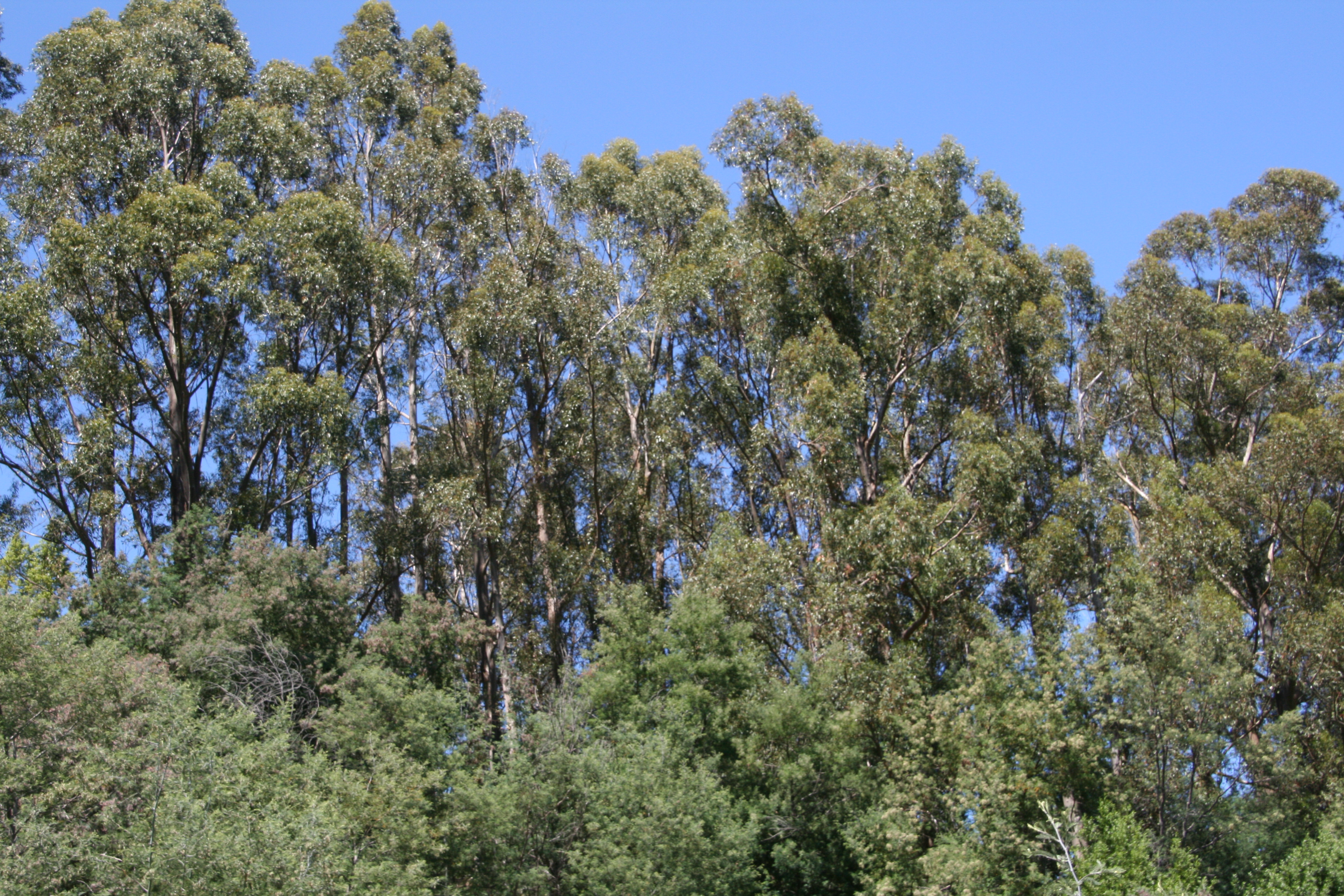
I smell the menthol of the eucalyptus tree, its tall branches swaying high in the wind.

I smell the licorice of the delicate anise bush and remember tasting its fine leaves as I waited for the school bus.

I smell the Mediterranean fragrance of the California Bay Laurel as its leaves surround me on the trail.
I smell the woodsy dampness of the Redwood tree as I am dwarfed by its statuesque grace.

These scents surround me on Mount Tam, in Muir Woods, and in Baltimore Canyon, all just north of San Francisco and the Golden Gate Bridge, and I breathe in.

Trip taken June 2012.

A Day in DC – Part 3

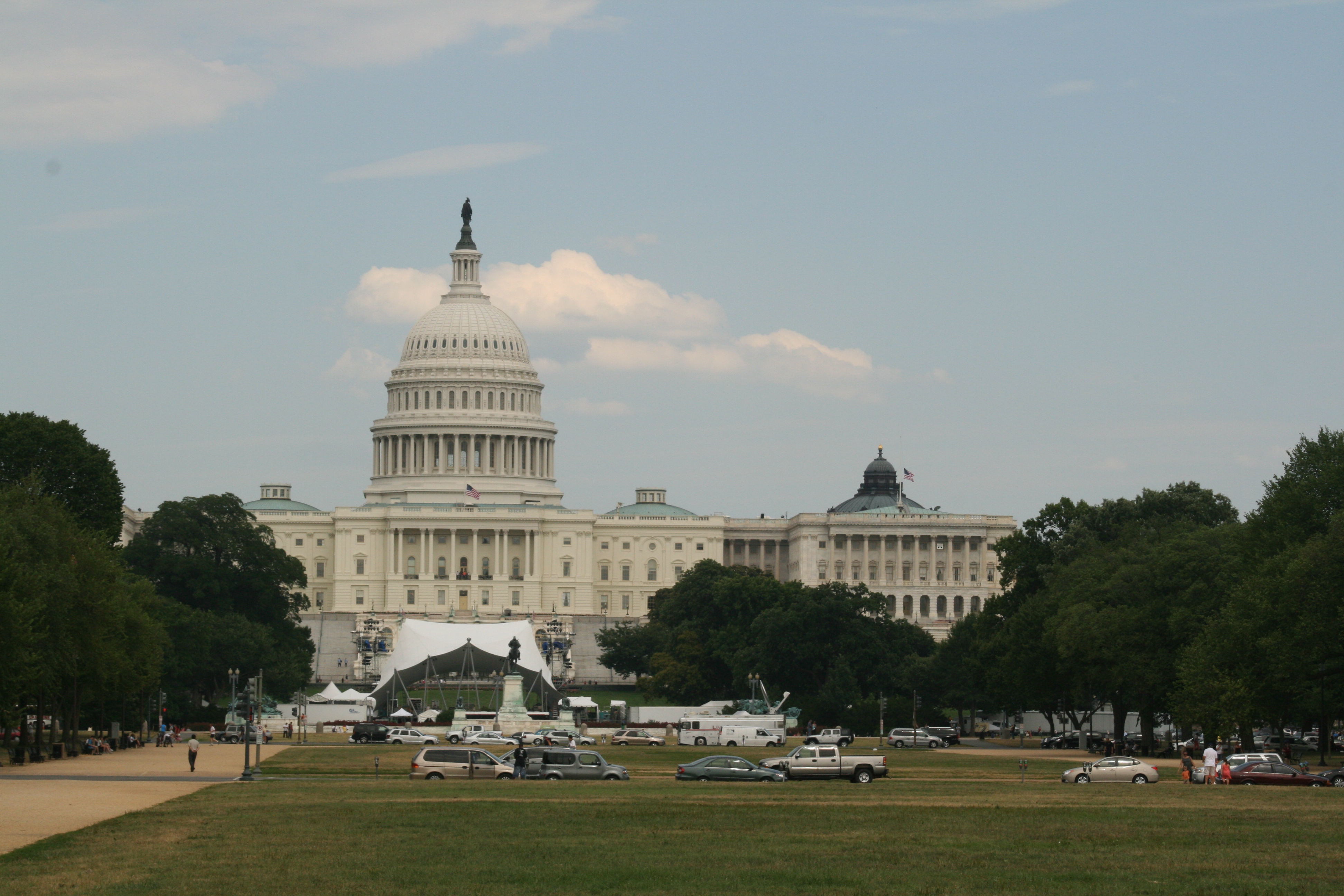
As we walked back to Union Station and got on the Metro, we marveled at our day. How much more exciting could it have been? Yes, we missed the Library of Congress and visiting the House Gallery, but we’d come back another day. We’d experienced history and seen our Congress at work. (See posts A Day in DC – Part 1 and A Day in DC – Part 2.)

I sat on the Metro reading the Senate pamphlet, waiting for our stop, when the conductor’s voice said, “Due to police activity, the doors will be locked at the Silver Spring stop. If this is your stop, please be patient for the doors to be opened.” While I continued reading (completely oblivious), the rest of my family watched as the train stopped, the police opened the door with keys and entered the train, pulled three young men off the train, then came back on to get one more.

Outside my window, I could see two policemen handcuffing four youths then watched as one of the cops reached down to pick a gun up off the ground and put it in his pocket (instead of his holster). After a few minutes, the police were gone, the doors opened to let people out and we continued to the next stop, our final destination. It wasn’t until we were off the train that I learned that the men who had been arrested, the ones with a gun, had been on our car, only a few feet from each one of us.

We never learned any details about the arrest, and the rest of our experience in DC was typically touristy with trips to Georgetown, Arlington Cemetery, Mount Vernon and Alexandria. But I don’t think any of us will ever forget our action packed day in DC.

Trip taken July 2010.