Getting Gas

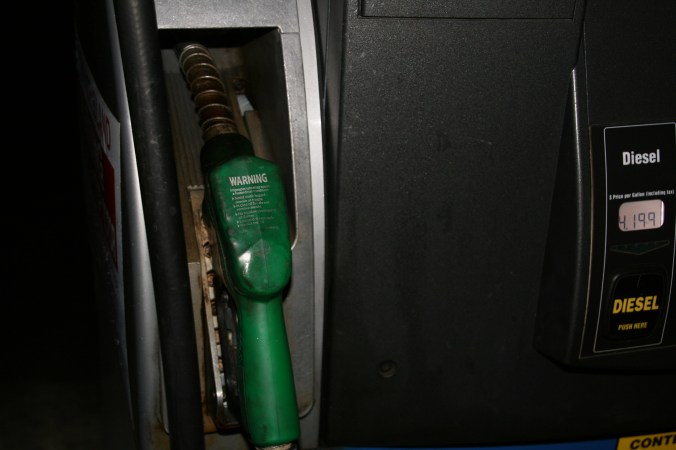
The gas station was bright, the lights were on, but when I slid my credit card through the gas pump’s slot, an error message read, “Pump stopped.” Again and again, the words flashed at me, “Pump stopped.” It was after 9 p.m., but the gas station was just off the highway. It must be open. With only a quarter of a tank, and a rental car to return and a plane to catch, we needed gas.

_MG_0767

A car hurried into the station, and I watched the incredulous faces as the driver received the same nonsensical message. The lights were on, why weren’t the pumps working?

_MG_0764

When a mop carrying, curly haired woman moved up and down beyond the window, I drove out of the station’s parking lot, stopping at the nearby intersection, waiting for the light to change.

“The trunk is open!” my son yelled. With the car in park and the hazards on, I ran around the car, closing the trunk and the gas cap cover all before the green arrow signaled it was our turn to move. I turned the key. Nothing. The car wouldn’t start; I tried again. Nothing. Glancing in the rear view mirror, I was relieved to find no car behind me in the left turn only lane. I paused, waited a few seconds and tried again. This time the car started much to all of our relief. We turned left and onto the freeway.

Continuing south towards the city, I had an idea. Not far over the hill, lights blazed and cars turned. The gas price was low and, more important, the station was definitely open.

Being careful to pop only the gas cap and not the trunk this time, I swiped my credit card again and again. Another message flashed at me. “Card declined.” I tried another credit card. “Card declined.” Somewhat oblivious to the lights and noise, I dodged the incoming and outgoing cars and ran to the pay window. A man sat inside the locked, brightly lit store, his mouth camouflaged and muffled by a speaker. “You need to pay with cash,” he said. I ran back to the car and tried again to pump the gas. Nothing.

Back at the window, the man clarified, “You need to pay first.” But this is a rental car and I need to fill the tank and I have no idea how much gas it will take, I said. “I’ll give you change,” he responded.

Running back to the car, making sure not to make eye contact with anyone, knowing I likely looked like a crazy woman, I grabbed my wallet, found $40 in cash, ran back to the window and gave him the money. This time, the pump worked. I filled the tank and ran back to the window for my $4 in change.
IMG_0777

Several miles later, we neared the airport. The gas gauge still read full, but the minutes before our flight had decreased significantly. Knowing there was a chance the rental car employee would charge us double or triple for that extra gallon of gas, I decided to risk it. Who knew if there were any more gas stations open? And even if there were, I was out of cash. I knew from experience that gas stations near the San Francisco airport are few and far between.

After taking a wrong turn and driving too far to the rental car return, I noticed the gas needle had moved. Would we be charged? We emptied the car, scrambling to get organized, and I gave the agent the keys. Less than a minute later, he handed me the receipt with a smile. The total was zero. No extra charge. We made it through security and to the gate just as the plane was boarding. Next time I’ll add an extra half hour before flight time.

Trip taken April 2009.

How Clean Are Those Motel Sheets?

After 5 nights of camping in Acadia National Park, we spontaneously decided to spend one more night in Bar Harbor, the touristy, trendy town abutting the park. “Spider Web,” an Agatha Christy mystery, was playing at the local theater, and a room was available at a simple motel on the main strip. We left our luggage in the room, ate a quick dinner and headed to the theater where local talent entertained and exceeded our expectations.

It was late when we returned to the motel. With three beds, two doubles and a twin, the room was perfect for our family of four. As we took turns brushing our teeth and getting ready for bed, it was my son who discovered something first. “There’s an ear plug in my bed!” he exclaimed. No doubt about it. That was an ear plug. And it wasn’t brand new.

I turned back the covers on my bed. Human hair laced my pillow and crumbs added texture to the cotton sheets. My daughter found additional hairs on her bed as well.

Ewwww! How could we sleep in these sheets? We contemplated getting our sleeping bags from the car but reminded ourselves we were paying $100 for the privilege of staying here.

By now it was 11:30 p.m., but my husband left to wake the owners. Living in a small house connected to the motel, the owners hadn’t yet gone to bed and when told about the condition of the sheets were suitably mortified and blamed it on the cleaning service. Although they offered to make the bed themselves, my husband said no thank you. He just asked for the sheets since it was late, and we were all in our pajamas.

Two years later, we decided to stay in one of those places with single room log cabins while driving up to Vermont. Breakfast was included at this good size lodging, complete with a pool, playground and fire pit. With our own front porch and a sitting area, we discovered games and books in our cabin in addition to the usual bed and bath. But as we got into bed, I turned back my sheet in horror. A black hair lay diagonally across the pillow case, and another one on the light blue sheet below.

After a trip to the office for clean sheets, we decided the dryer must be to blame. Although we enjoyed staying at these privately owned motels, it will be chain motels or hotels for us in the future, complete with industrial size dryers and, we hope, no extraneous human hair.

Trips taken 2007 and 2009.
Hanging Out at Punkin Chunkin

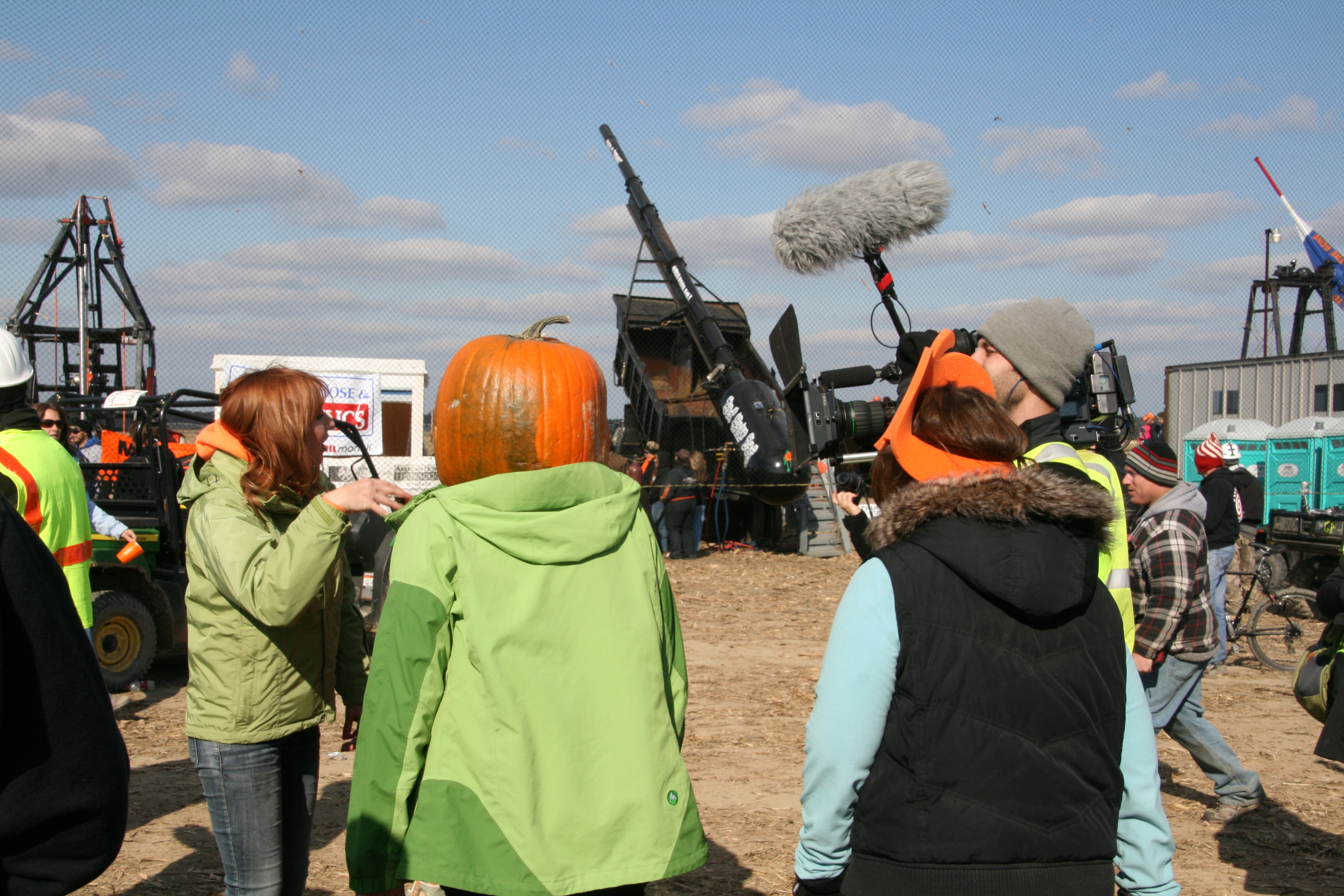
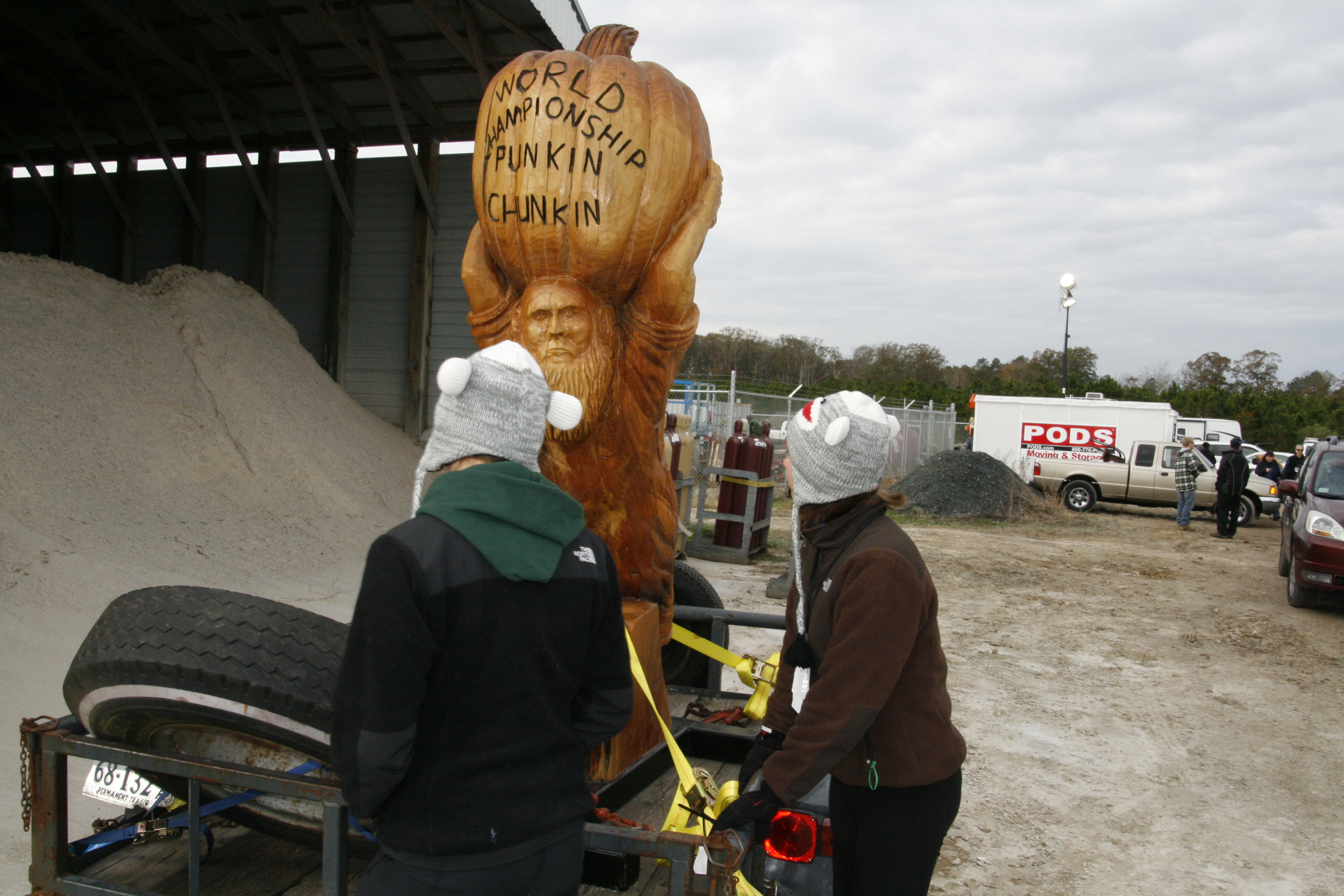
When we weren’t watching the machines, we were watching the people, on ATVs and golf carts, on couches on top of pickup trucks, wearing orange and black, some with real pumpkins on top of their heads.

We caught glimpses of Kari, Tory, and Grant from MythBusters interviewing people for the Science show on Punkin Chunkin.

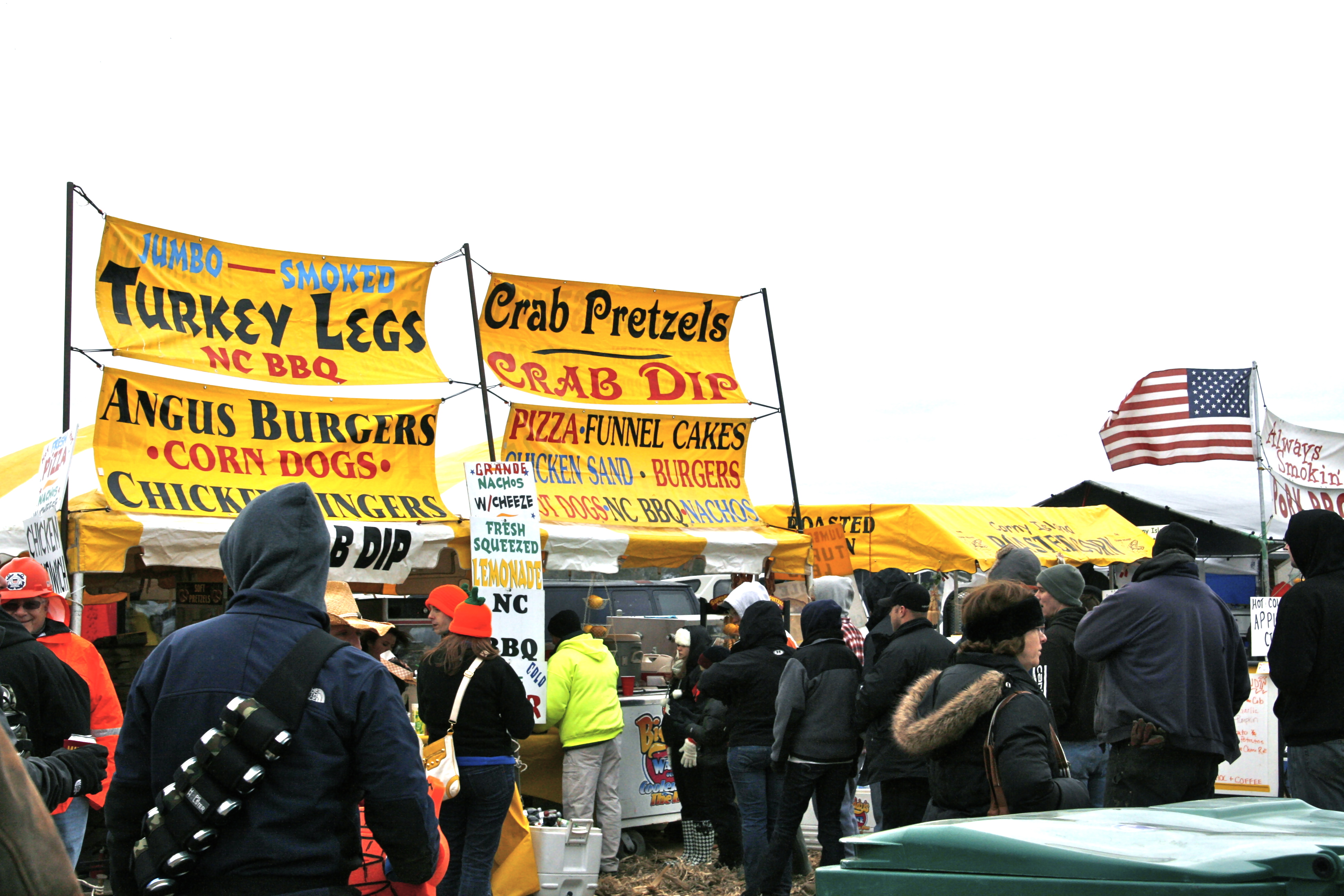
We perused the many booths along the Midway, bought mittens and apple cider, tasted hot sauce and BBQ sauce, and ate pulled pork and crabcakes, funnel cakes and apple pie.

We left the Punkin Chunkin after sunset, tired and cold but ready to return next year to Bridgeport, Delaware, for another 3 days of competition, people watching, and fun.

Trip taken November 2012.

Checking Out the Big Guns

When we weren’t getting ready to launch a pumpkin at Punkin Chunkin, our team was visiting with other teams in the 15 divisions, checking out their machines (catapults, trebuchets, air cannons), watching their launches, and making notes for next year. The competitors were friendly and open, everyone eager to show off their machines and to add a word of insight or advice.

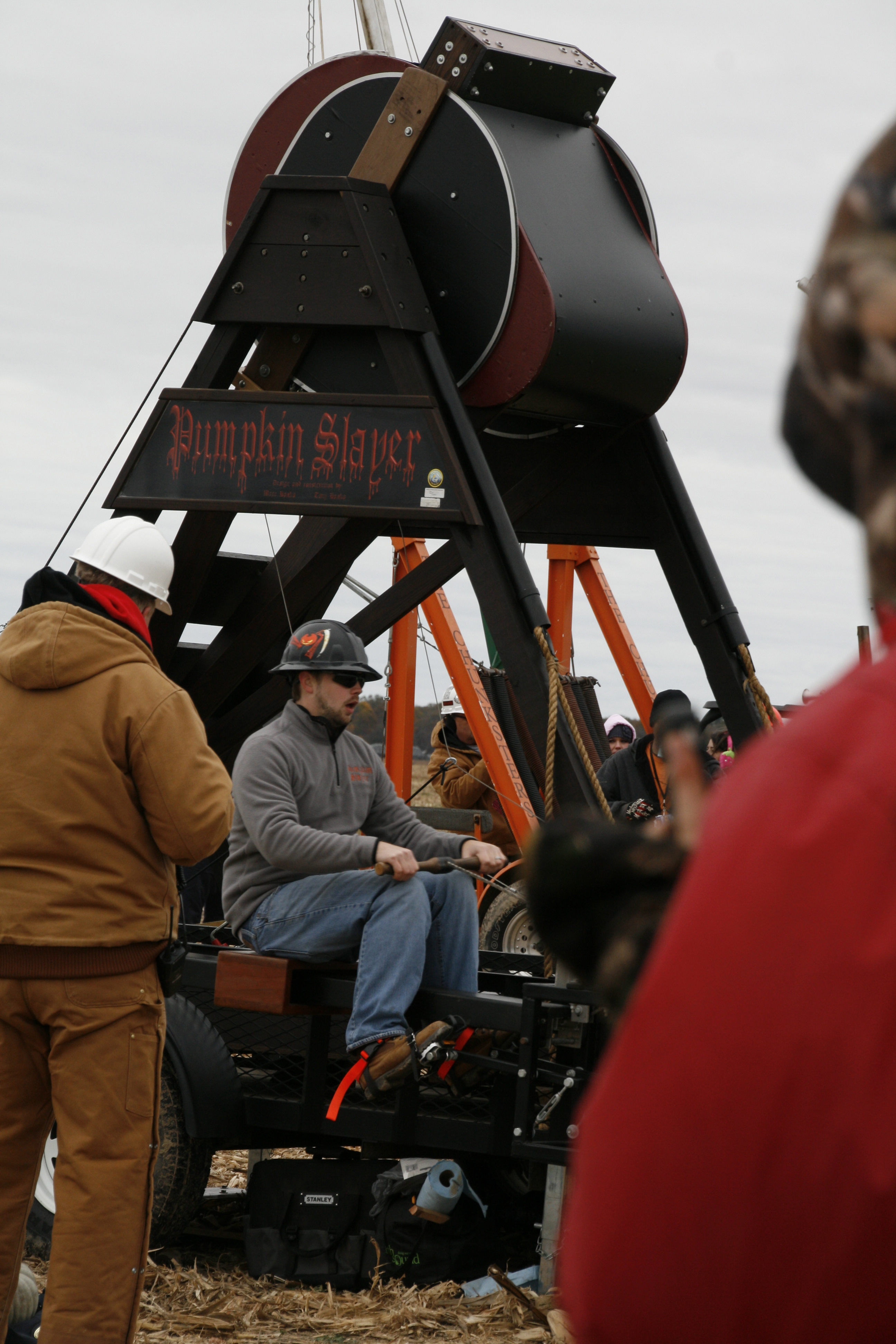
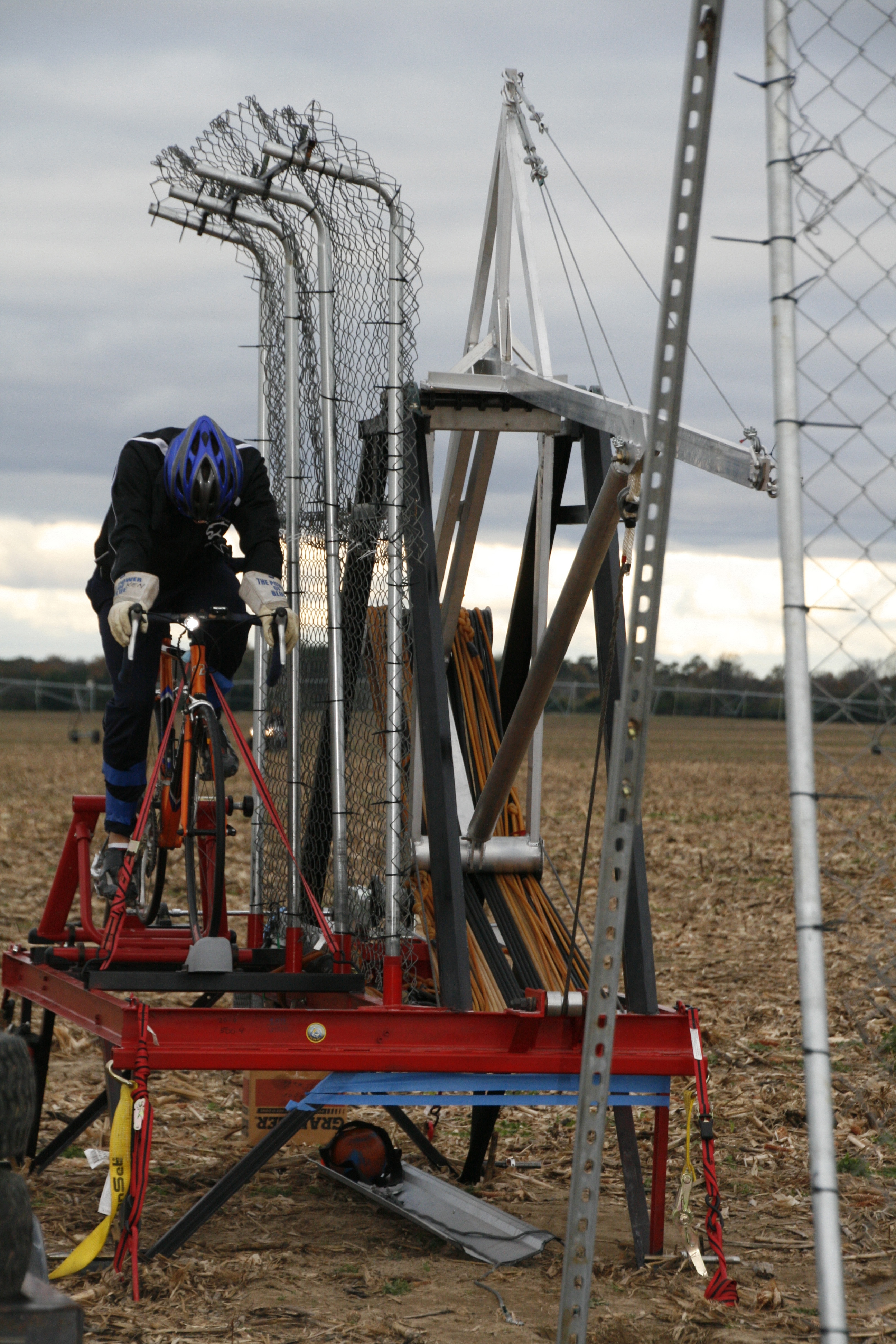
We watched the various methods of human power used on some of the machines (hand crank, bicycle, rowing machine, even climbing a hamster type wheel).

We checked out Pumpkin Slayer and watched the machine shoot its pumpkin 1283 feet in the Adult Human Powered Division (decent but less than the world record it set in 2009 with a chunk of 1984 feet) and watched the Smokin Lamas set a new world record with their first chunk (1586 feet) in the Adult Centrifugal Human Powered Division.

We marveled at Inertia II, a centrifugal machine. After learning how its machine works, we watched as Inertia II threw its last pumpkin 2,688 feet, just 49 feet shy of the adult centrifugal world record set in 2006.

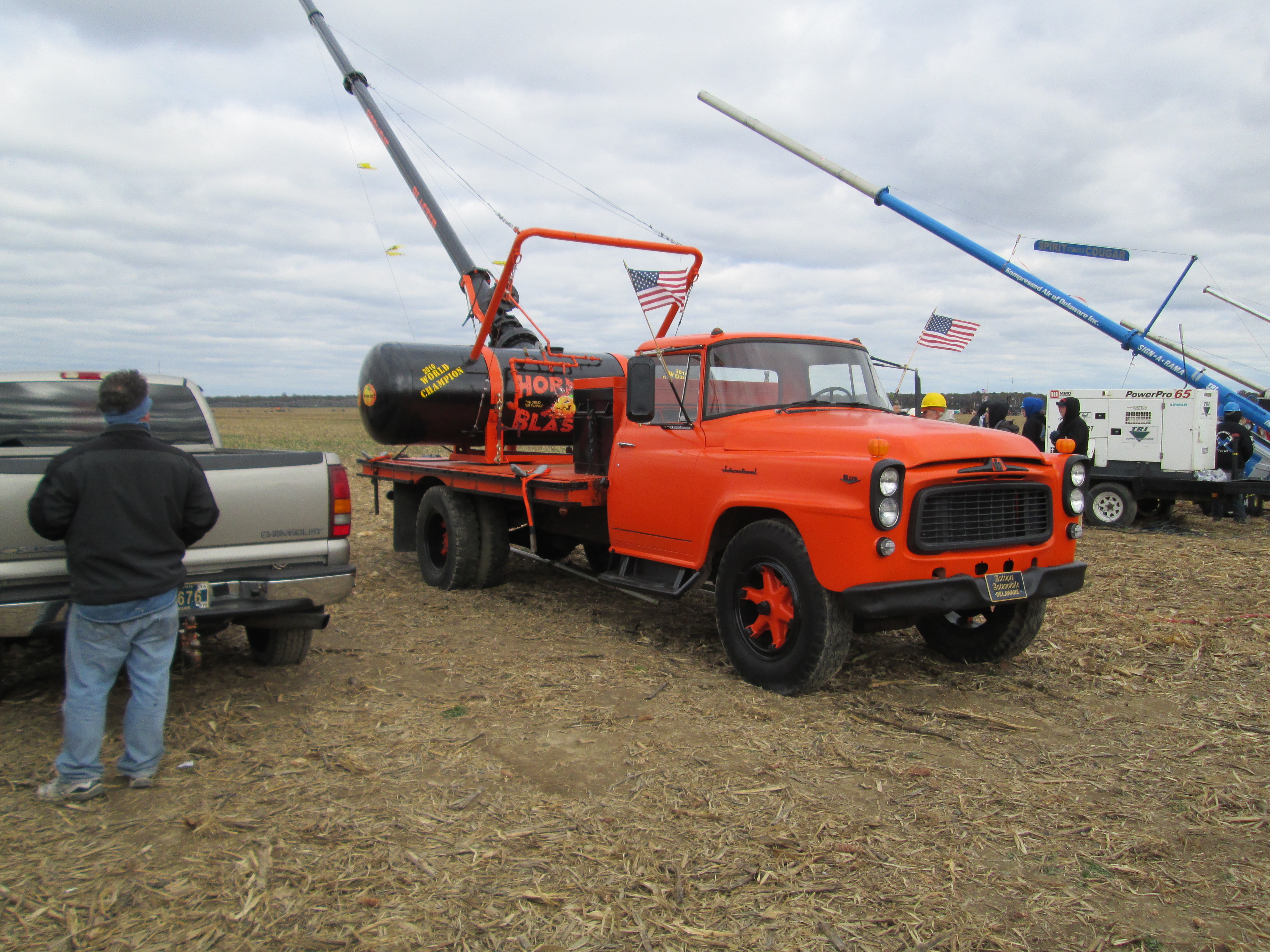
We held our ears and scanned the sky as the air cannons sent their pumpkins flying thousands of feet. With names like Spit Fire, Chunk-n-ology, Old Glory, and even the Hormone Blasters, the air cannons were sleek and colorful.

Young Glory III won the Adult Air division with its launch of 3,887 feet while Hormone Blasters won the Adult Female Air division with its launch of 3,500 feet.

Air cannon photos by Sandy Taft.

Trip taken November 2012.

Chuckin Pumpkins at Punkin Chunkin

They were big and small, wood and metal, human and gas powered, but they were all designed to do the same thing: chuck or “chunk” pumpkins across a cornfield. Trebuchets, catapults, centrifugal machines, air cannons and their teams all gathered last weekend in Bridgeville, Delaware, for the 27th annual World Championship Punkin Chunkin. And we were there.

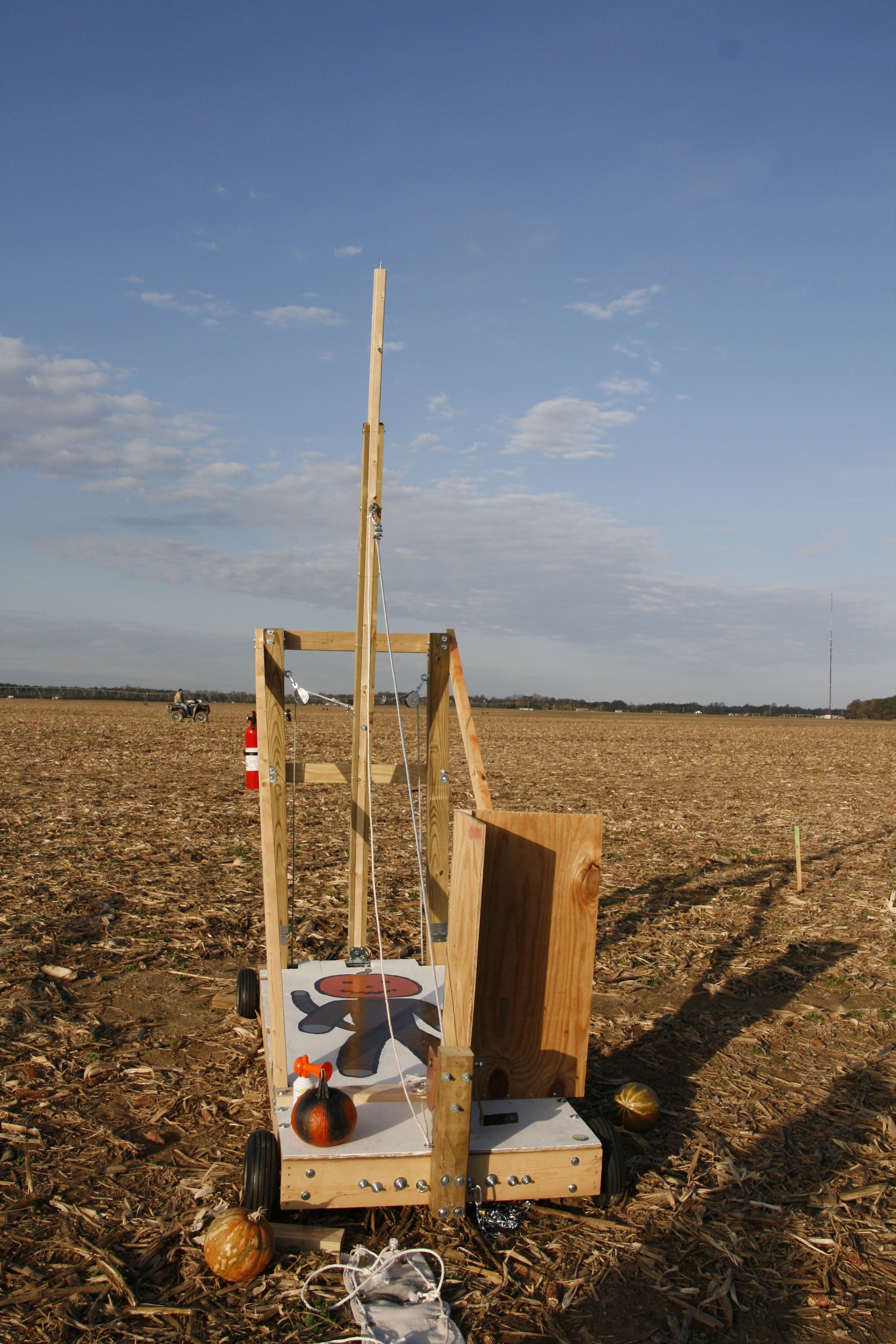
After watching Punkin Chunkin on TV last Thanksgiving, my daughter and her friend decided they wanted to enter their own machine. A little less than a year later, they were in Bridgeville with their brothers and their own wooden catapult, named the Socket Monkey, ready to compete in the human powered youth competition.

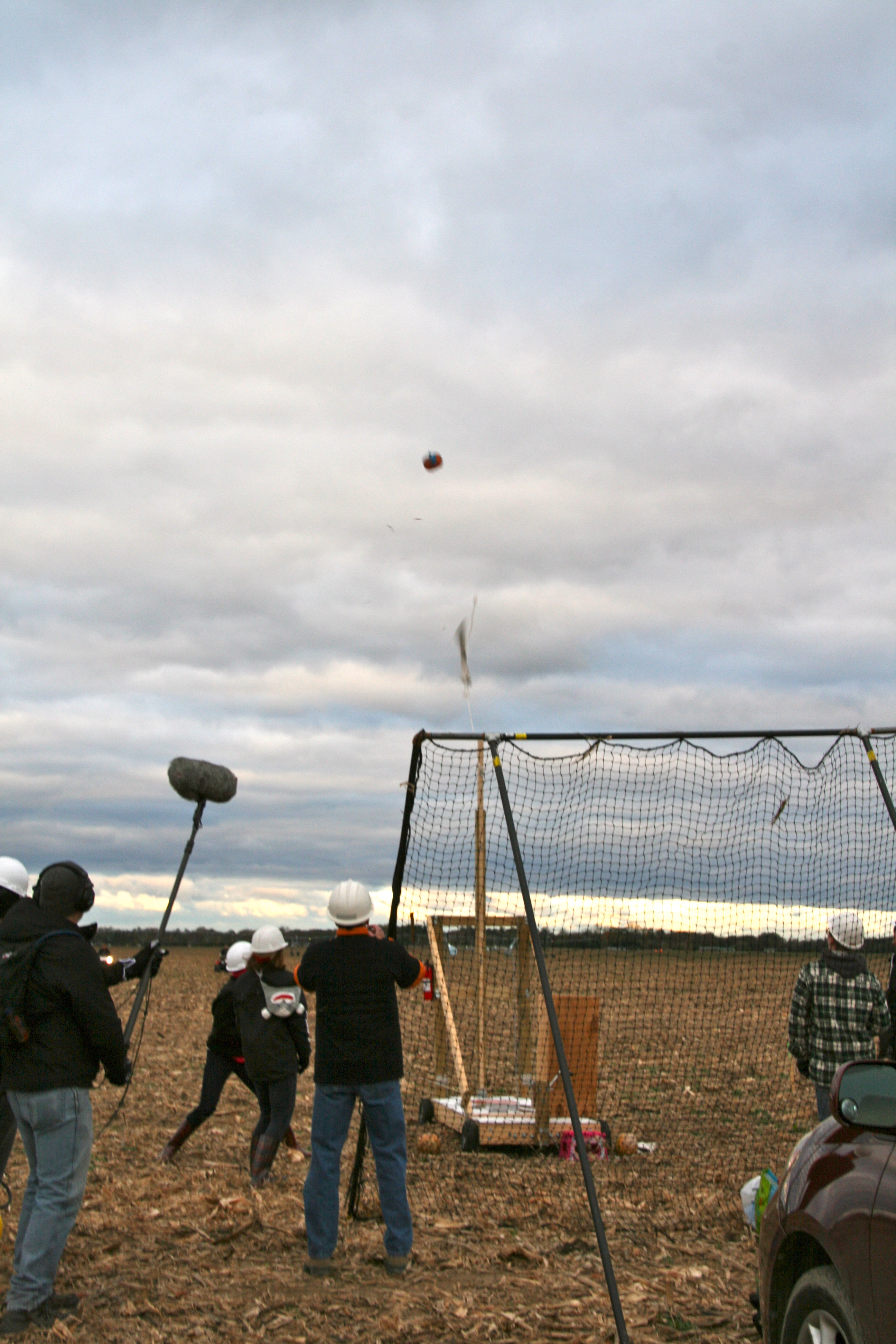
The Punkin Chunkin competition usually lasts 3 days but due to recovery from Hurricane Sandy, each team’s three launches were squeezed into just 2 days. On Friday, the teams set up their machines, weighed their pumpkins (4 pounds was the minimum allowed), and erected their own backstop to prevent those accidental backwards flying pumpkins from launching into the crowd.

On Saturday, the competition began with the youngest competitors: children 10 and under operated their own catapults and trebuchets before the Socket Monkey launched its first pumpkin into the wind at about 8:30 a.m.

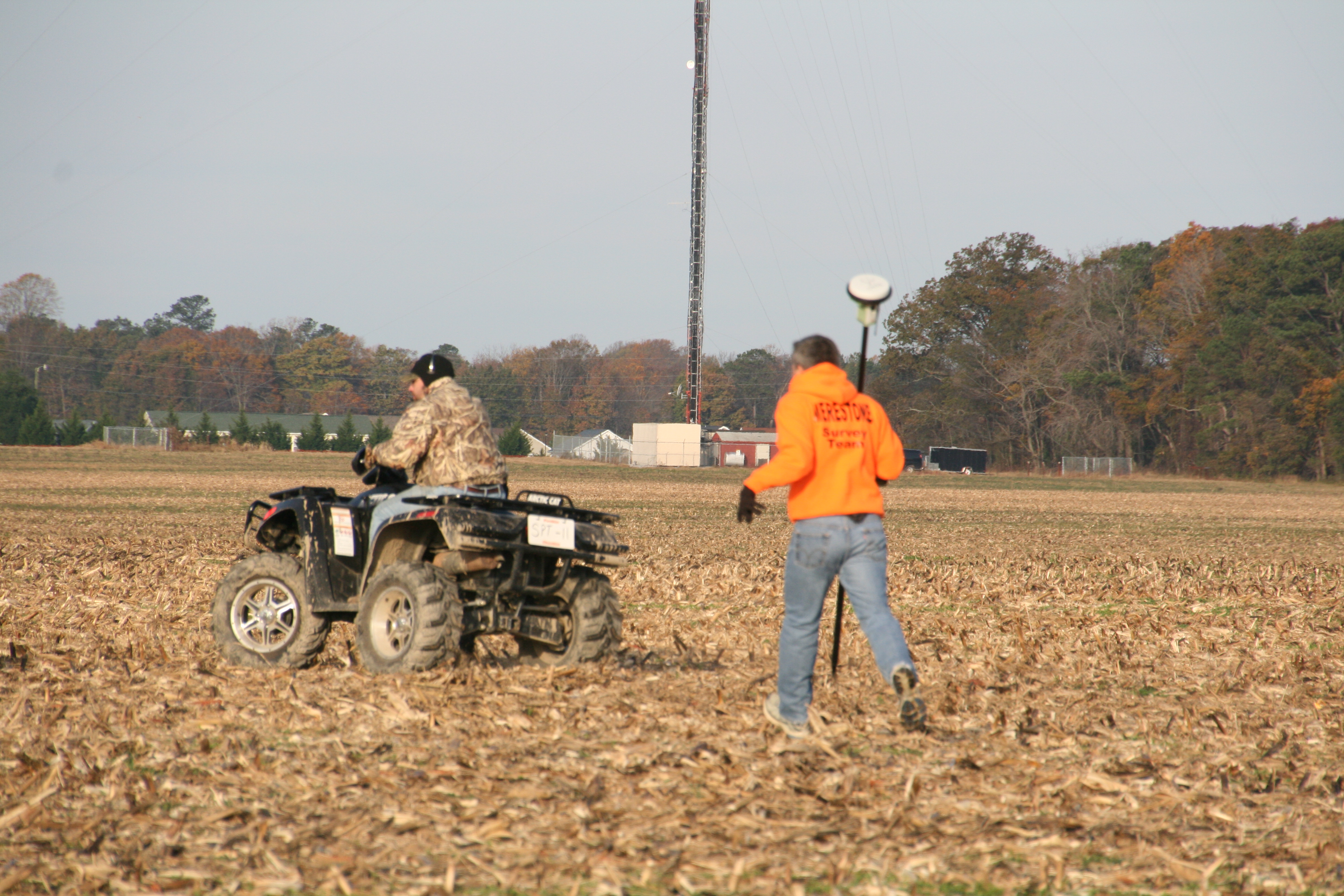
As the pumpkin hurled into the sky and splattered on the ground in the distance, volunteers on ATVs sped off with a GPS to measure the distance of the first chunk: 166 feet.

Somehow the organizers managed to squeeze in two launches for each of the 115 teams on Sunday, the last few chunks occurring at sunset. The Socket Monkey’s second pumpkin landed at 126 feet and its third at 172 feet, all respectable distances for our novice team but far less than its two competitors. Eleven-year veteran team Sister Slingers launched its pumpkin 681 feet.

But fifth time entrant Team Athena’s pumpkin went the winning distance of 983 feet, a world record for the youth human powered division.

The Socket Monkey team was happy. All chunks were forward, none were disqualified, there was no machine breakage, and the pumpkin never “pied” (splattered in the air). With a few tweaks, who knows how far the Socket Monkey will be able to hurl a pumpkin next year?

According to its website, the WCPCA (World Championship Punkin Chunkin Association) “raises money for scholarships, as well as organizations that benefit youth and the local community.” The event will be televised on the Science Channel on Thanksgiving at 8 p.m.

Check out my next post for photos of some of the other bigger machines at the Punkin Chunkin.

Trip taken November 2012.

Hurricane Sandy West of Boston

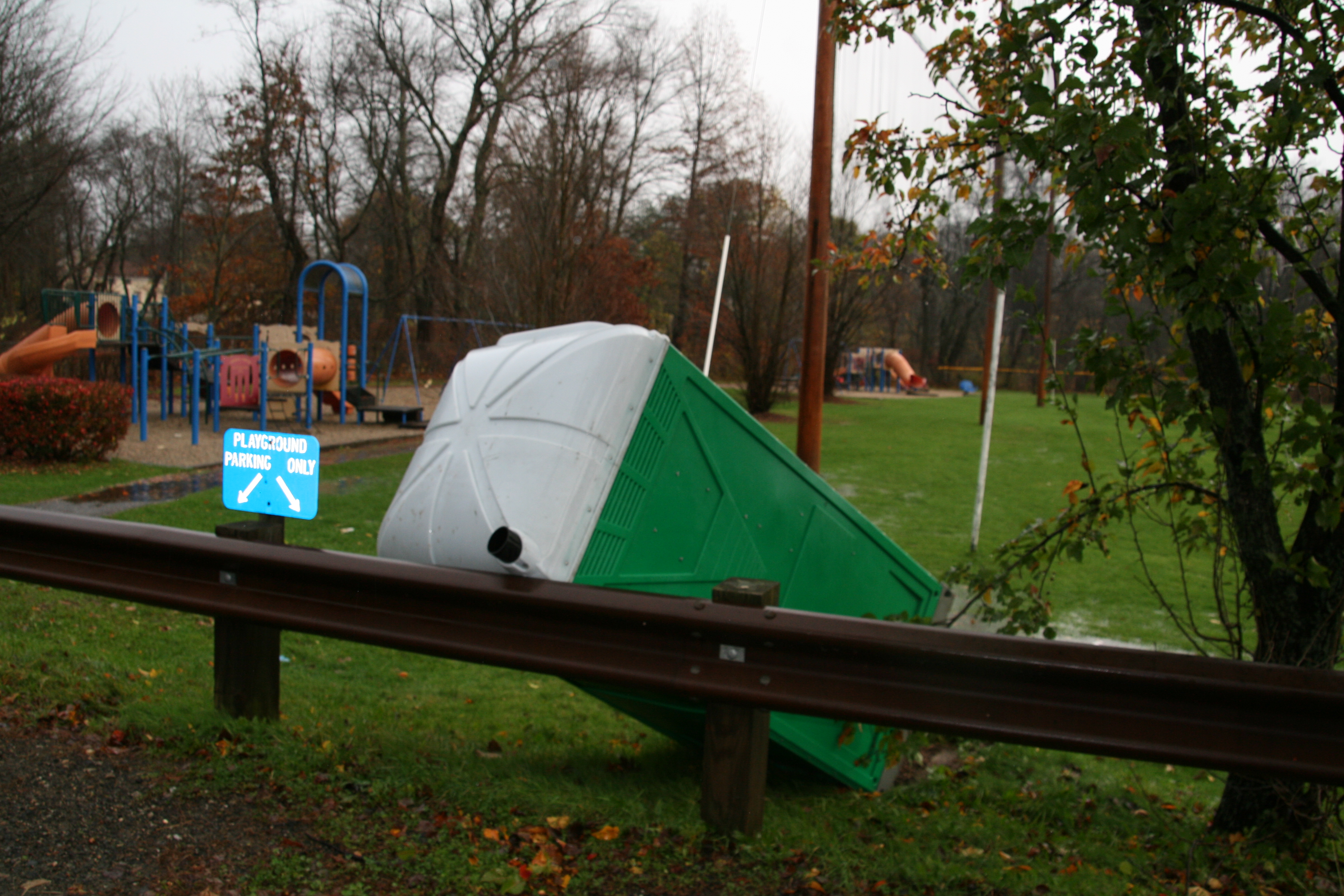
We hunkered down in our small town of Stow, 30 miles west of Boston, bracing for whatever Hurricane Sandy would bring. School was canceled. The kids were home. The cabinets were full of food and the basement with bottled water. (We have a well and if the electricity goes out, so does the water.) We replaced batteries in flashlights, did the laundry, and waited. It wasn’t until late afternoon that the winds picked up. We sat in our sunroom watching the big pine trees around our house bending over in the high winds, the sliding glass door bulging as the wind hit it just right. Pine branches flew past the windows on the first and second floors and rain pelted the glass.

When the lights finally did go out, we lit candles and started playing a game, but the power was only out for about 45 minutes.

Would school be canceled another day? My kids checked the school website continuously as erroneous postings on Facebook raised and lowered their hopes of another day at home. Finally, the school appeared on the list of closings but only for a delayed start. I wondered how anyone could make a decision before daylight. Five minutes before the bus was scheduled to arrive, school was canceled for the day. Wires and trees were down, and roads were closed.

I left the kids at home and ventured out and down roads littered with leaves and debris.

Yellow and red leaves still clung to a few of the trees in spite of the powerful winds the night before.

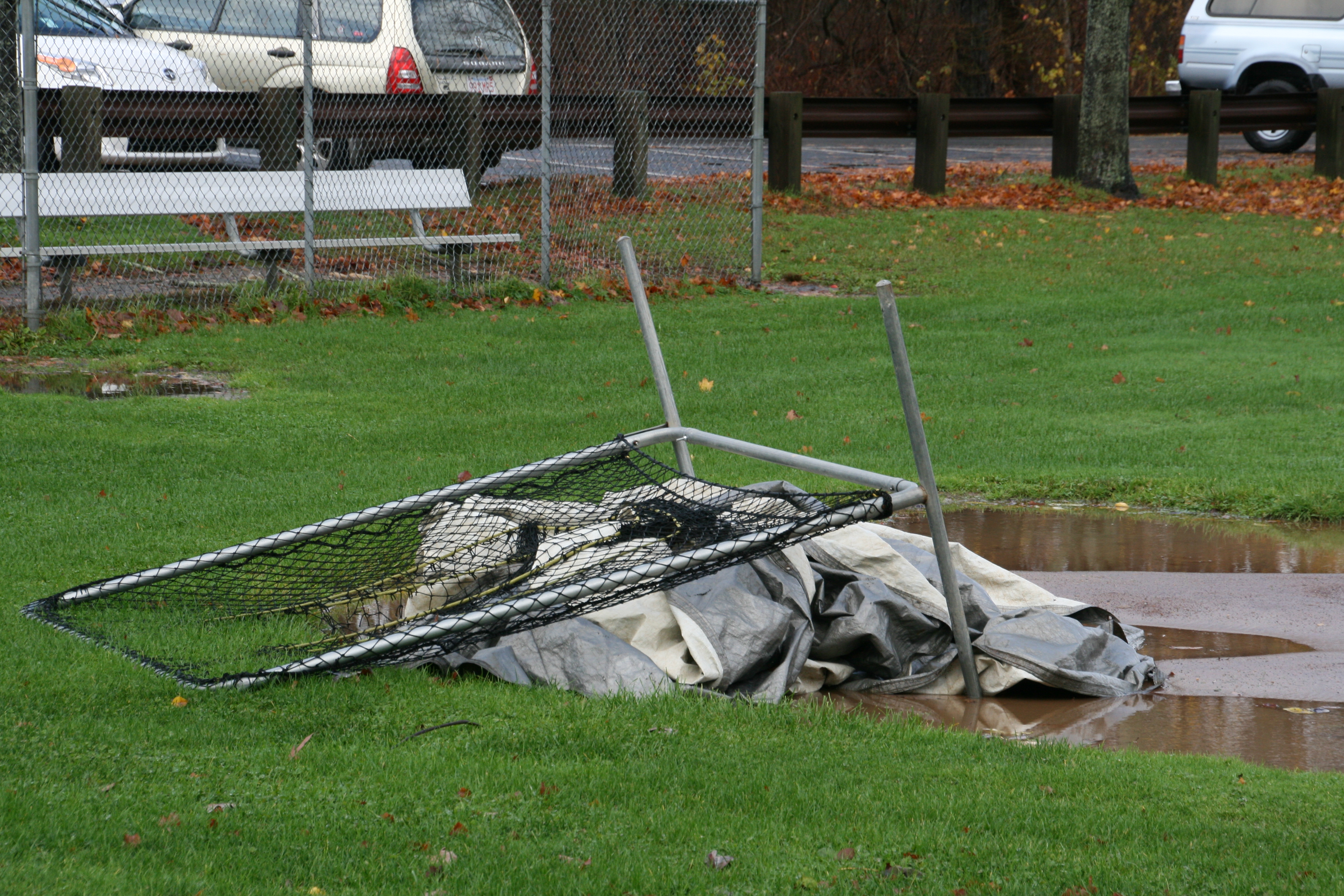
I saw a few downed trees and fallen structures and took my turn at an intersection where the traffic lights didn’t work.

At home, I picked up branches and righted and replanted a small fallen tree. Halloween was canceled in our town for the second year in a row (last year we had snow!) and rescheduled for Sunday. But we’re not complaining. The storm changed path, and this time we were lucky.

And on to Middlebury

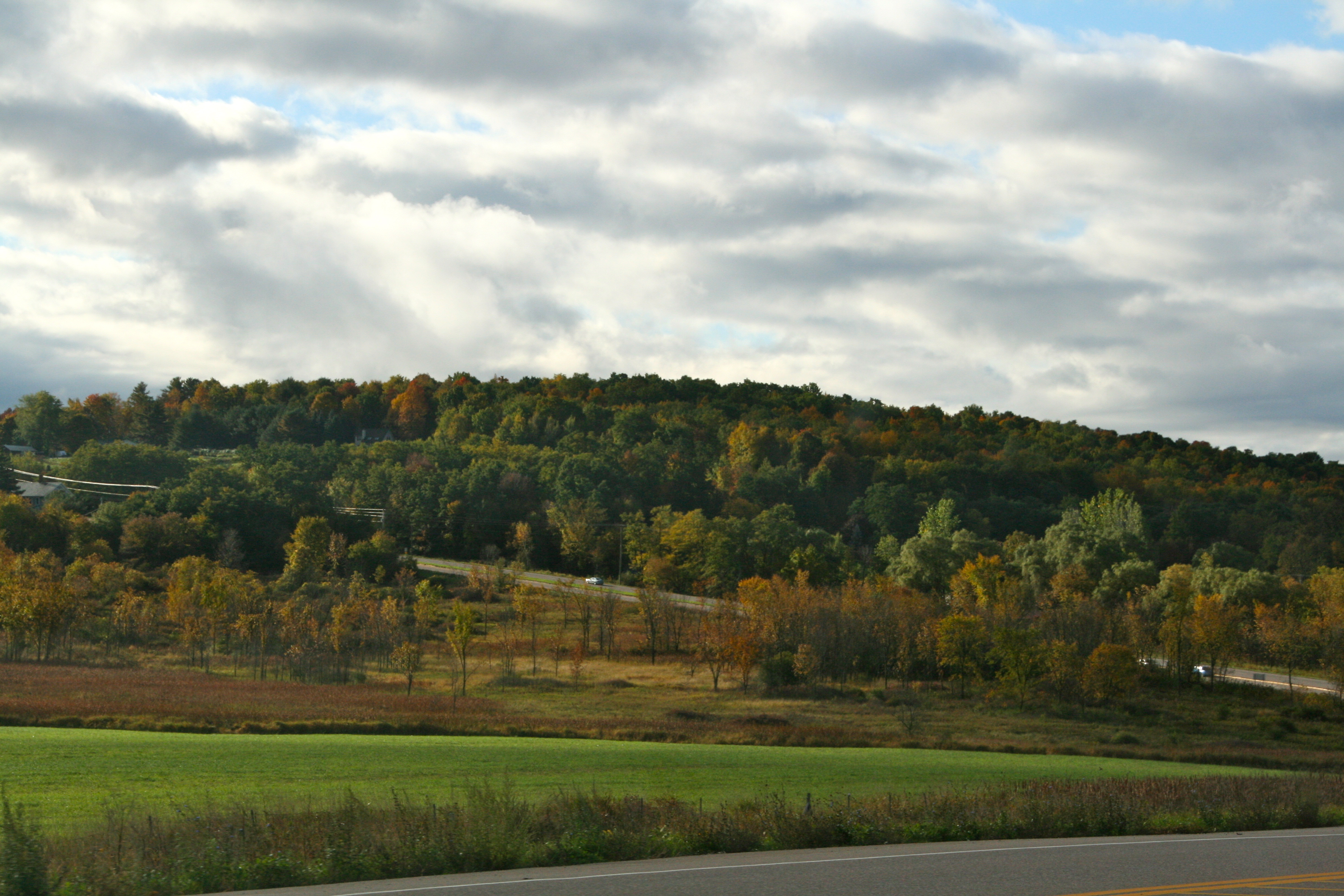
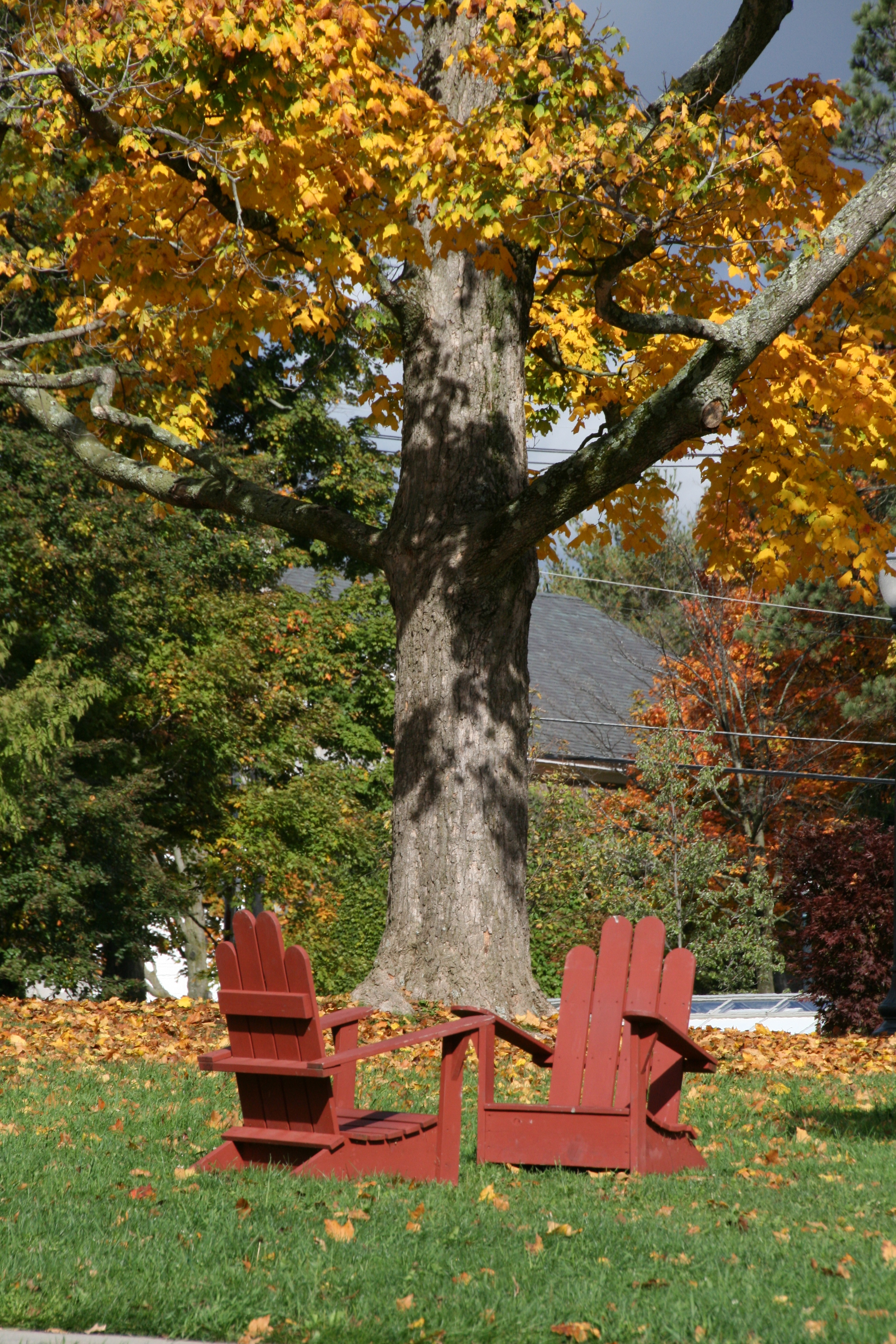
Over rolling hills and through trees of yellow and orange, we drove the 35 miles south from Burlington to Middlebury, Vermont, between the Green Mountains and the Adirondacks, arriving at Middlebury College in time for a 9:30 a.m. information session.

It was Columbus Day weekend, and we were on the third stop of a college tour.

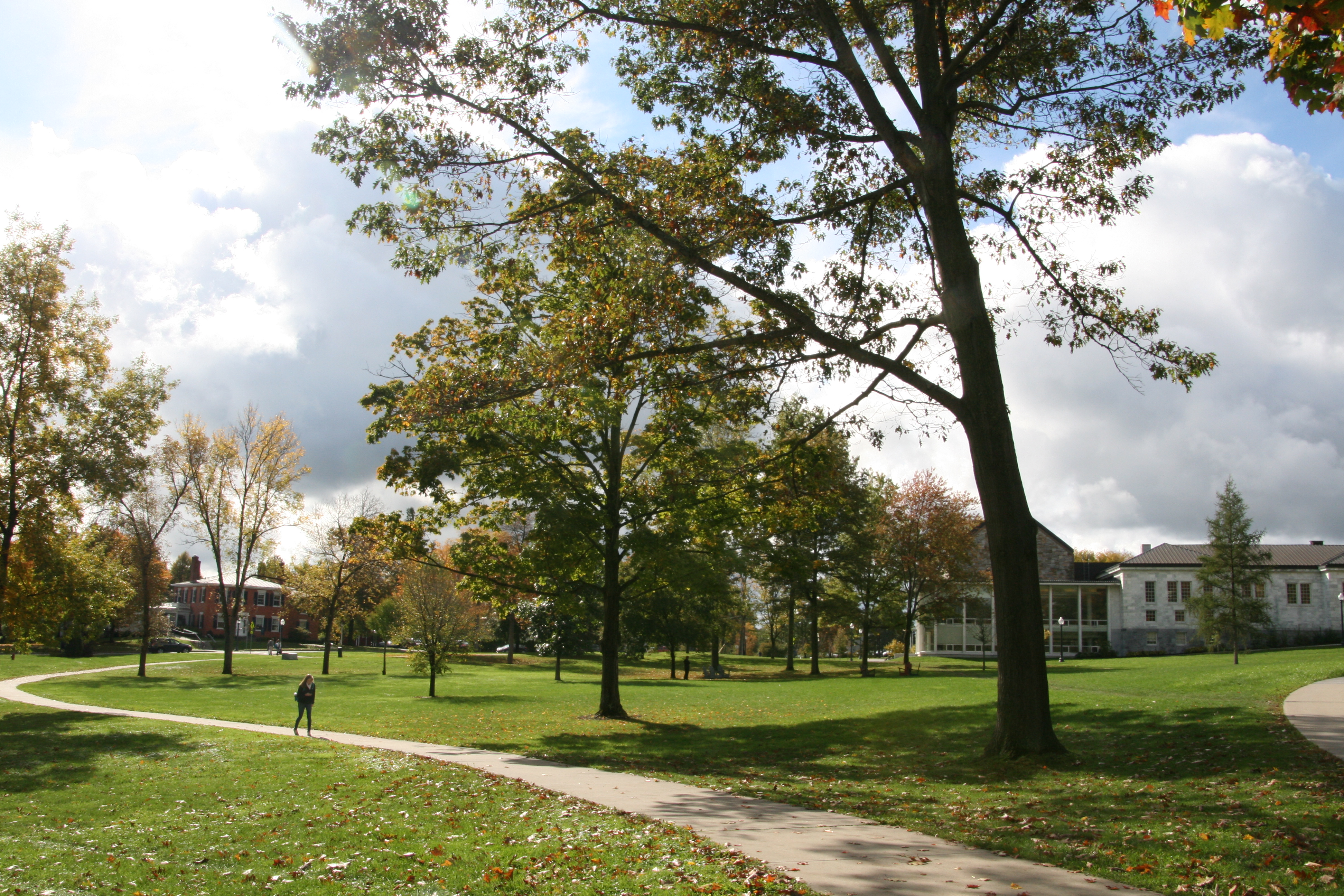
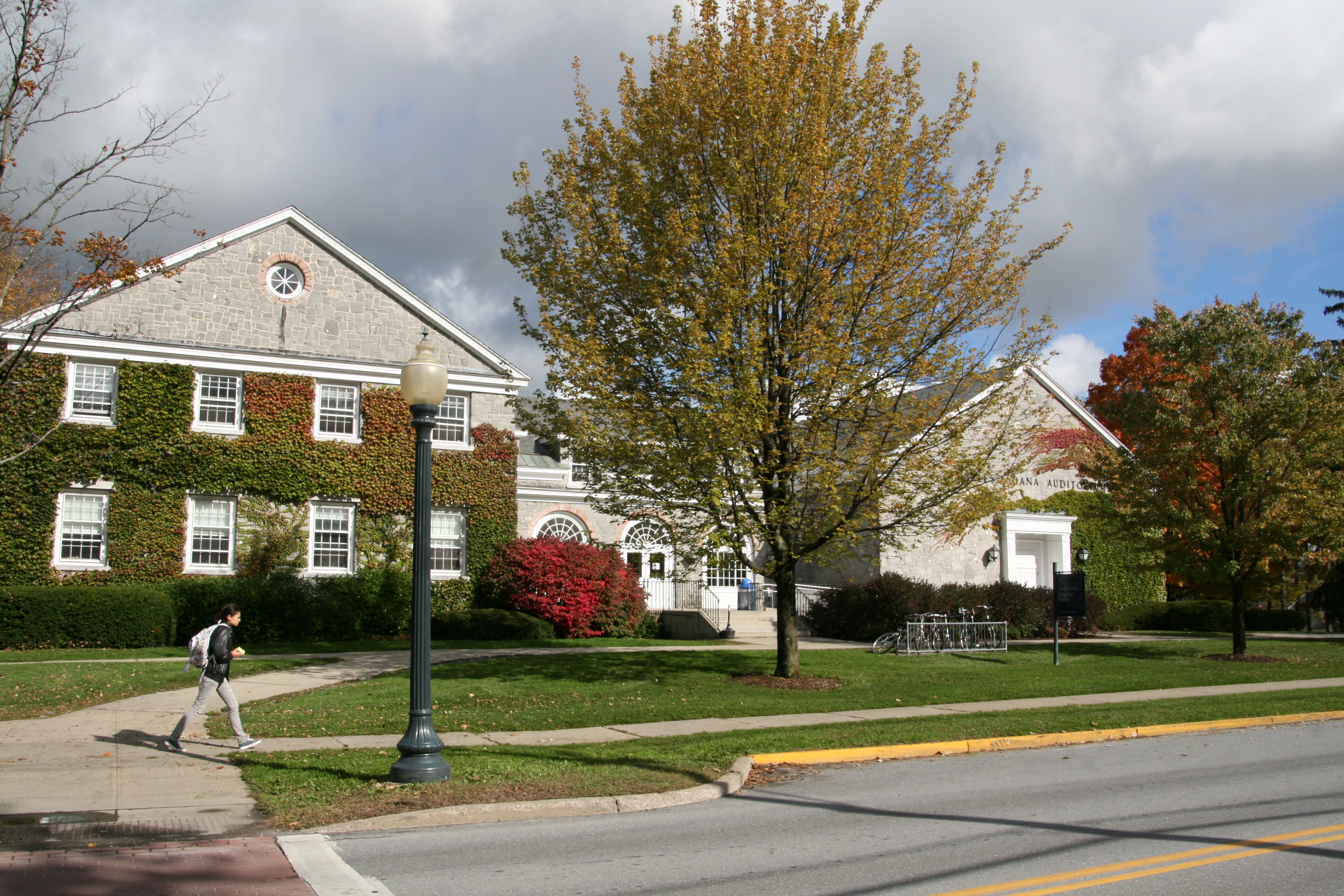
After a slideshow and informative talk, we followed our tour guide as he walked backwards down paths around the 350-acre campus.

With about 30 others, we wandered among several of the college’s buildings, including the library, student center, and a dorm room (complete with resident student).

When asked what surprised him most when arriving at Middlebury College as a freshman, our tour guide said it was the intelligence of the students.

Middlebury College was founded in 1800 and is one of the oldest private liberal arts colleges in the country. According to its website, its undergraduate enrollment is about 2,450 with students from 50 states and 70 countries.

Trip taken October 2012.

Road Trip to Burlington, Vermont

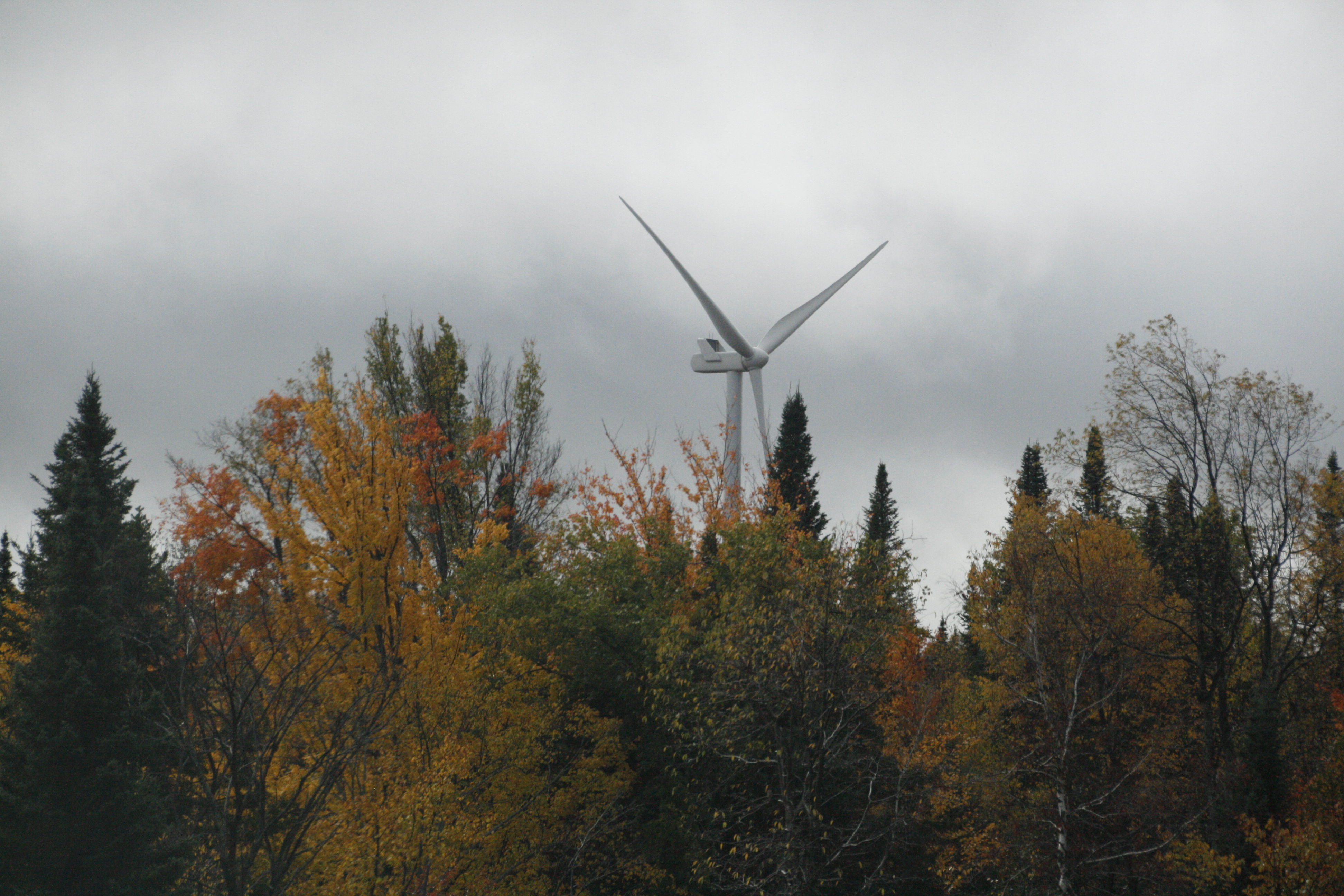
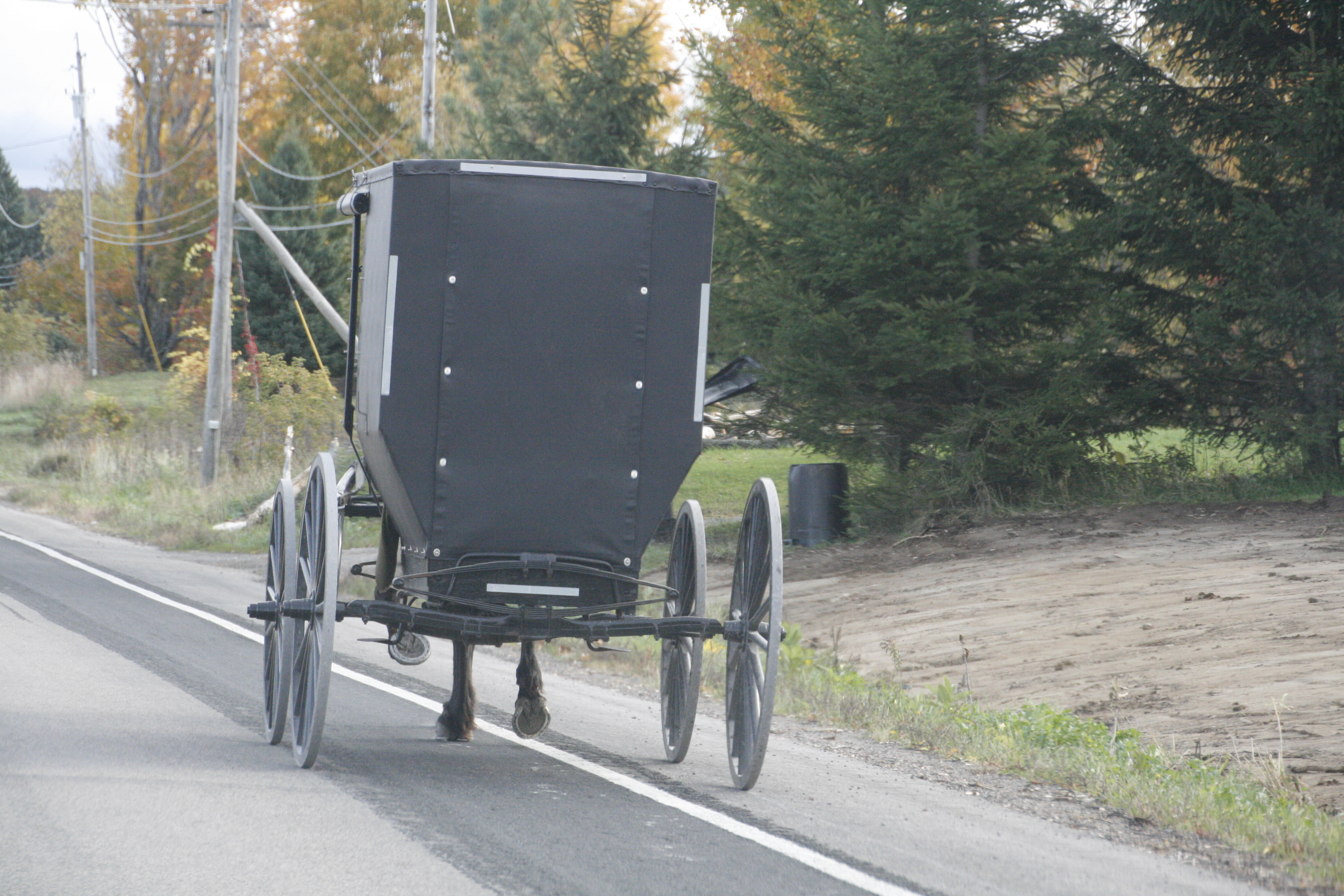
The 150-mile drive from Canton, New York, to Burlington, Vermont, went quickly as we listened to a book on tape (“Dog on It,” By Spencer Quinn) and looked out the window at windmills and Amish buggies going by.

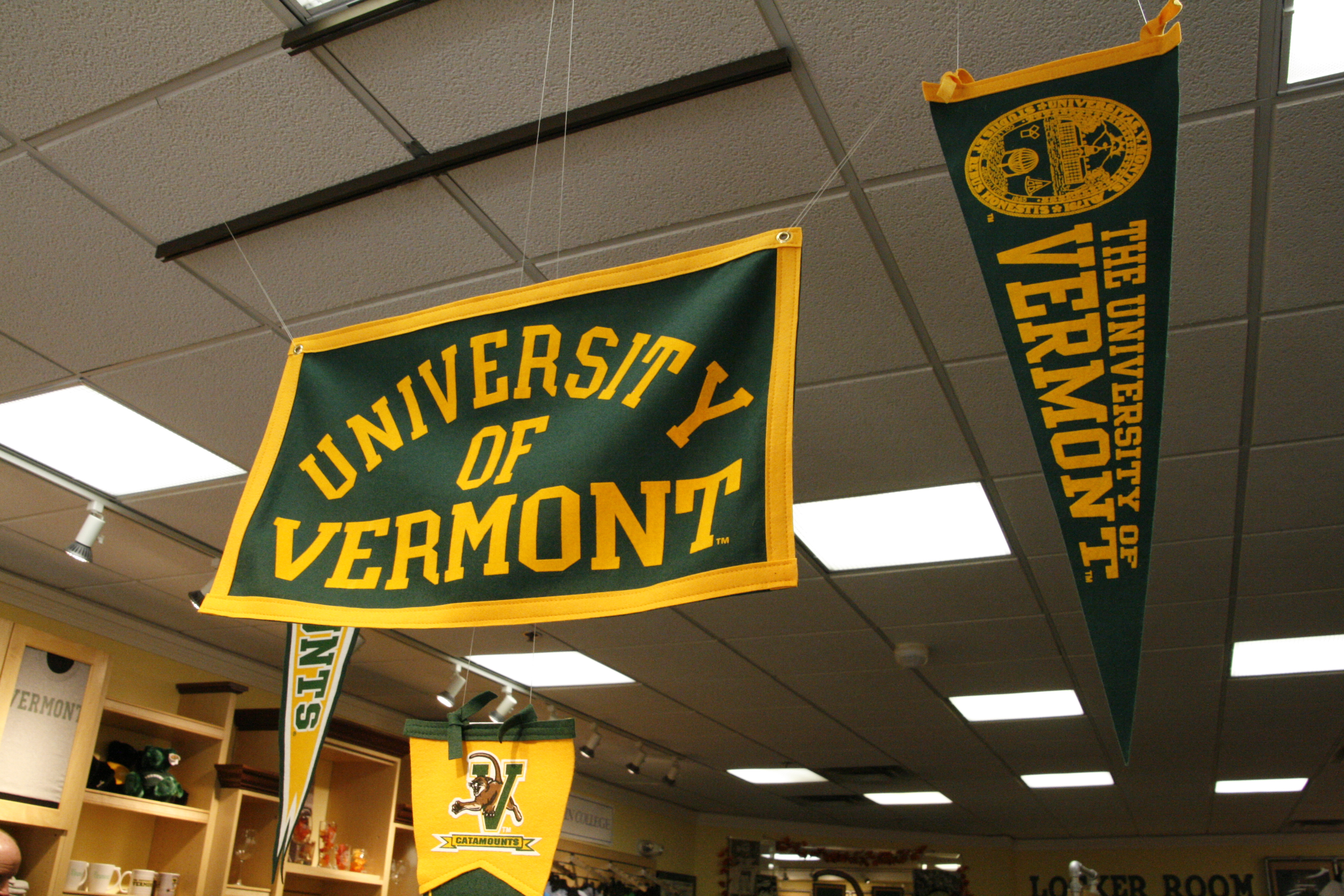
We toured the University of Vermont with 20 or so others, exploring the campus with our tour guide, a biology major.

She led us around the sprawling university which bustled with activity in spite of the day of the week (Sunday).

We learned about the seven undergraduate colleges where 10,500 students pick from 101 majors and the average undergraduate class size is 31. We learned about UVM’s “green mindset”: UVM was one of the first college campuses to ban bottled drinking water and has several LEED (Leadership in Energy and Environmental Design) certified buildings on campus.

We learned that there is always something to do when you’re not studying:  there are over 150 student clubs and organizations and over 70 opportunities to play sports, from varsity to club to intramural. And we learned (second hand) that the food is good and accommodates students with a variety of dietary restrictions, including vegan, vegetarian, gluten free, and food allergies. There is even a Ben & Jerry’s on campus.

We spent the afternoon and evening strolling around Burlington, in and out of stores on Church Street and swinging in swings by the shore of Lake Champlain.

We ate a snack at El Cortijo Taqueria and Cantina (I had a yummy taco with sweet potatoes, guajillo salsa, kale, and pepitas) and dinner at Sweetwaters where my daughter ate gluten free, and everyone agreed that the burgers and mashed potatoes were the best they’d ever eaten.

Trip taken October 2012.

Road Trip to Upstate New York!

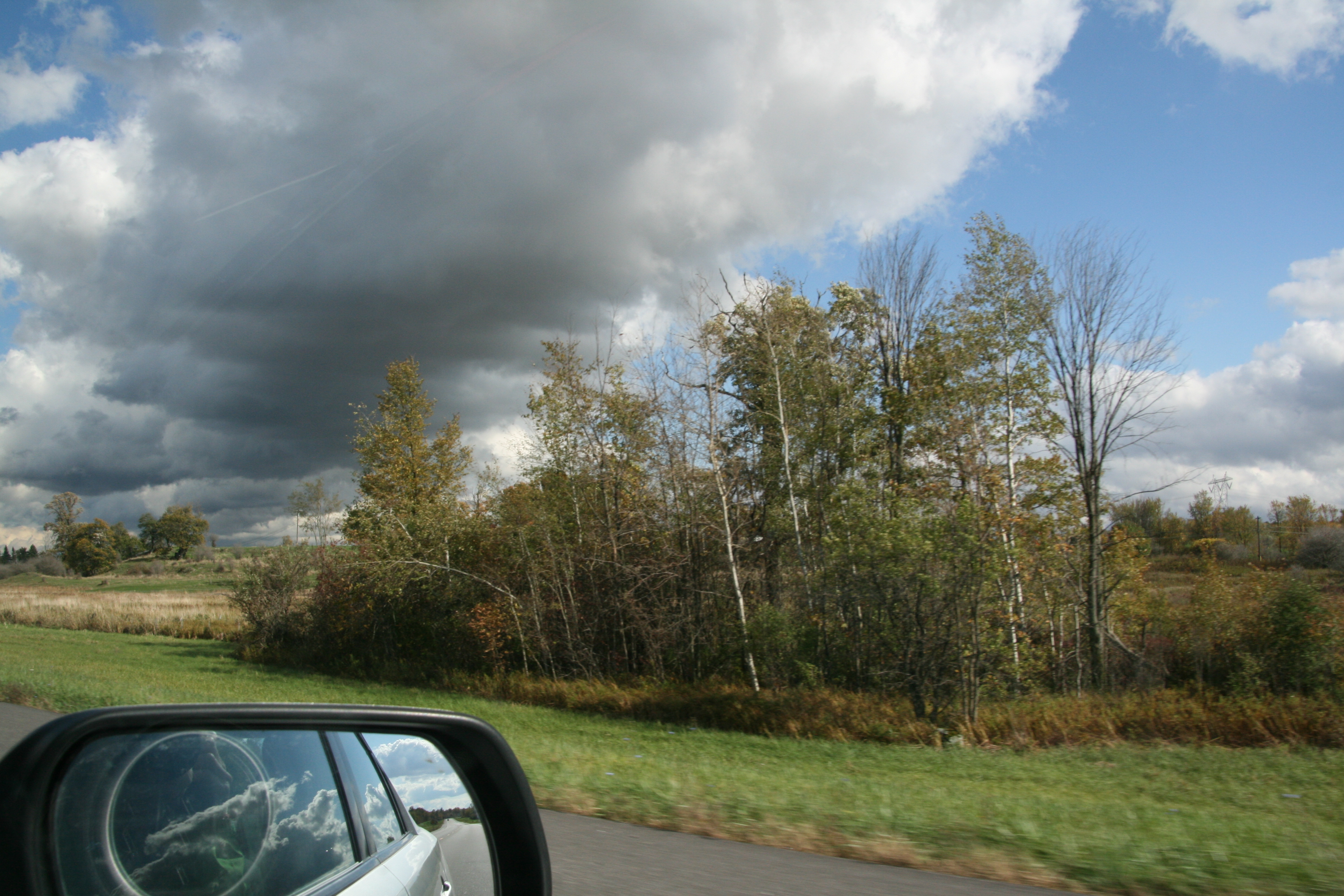
Blue lights flashed behind us as we drove through the small town of Malone, New York, about 11:30 p.m. and just 40 miles from our destination, St. Lawrence University. Our right rear tail light was out according to the chatty young policeman who pulled us over. Less than 5 minutes later, blue lights flashed again, and another friendly policeman, this one from the state, told us the same thing. It wasn’t until after midnight that we pulled into the town of Canton, after 7 hours and over 370 miles in the car.

After replacing the tail light, we drove over to my husband’s alma matter where the trees were turning, the rain intermittent, the buildings old but majestic.

On our semi-private tour, with just one other family, we toured the campus, walking in and out of classrooms, lecture halls, and even a dorm room where a real student studied. (Unexpected bonus: students on the tour receive a giant cookie and their application fee waived.)

We saw the “treehouse” study areas at the library, bought shirts at the bookstore, and ate lunch in one of the dining halls, with meal passes from the admissions office: pasta, pizza, a turkey sandwich (on gluten-free bread), salad bar, and frozen yogurt.

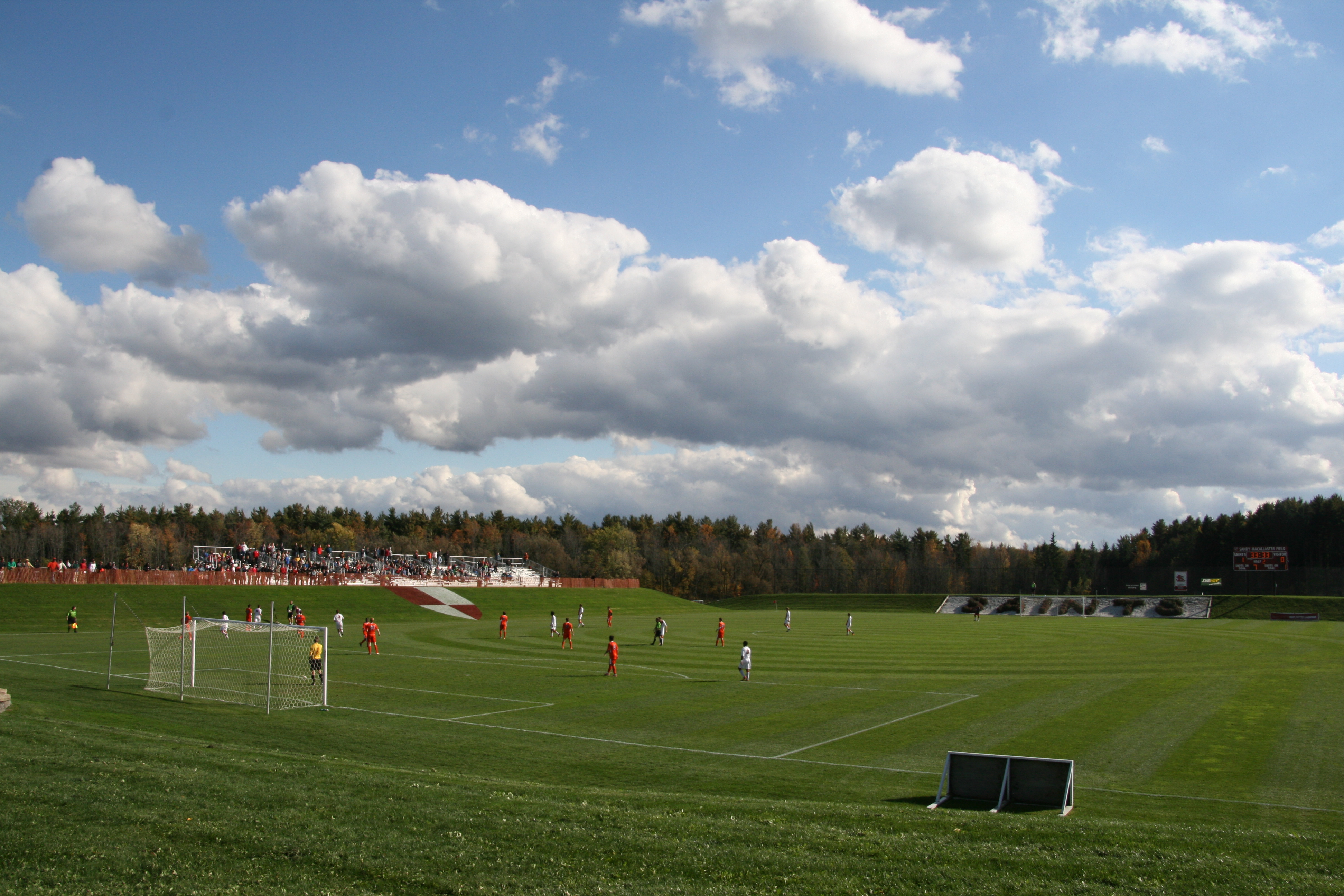
As we drove around campus, we stumbled upon a soccer game and stopped to watch SLU beat Hobart in the game’s second half (3-0).

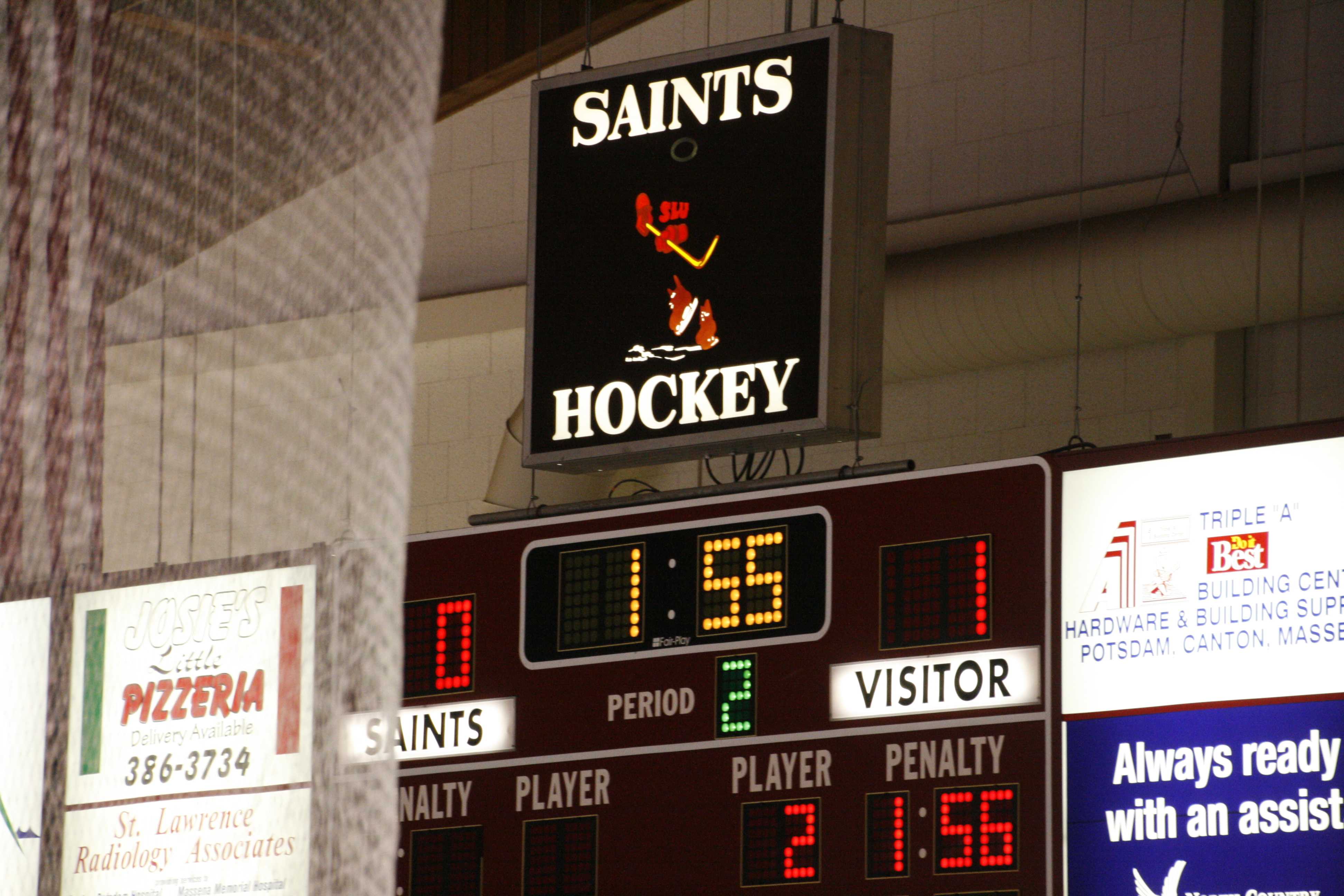
After gluten-free Mexican at the Hot Tamale in downtown Canton, we joined the crowds at Appleton Arena to watch the Saints’ ice hockey team beat Carleton University in overtime (3-2).

A pizza roll at Sergi’s was the late night snack for the boys.

According to its website, SLU was founded in 1856 and is a liberal arts college offering over 60 majors to its 2300 undergraduates. Seventy percent of the students participate in volunteer or community service while enrolled at SLU, and 50 percent of the students choose to study off campus, whether in the Adirondacks or abroad.

Pizza roll photos by Tommy Taft.

Trip taken October 2012.

From Y Meadow Lake to Chewing Gum Lake and Back to the Trailhead

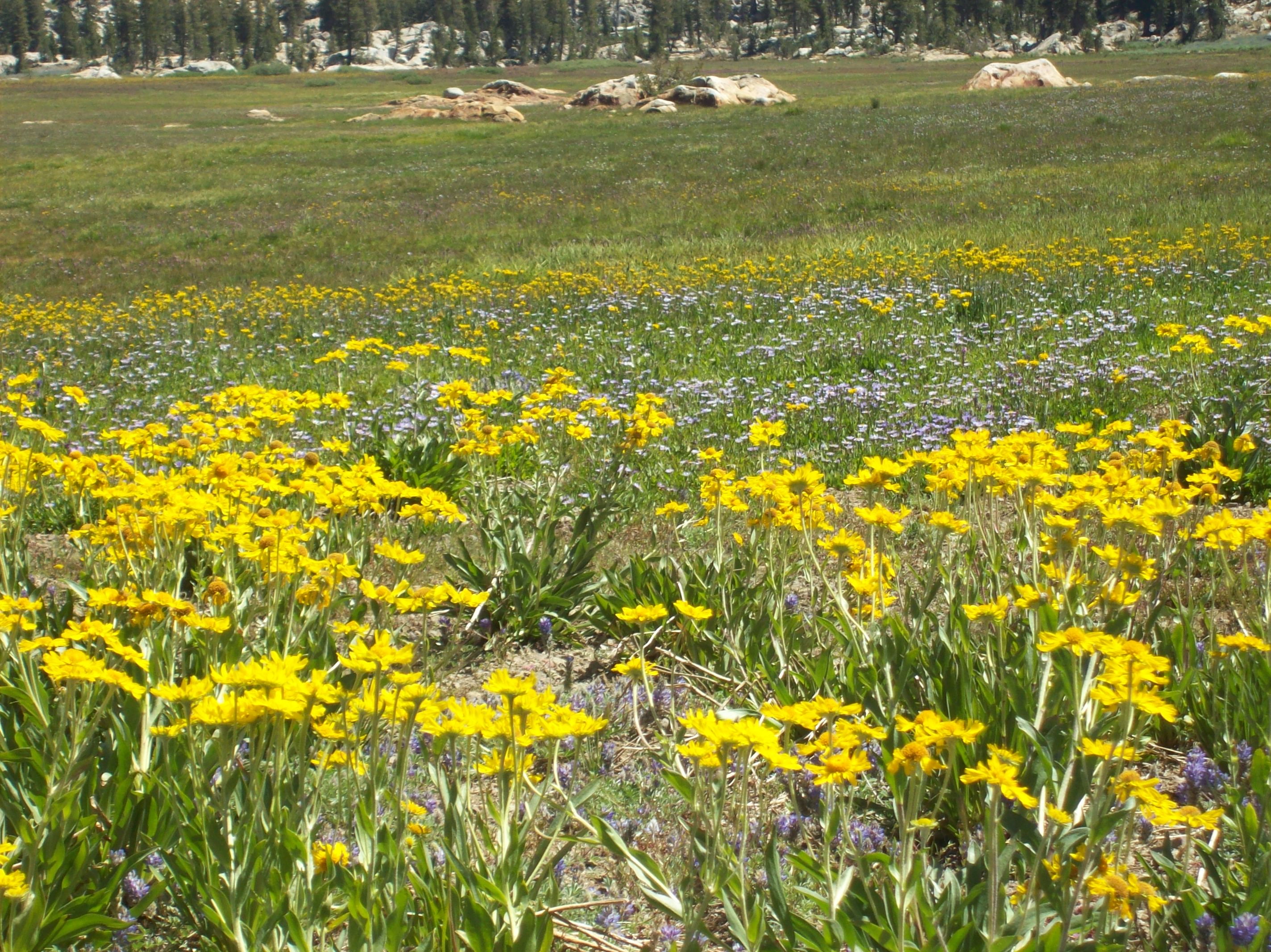
Our longest day was one of our easiest, as the 7 miles of trail wandered and wound through meadows of wildflowers:  blue lupine, red Indian paintbrush and yellow monkey flowers.

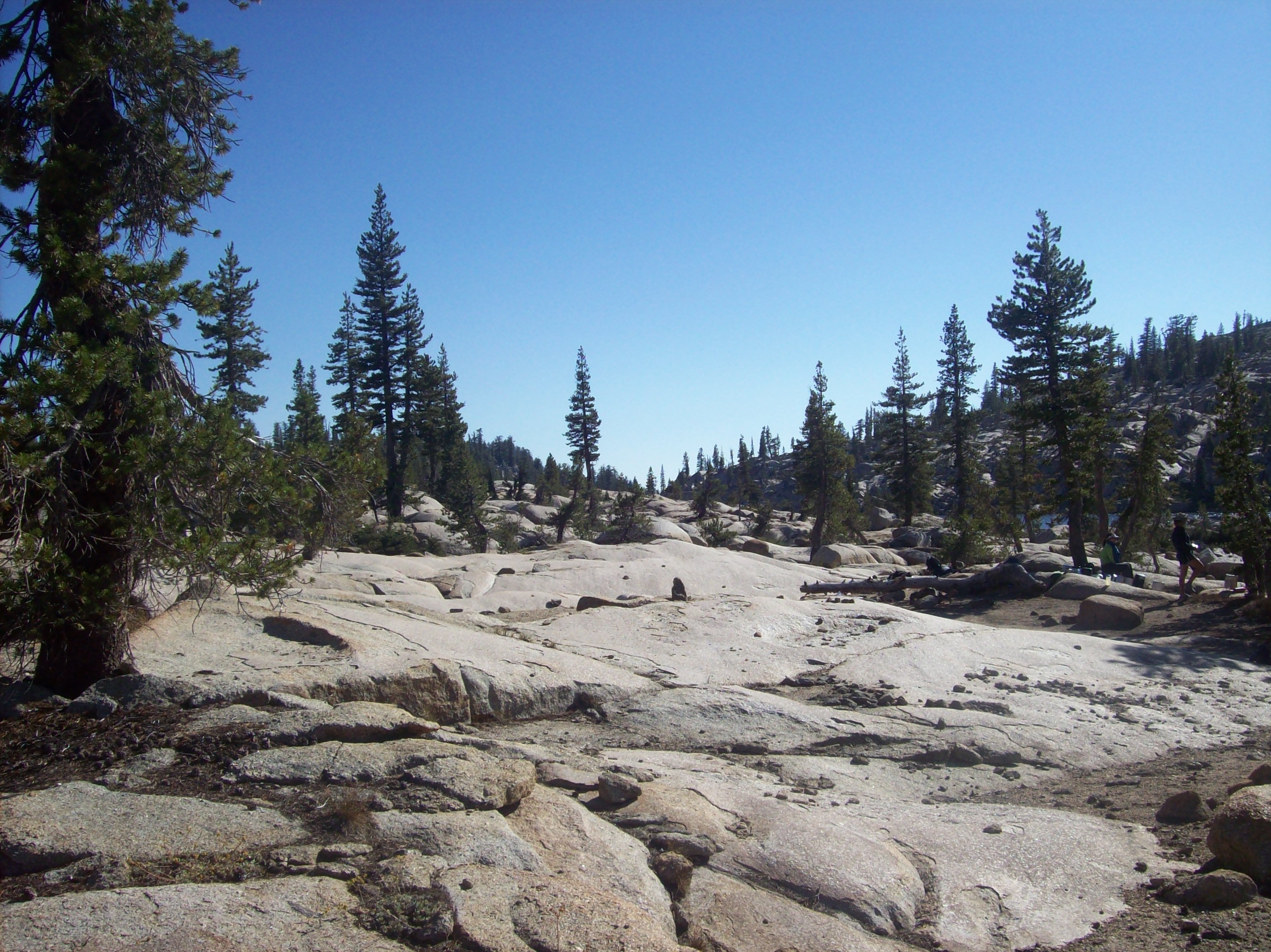
We spent the night at Y Meadow Lake, surrounded by granite without much vegetation.

We scattered our tents about between the rocks and enjoyed the quiet of this unpopulated lake, the only sign of civilization, someone’s food hung high on a tree branch over the lake away from any potential hungry bears. We didn’t swim in Y Meadow Lake, but sat by its edge, doing crossword puzzles, reading, and relaxing.

We spent our last night on the trail at Chewing Gum Lake and wondered how it got its name? Was it the muddy bottom that squished as our feet touched and sank several inches? Or was it the grey color of the mud banks? Motivated to get my feet off the mucky shore, I swam into the clear water and was soon gasping for breath. Surprised, I remembered the 8,700 foot elevation, pretty high for a flatlander like me.

At Chewing Gum Lake we were not alone; the lake was scattered with people of all ages jumping off its rocks, swimming and sunbathing or just hanging out on air mattresses on the water. Just 4.5 miles from a trail head, Chewing Gum Lake was easing us back into civilization.

Once again, the group campsite was taken, so we each found our own nook among the rocks of this hilly area, our kitchen located between a couple of trees. That night, as we stayed up late playing a game of Uno, needing head lamps to see our cards, we could hear other campers and smell their campfires.

After peaking at 8,923 feet, we began our descent and hiked down to our beginning elevation of 7,200 feet. Our last day hike back to Crabtree Trailhead was quick, as our leader said it would be, referencing the Back to the Barn effect. Just like horses or cows, once we knew we were almost “home,” we picked up the pace and finished our hike in just 3 hours.

Back at Crabtree, we exchanged addresses, took photographs, said good-bye and marveled at our trip where 11 strangers hiked and camped easily together, wildflowers were in abundance, mosquitos were rarely seen, and it never rained.