California Mexican

When a friend asked me what my favorite food was, I didn’t hesitate. “Salsa!” I replied. I like chips, too, but mainly as a conduit to salsa fresca: tomatoes, onion, a pepper, cilantro, and lime juice. I love the chunky and the tart, with just the right heat. I like my salsa on the medium to mild side, too much heat and my taste buds are overwhelmed; too little heat and the salsa remains only a sidebar. Just the right amount, and I want to add it to everything, the burritos, the tacos, the enchilada.

I like the fresh, California-style Mexican, and I love fish tacos. In college, I traveled to Ensenada with a couple of friends where we ate fish tacos for a quarter from street vendors. Fried fish, salsa fresca, sliced cabbage, mayo and a little lime juice all within a corn tortilla. The best.

Now an East Coast transplant, I’m always searching for the perfect Mexican place. I’ve eaten at several in New England over the years, but no matter how hard I try, my favorite Mexican restaurants remain in California, and two of them are located in the Bay Area: Guaymas and Joe’s Taco Lounge.

Guaymas is the fancier of the two. Located on Main Street in Tiburon, Guaymas is perched on the Bay. You can sit outside among the seagulls and the sail boats or inside where papel picado banners (those brightly colored paper cutouts) decorate the room. I ate lunch at Guaymas after the Loma Prieta Earthquake – feeling safe and lucky in barely touched Tiburon, looking across the Bay at crumpled and warped San Francisco. At Guaymas, they serve a variety of salsas. Try the Ceviche de Pescado, the Poblano en Nogado, or the Tamales Platano.

Not far from Guaymas, you can find Joe’s Taco Lounge in the small town of Mill Valley (identified as one of the best small towns in Smithonian Magazine’s recent article). Small, noisy, and colorful, you have to get there early for a table or be prepared to wait. Here the only view is of colorful hot sauces lining the wall and the bar in the center of this tiny restaurant. I’ve heard the burritos are amazing, but I can’t get beyond the fish tacos, and I always ask for more salsa.

Photos on this post by Erica on trip taken in May 2009.
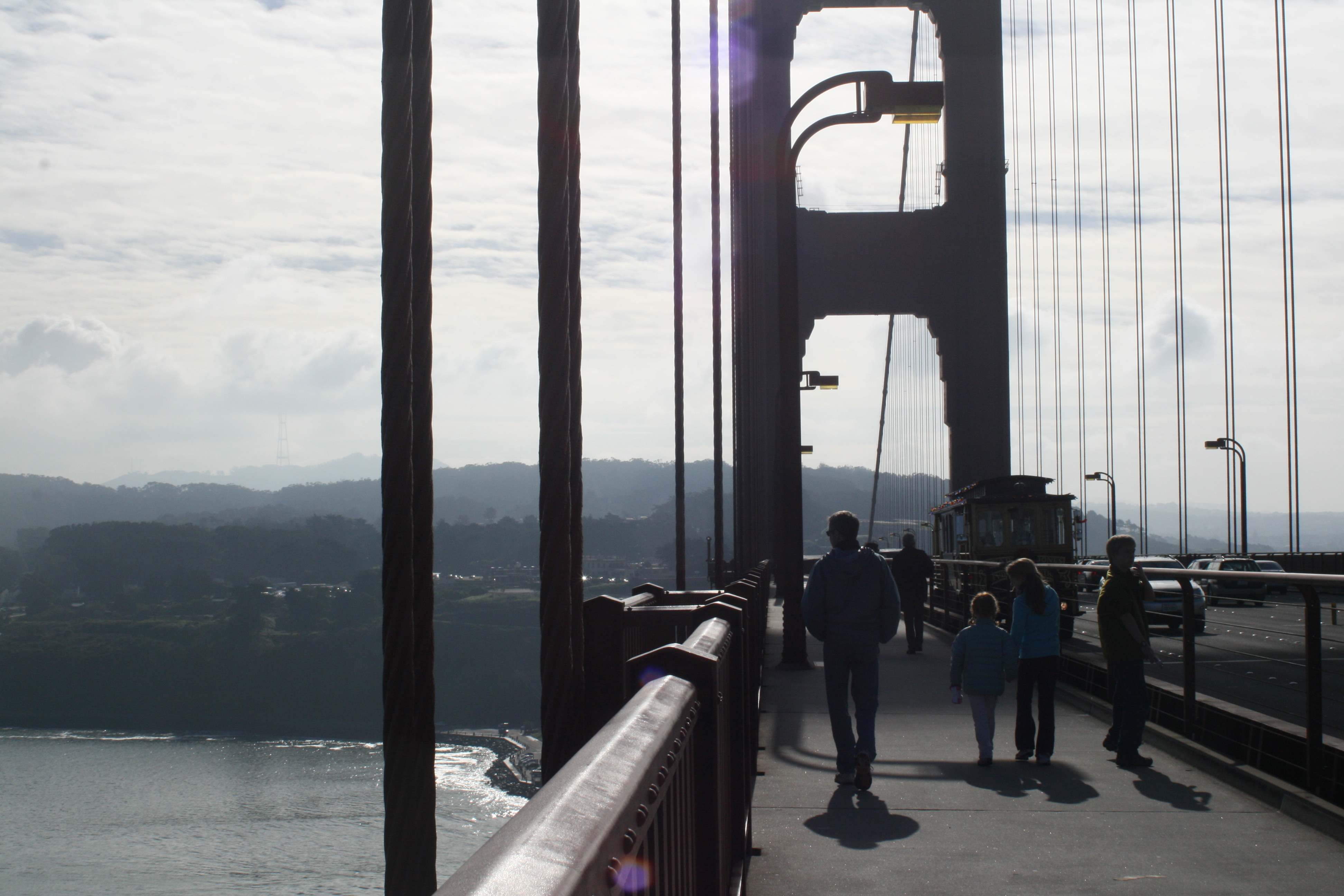
Walking the Span

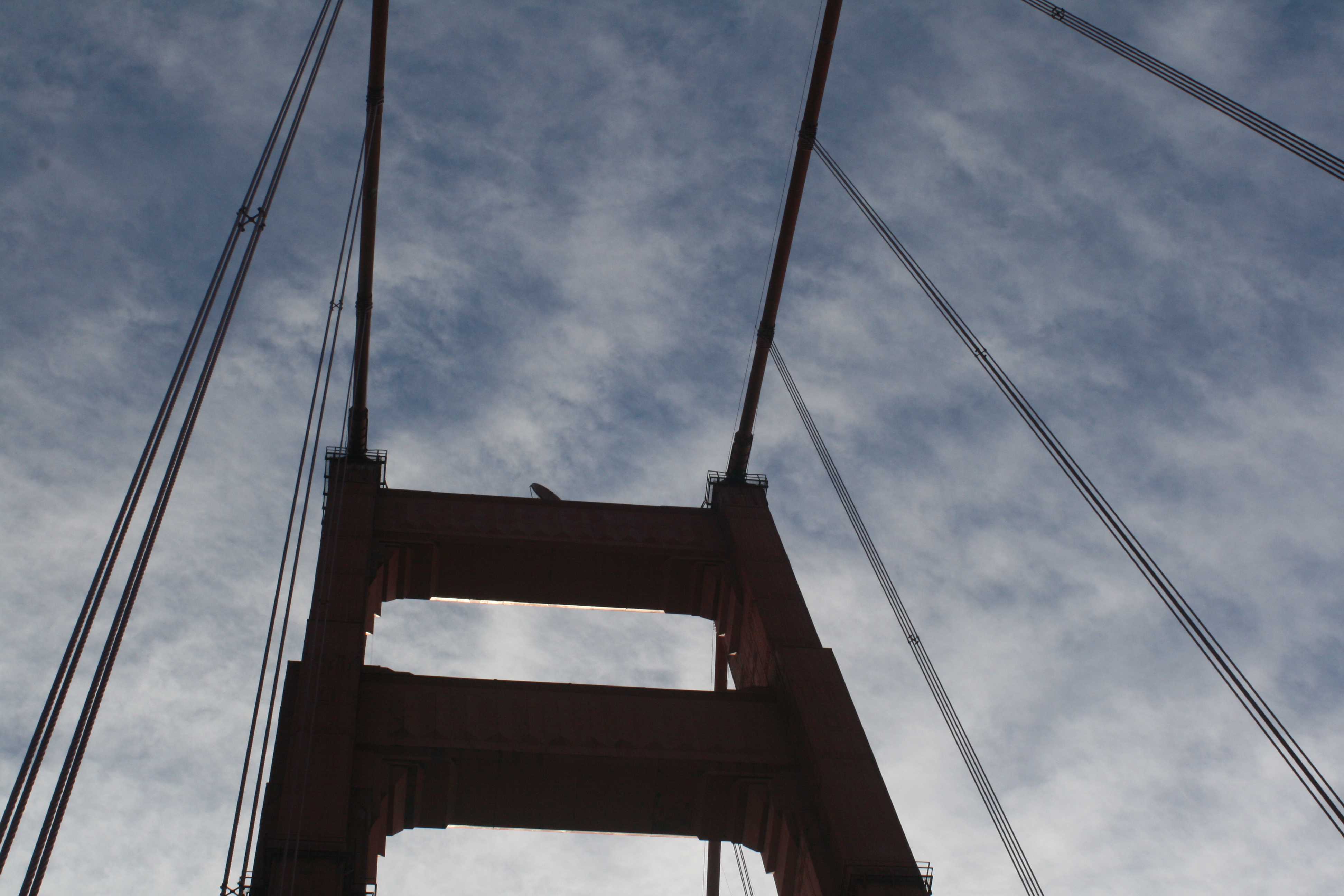
Have you ever walked across the Golden Gate Bridge? Even though I grew up in the San Francisco Bay Area and drove across the bridge hundreds of times, it took a visit with my family as a tourist to finally walk across the bridge for the first time.

Though you can park on one side and walk back and forth, logistics are simpler if you have a willing driver, and we did. My sister-in-law dropped us off on the northern side of the bridge then she drove across the bridge to wait while we walked the 1.7 miles to the other side.

It was December, the sun was warm and the wind just a little breezy. The six of us (two adults, two middle schoolers, a 6-year old and a 4-year old) strolled along the crowded walkway, avoiding bicycles (you can rent a bike and ride it across), photographers, and other walkers.

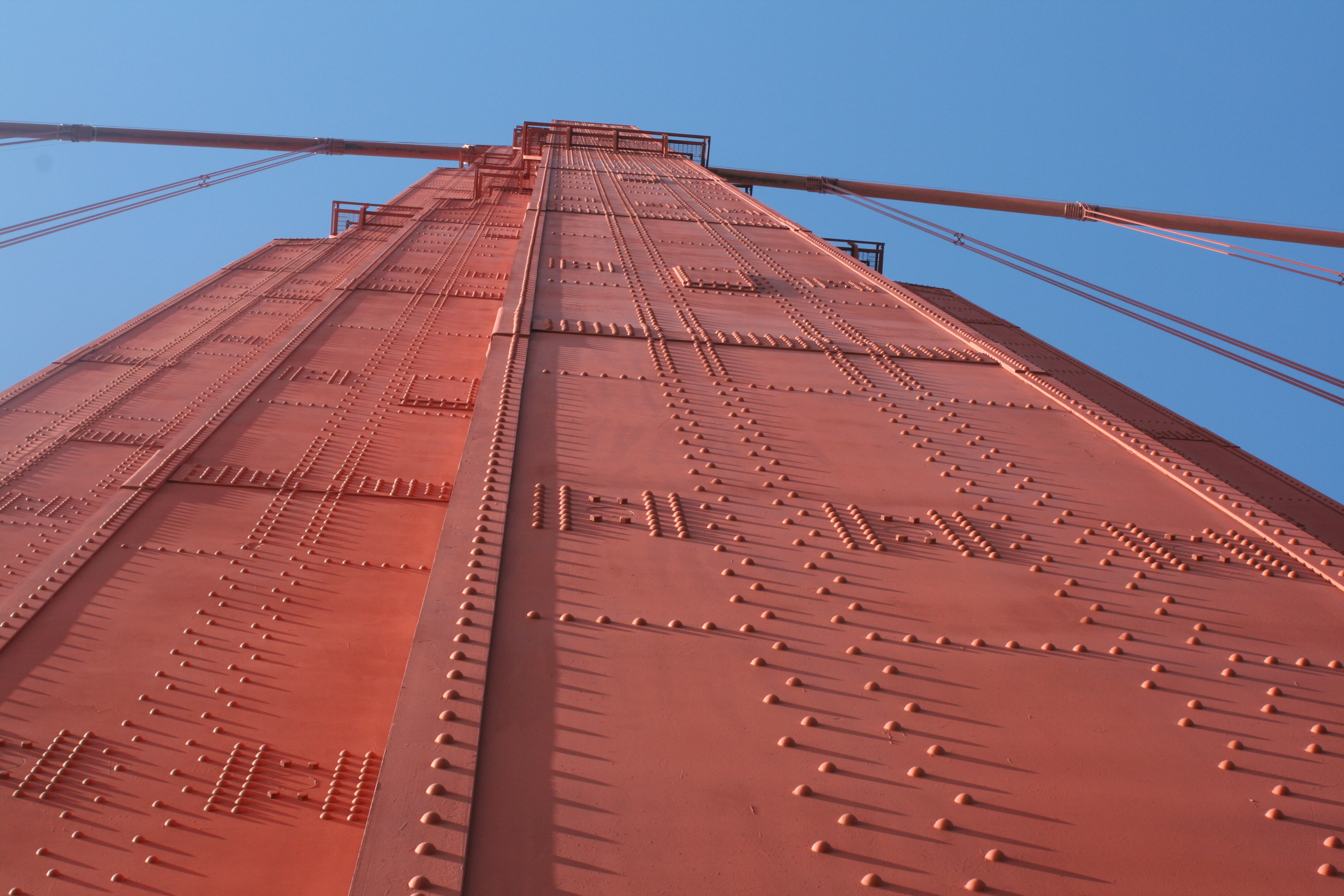
In between piggy back rides, we tried to count the tower’s rivets (600,000 in each tower) and gazed at the ocean.

We took photos of the towers, Alcatraz, and the boats, enjoying the sun on our faces on this 55-degree winter day. We thought of my sister’s family who did the walk in July on a foggy, windy day wearing winter jackets and wool hats and knew how lucky we were.

About an hour later, we were on the other side and ready for lunch just down the road at Crissy Field’s Warming Hut. For details on getting to the bridge, click here. For information about the bridge, click here.

Trip taken December 2009.

Exploring Amherst

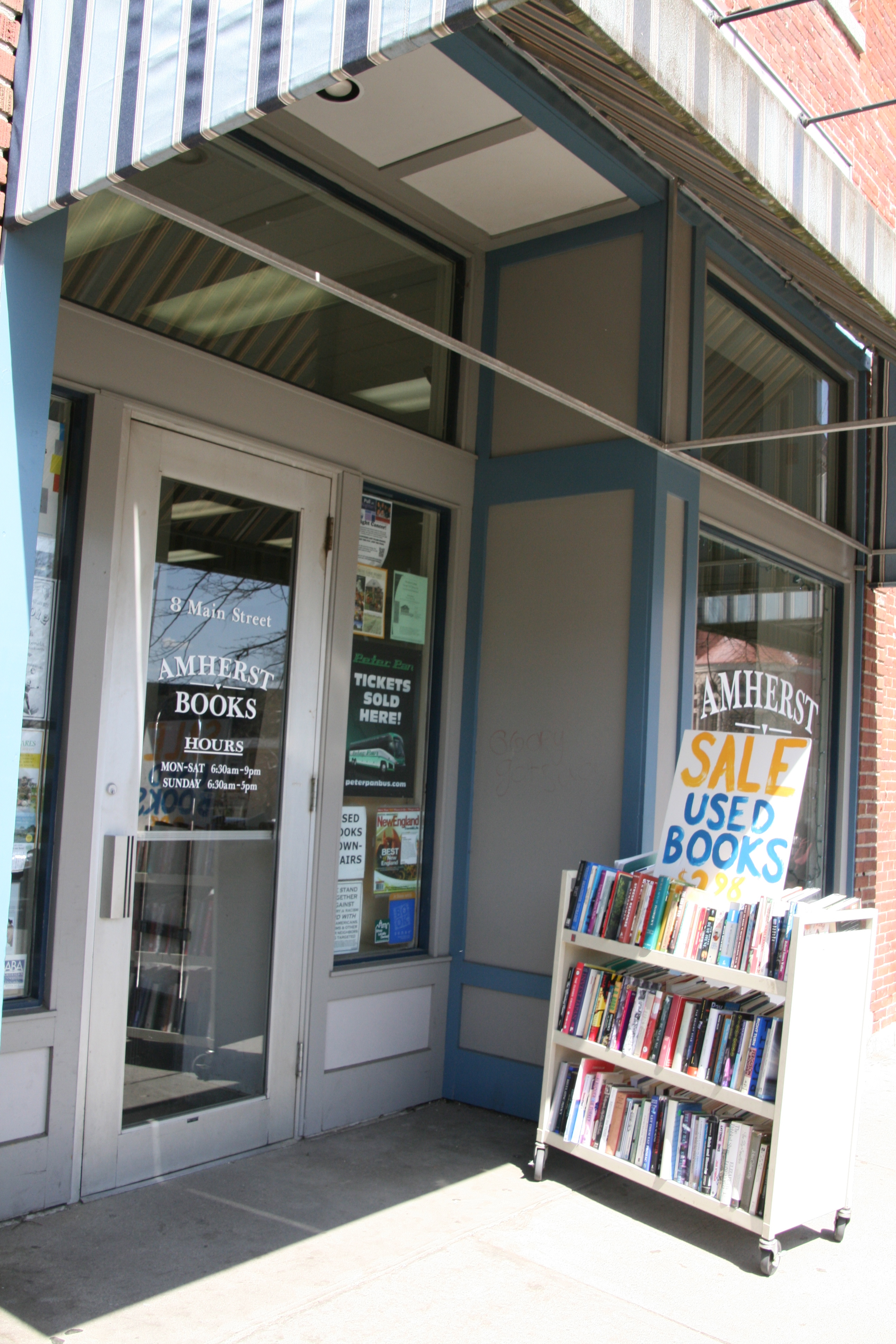
We explored Amherst the other day, my kids and I. It was school vacation, and equipped with directions, a map, and gluten-free food recommendations from the internet, we set off, arriving in the town of Amherst around 11 a.m.

With its white outlined brick buildings, tree lined streets, abundance of colleges (there are five nearby), eateries, and bookstores, it’s easy to see why the town of Amherst has been voted one of the best college towns in  the U.S. more than once.

After parking in front of Amherst College’s gym, we checked in at the Robsham Memorial Center for Visitors before wandering around the private school’s 1000-acre campus. Few of the college’s 1800 students were around (where were they? At lunch? In class?), and my voice echoed outside between the buildings. The grass was green, the grounds immaculate, the buildings stately, the school quiet.

A mile up the road we found the lunch place I’d read about, The Loose Goose. We each chose a different sandwich (from hummus and avocado to turkey and bacon) on a different type of bread (French baguette, ciabatta roll, and even gluten-free sandwich bread) before exploring a few of the shops down the street.

After an ice cream at Bart’s, it was time for our 2:30 tour of UMass.

The University of Massachusetts 1,450-acre campus was bustling, and people were everywhere. Only a short distance from Amherst College and only one and a half times its acreage, UMass’s total student population is over 27,500. We joined a tour of 50 other parents and teens and explored the campus with its variety of architecture, from quaint New England brick buildings to the new 26-story library.

We learned that students at any of the five area colleges, Smith College, Mt. Holyoke College, and Hampshire College, in addition to UMass and Amherst College, can take classes at any of the other schools. Even men can take classes at the all-women schools of Mt. Holyoke and Smith.

We didn’t make it to nearby Northhampton or to any of the other campuses, but instead headed home, our first impression of Amherst, and especially UMass, a good one.

Trip Taken April 2012

How Do You Make History Come Alive for a Teen?

I pondered that question one spring as my family planned a trip to Gettysburg. Here’s what worked for us, including a 12-year old girl and a 14-year old boy.

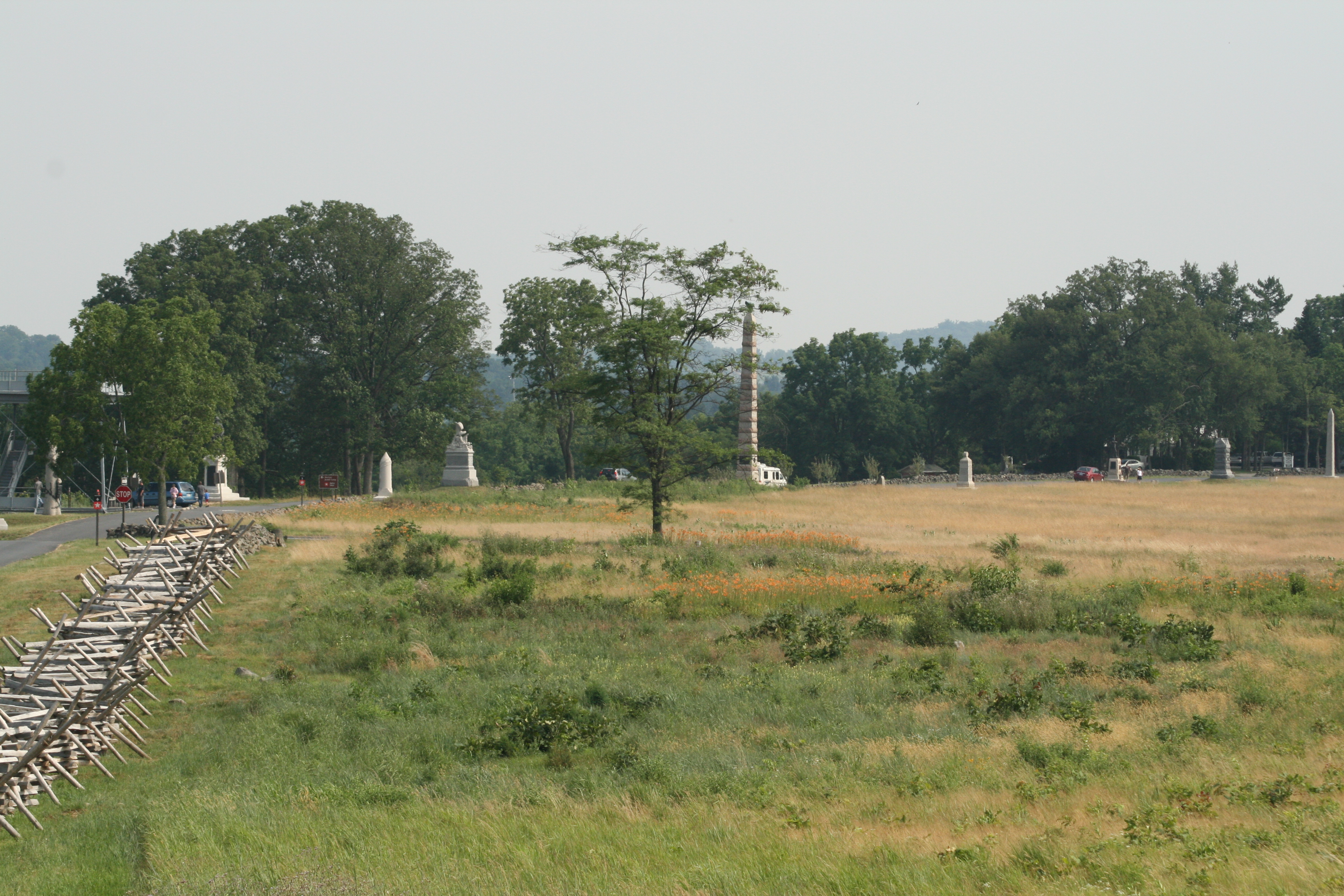
Find at least one book or movie that is age appropriate and relevant to your destination. After reading Michael Shaara’s book, “Killer Angels,” I rented the movie, “Gettysburg.” Filmed onsite, the movie is engaging and not too graphic, rated PG. We all watched it and found ourselves especially interested in the location of the Little Round Top, one of the battles on which the movie focuses.

Check out the area for information on special events. While reading about a local cultural fair, I discovered that a 5K road race, the Spirit of Gettysburg, was scheduled to take place on our first morning in town. Upon entering Gettysburg the night before, we drove right to the school to pick up our race packets. Besides giving us something to do, participating in the event provided us with our own pre tour of the place as well as an insight into part of the community. We left the race with a souvenir t-shirt and coupons to local restaurants.

Consider the weather. Bicycle tours of Gettysburg exist for families, and camping is available as well. Since we planned our trip for the summer, we opted for the air conditioned car tour and the hotel with the pool.

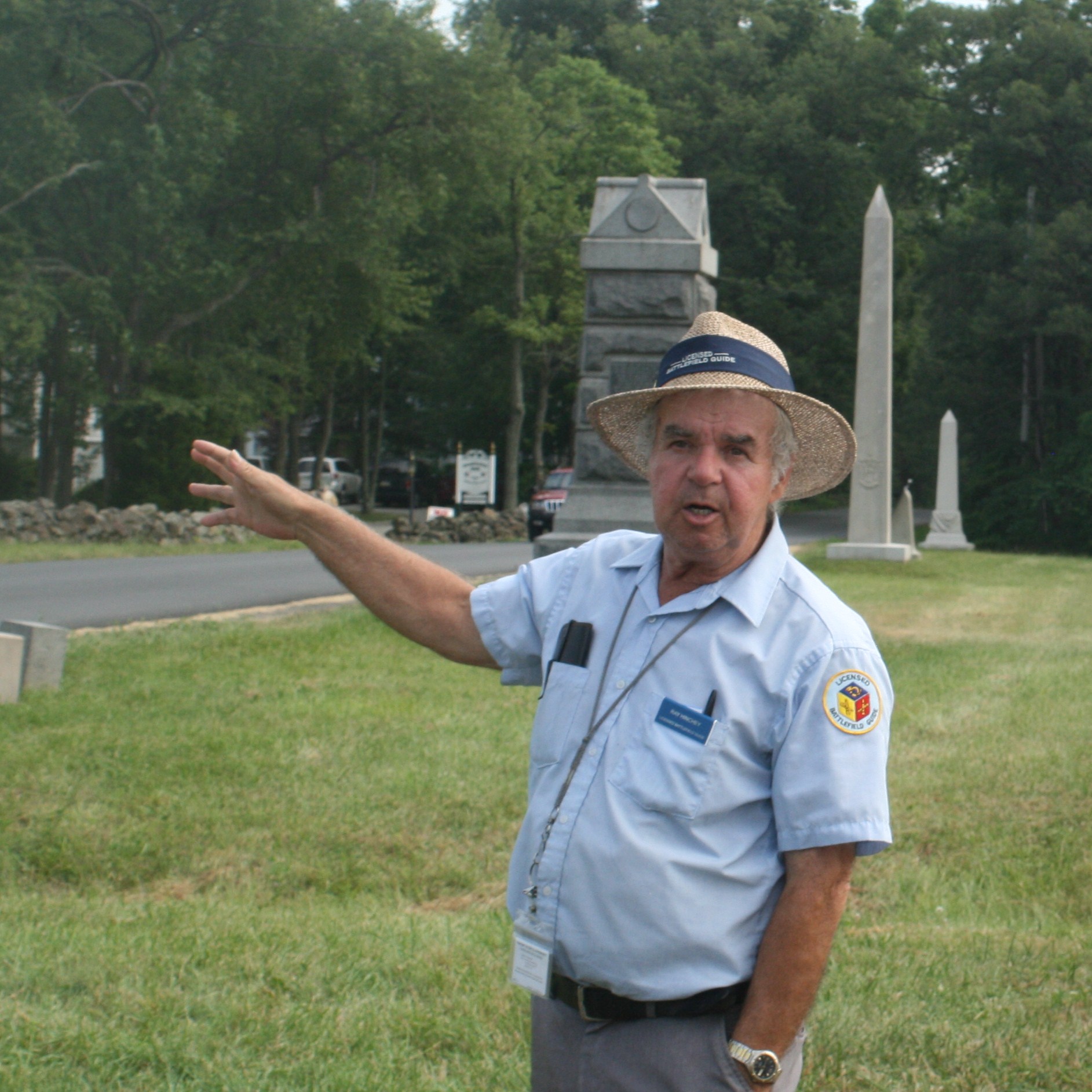
Look for child friendly tours or activities. We chose to hire a licensed tour guide through the National Park Service. For $55, Harry, a retired high school history teacher, rode with us in our car, telling us stories about the various monuments and providing us with an interactive education of the area. We read the park’s newspaper and chose a ranger led talk all about the Little Big Top battle. We saw the site of the battle and the ranger referred to the movie and showed us where specific historical events took place.

Bring in a local or familial angle. With a little research, we discovered that our kids have at least three ancestors who fought at Gettysburg, one great grandfather and two great, great grandfathers. We read aloud letters from my son’s namesake the night before we left. At the visitor center, we spent time on the park’s computers, exploring databases and finding all three ancestors.

Souvenirs. Be sure to allow time to explore gift shops. Consider giving your child a set amount of money in advance so they can choose what they want to buy rather than continually asking you for money.

Gage the family mood. Allow some flexibility in your itinerary. If everyone is tired of museums, take a break. Go for a swim, get an ice cream or take a walk or a nap. If you’ve all seen enough, it’s ok to leave before you planned to. Although we’d planned to stay three nights in Gettysburg and check out the following morning, after two full days of learning and intense heat and humidity, we decided to move on at the end of the second day. We were not charged by the hotel, and we left all wanting to return another day.

Trip Taken July 2010

From Poppies to a Banana Slug

After hiking along the exposed trail where California poppies dotted the hills of Mt. Tamalpais and the views of the coastline blended into the foggy sky, we entered a world of green. The colors of lichen, sage, eucalyptus, and moss layered and interlaced, accented by the rich reds of the redwood and the yellowish green of the banana slug.

While my daughter chose a cultural experience, a trip to the San Francisco Museum of Modern Art with her aunt and cousin, my son and I chose a natural one. With sneakers and windbreakers, he and I headed down the Dipsea trail from Mt. Tam’s Pantoll Ranger Station for a 4-mile hike.

We walked quickly, stopping only to take photographs or to take in a view. The trail was soft and mostly free of obstacles, unlike northeast trails where tree roots threaten to trip the unsuspecting walker. We neared the creek and crossed a bridge where the Steep Ravine trail sign took us right, away from the ocean and meandered along a creek.

Our guide book had touted the Steep Ravine trail as perhaps the most beautiful trail in California, I was ready to agree. Lush in colors and sounds, the trail is both peaceful and mystical. We encountered redwoods and fiddleheads, rocks and waterfalls and spider webs. Every so often, a hiker or two appeared from around the corner, passing us by.

We crossed another bigger bridge back to the other side of the creek before reaching a ladder. With its 14 plus rungs, the wooden ladder was slippery but stable. We climbed out of the dense greenness away from the creek knowing the end of the trail was near, and our hike was almost over. As we zigzagged up the side of the hill, we stopped to say hello to a banana slug. It raised its head toward us, as if to say good-bye.

For information on Mt. Tam hikes, go to the www.mttam.net, the Mt. Tamalpais Interpretive Association website, or visit the state park website.

Trip taken in April 2011

Hopping the Pools at Muir Beach

Hugging  the damp and slippery rock, I stepped carefully on its narrow ridge, avoiding the crashing shallow waves beneath my feet. Only three steps and I was safe; I jumped onto the dry sand and squinted. The tide was low at Muir Beach where Redwood Creek separated the tide pools from the main beach.

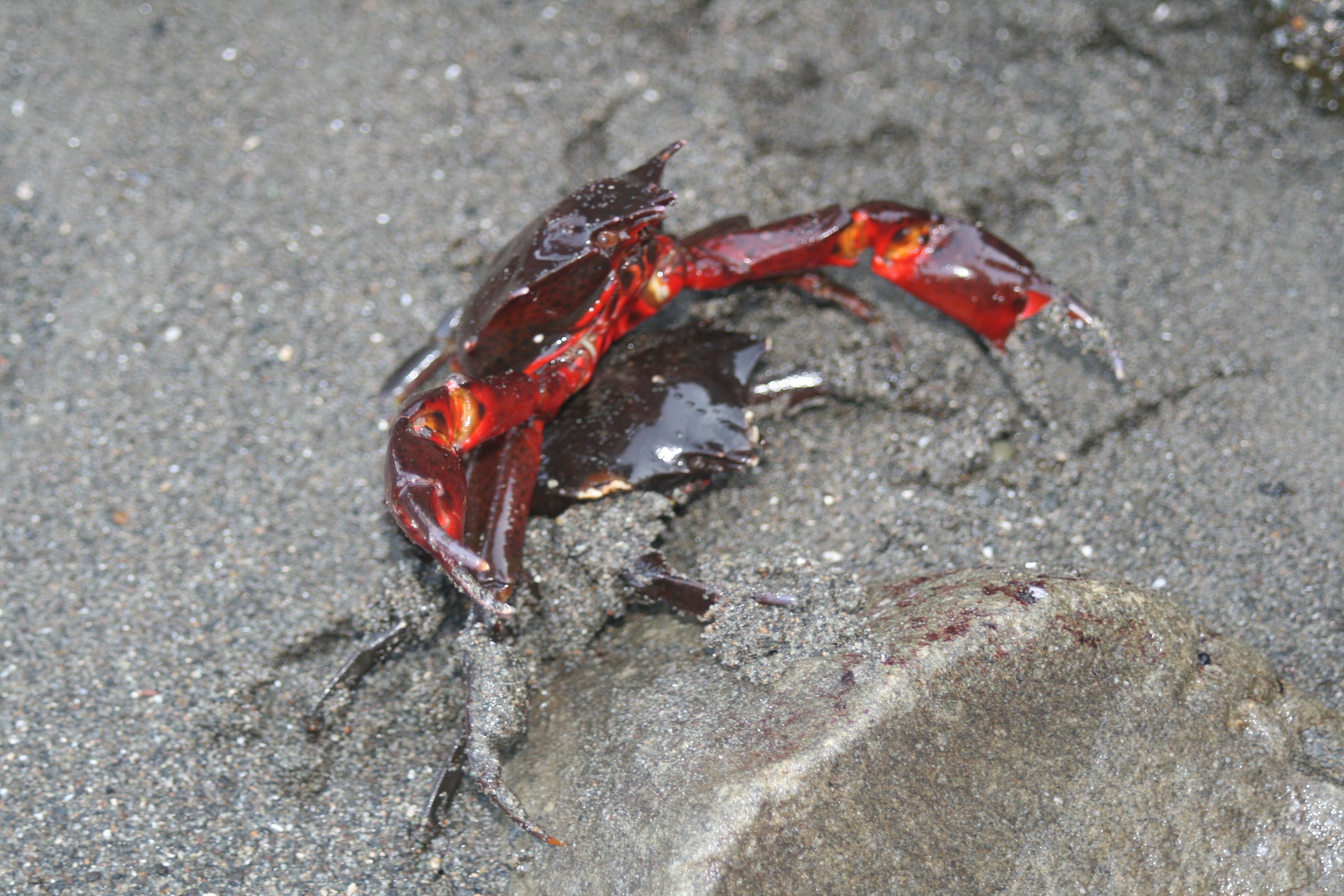
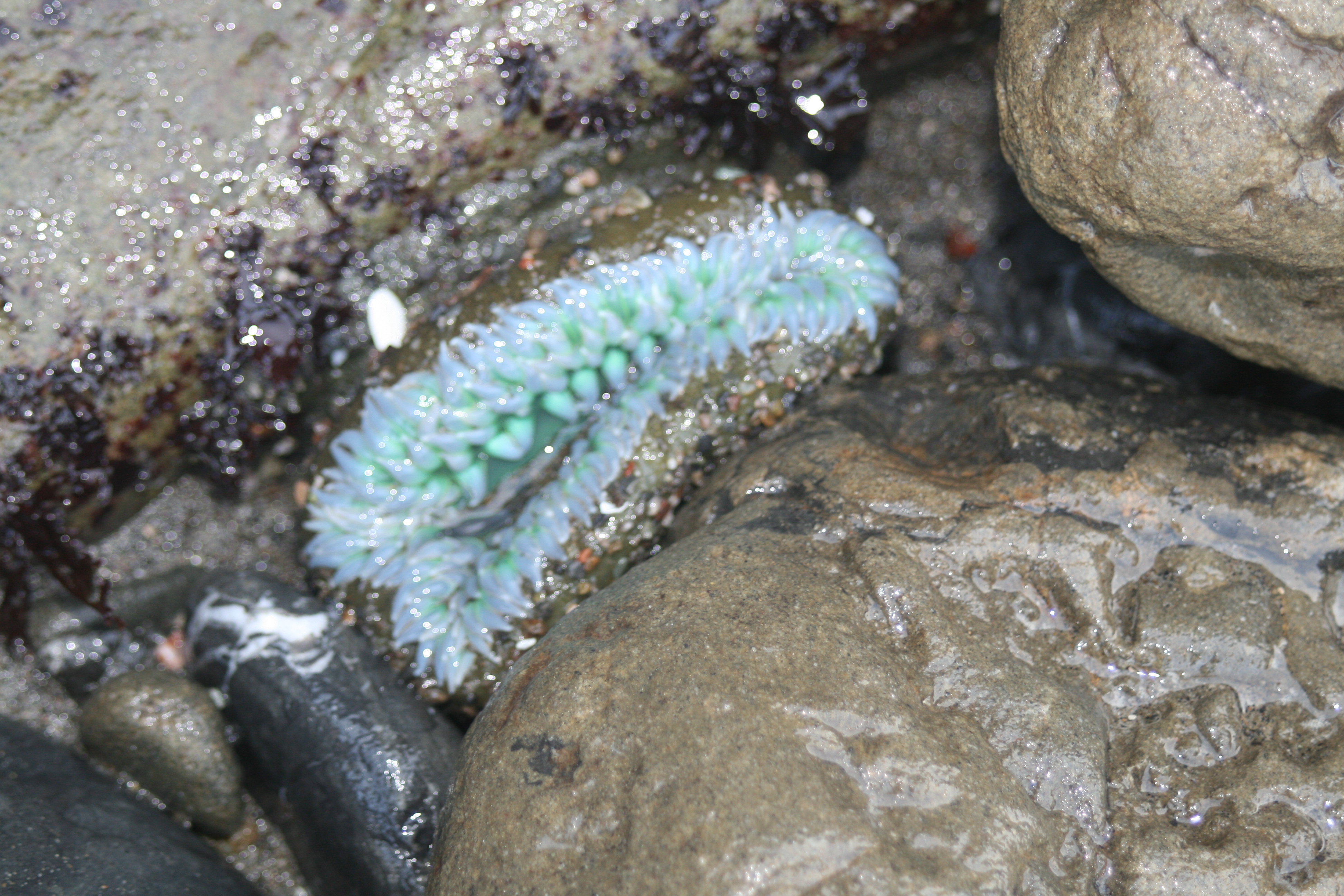
We hopped between pools of salt water among the rocks, searching for treasures of sea life. As we gazed, rewarded more often than not, sudden waves threatened to soak us with their sprays. Blues and reds, starfish and sea anemones and crabs held our fascination. We pointed and laughed and danced among the rocks before climbing the slippery trail back to safety, away from the crashing and encroaching sea.

We hadn’t planned on a visit to Muir Beach that day, but the parking lot at Muir Woods was full and as we drove down the road looking for a place to park, we continued nearer and nearer to the beach. It was the Sunday after Christmas, the sun was out and the temperature was in the 50s.

Now with wet jeans and shoes, we left the beach for the Pelican Inn. With its Tudor style building, its long wooden tables and fireplace, the Pelican Inn offers a British respite from the fog and trees and beach. We sat at the tables, laughing and sharing stories over pints of ale and mugs of hot cider, a sampling of cheese, apples, and a plate of chips before arriving at Muir Woods at dusk.

The giant redwoods loomed bigger in the dimming light. The salmon weren’t spawning, but the crowds were gone, and the woods were still. We walked quickly along the paved paths, smelling the damp mossy air, the blend of bay leaves and pine and bark, reveling in the magnitude and majesty of the trees, before leaving just as the rangers locked the gate behind us.

Trip Taken December 2009

Earthy Luxury in New York

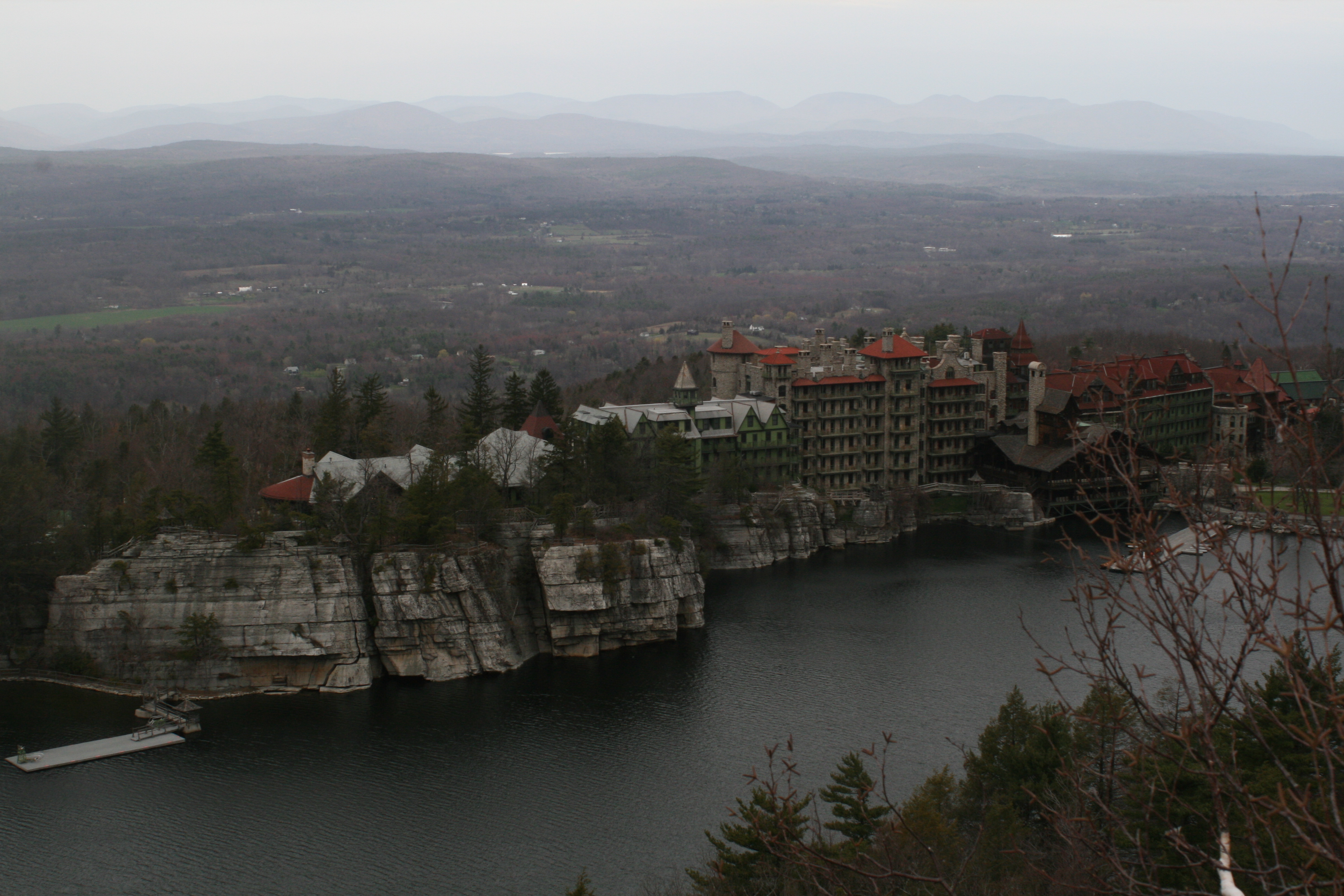
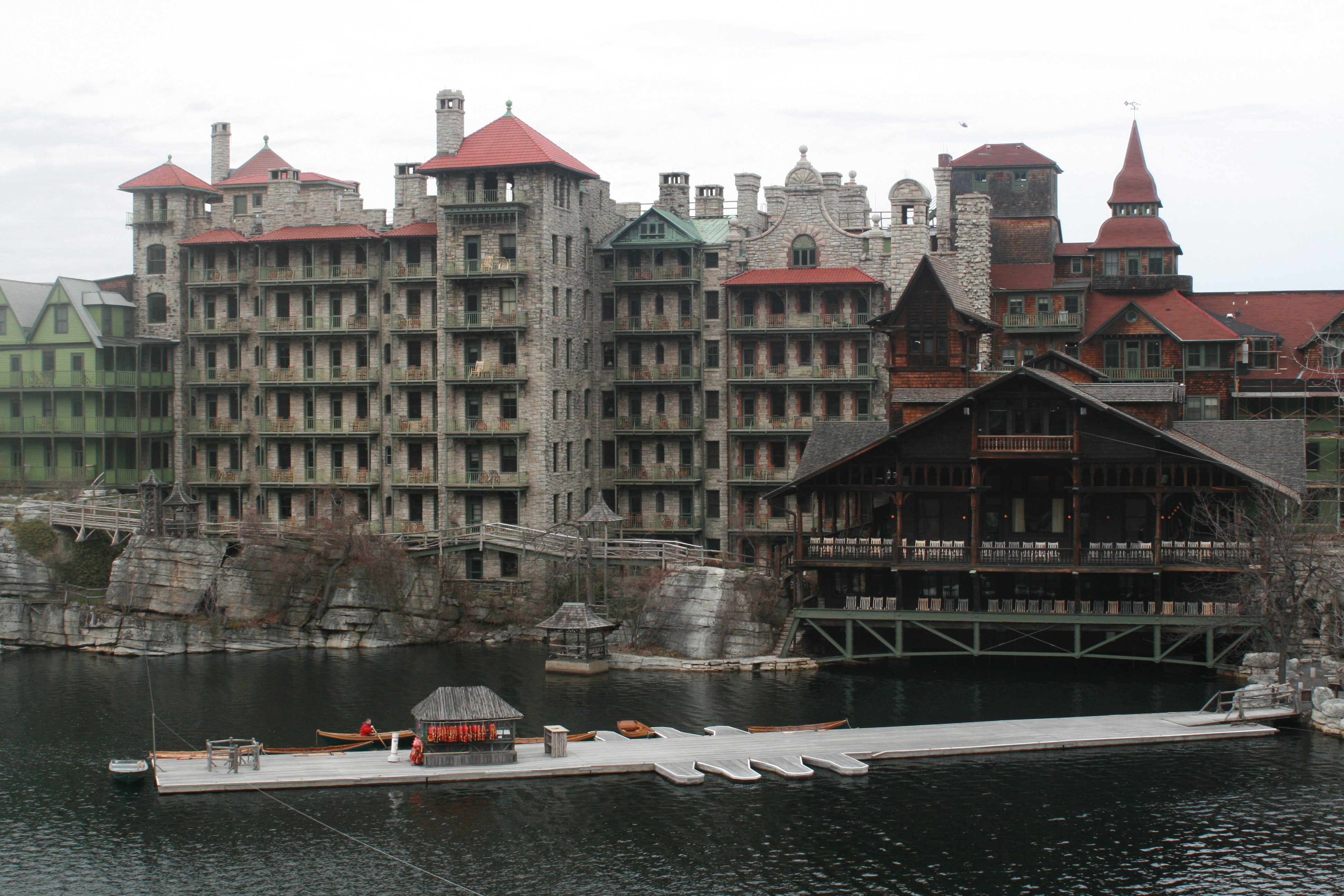
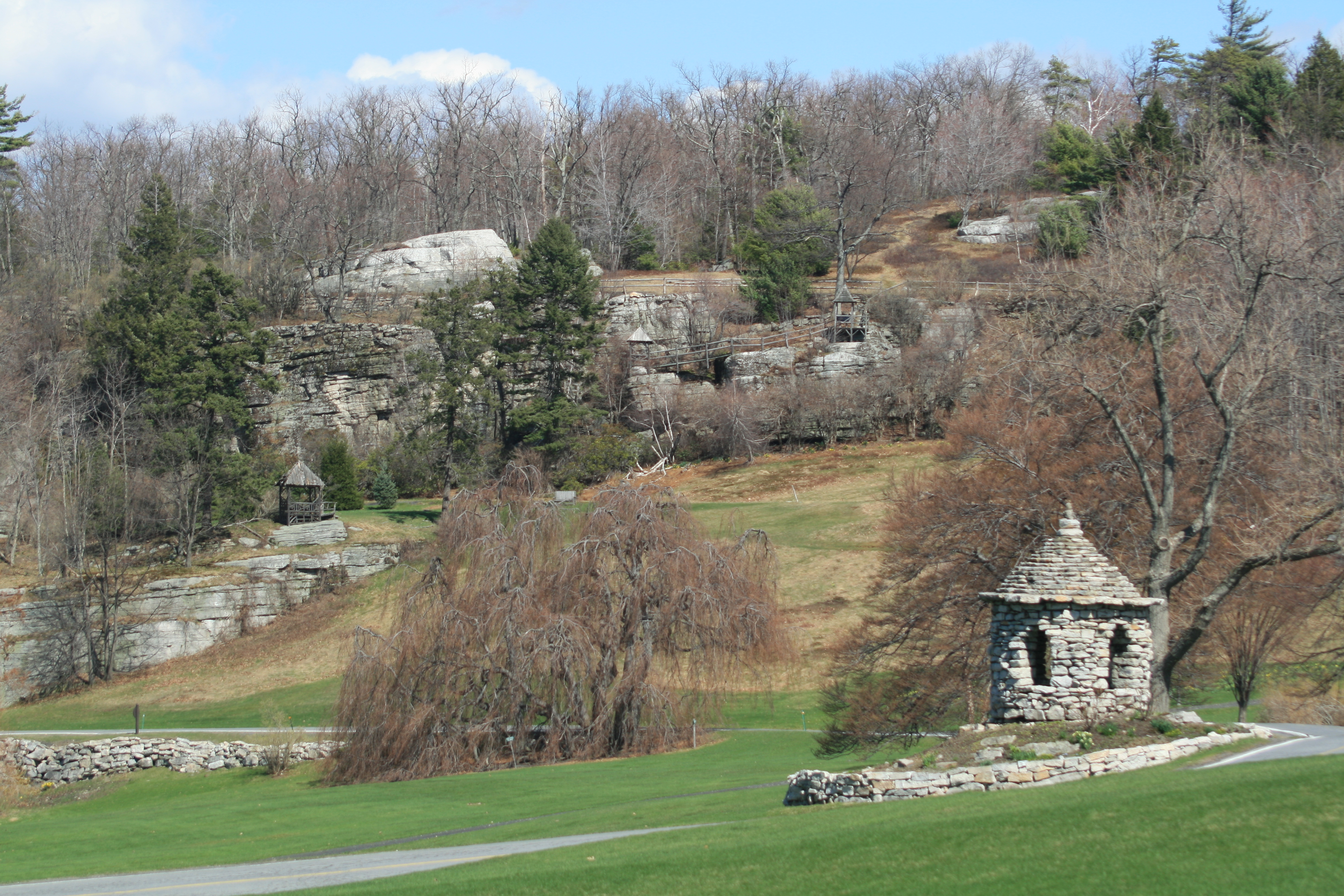
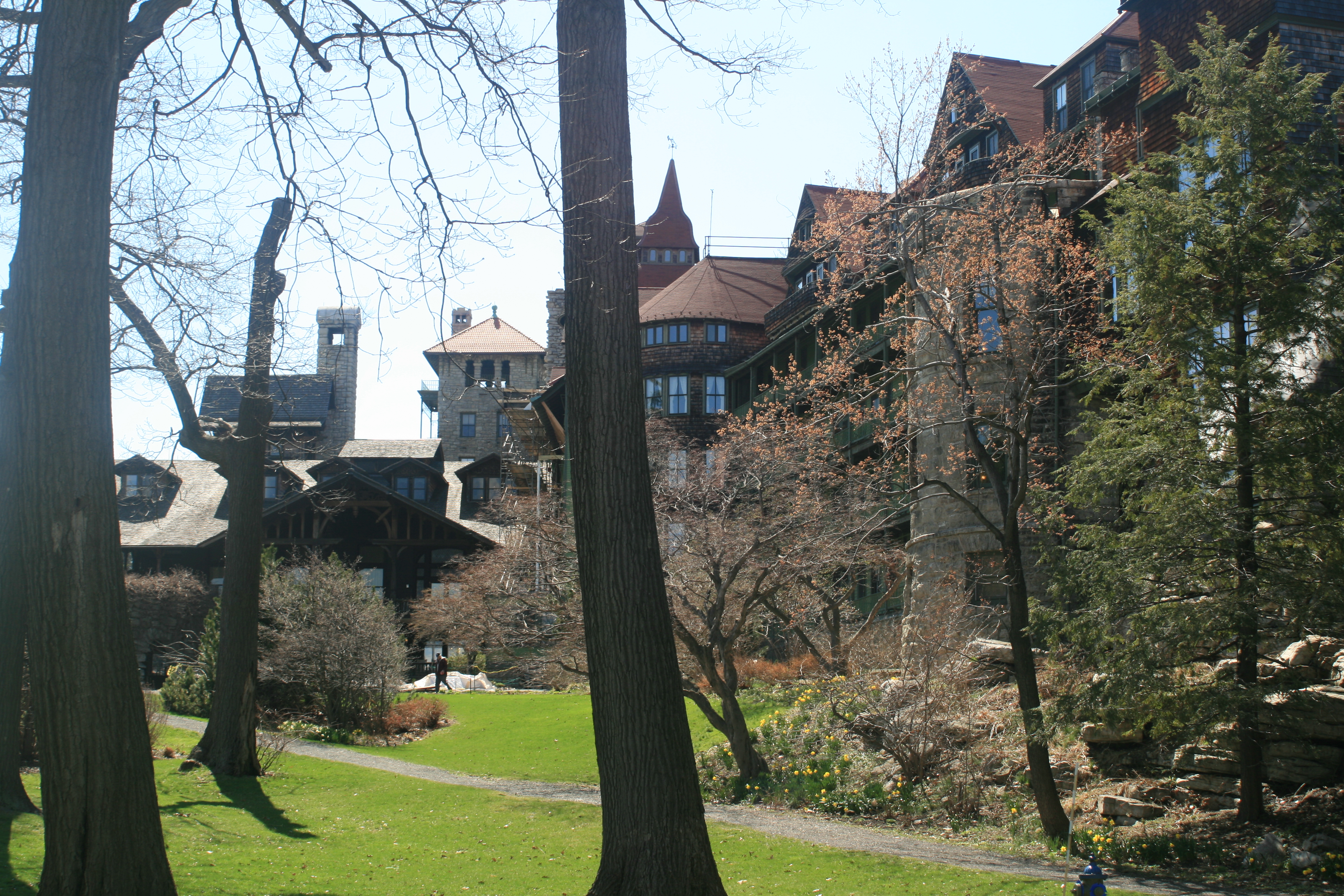
Confirming our reservation at the gate, we continued the drive up the hill, passing trails and a greenhouse, a putting green and horse barn before reaching the actual hotel. Made of wood and stone, the building is majestic in an earthy way; its turrets and balconies and chimneys adding to its character. We were staying at Mohonk Mountain House, a resort located in the Hudson Valley near the town of New Paltz, 90 miles north of New York City.

Mohonk Mountain House was first built in 1870 by the Smiley brothers who were excited to find a lake on top of the mountain. They bought the property and immediately built the first rendition of the resort. Future additions eventually increased the number of rooms to over 250 on six floors, most with their own balconies and fireplaces.

The building meanders, its unsymmetrical chimneys looking like a child’s Lego-made tower, its height and silhouette reminding me of sand dripped castles at the beach.

We left our car and our luggage (I needed two bags to carry all my required gear and clothing) and followed the valet’s directions to the lobby and check-in.

Our room was small but charming. With a king size bed, a bureau and desk, a fireplace complete with firestarter and logs, our own private balcony and bath, what more could we need? We got lost in the long hallways with their nooks and uneven floors leading us to stairs and elevators, the spa one direction, the dining room the other.

With a rounded glassed-in view of the Catskills, the dining room has several two-person tables along its windows. We sat one table back from the window, still able to enjoy the view, and sampled some of the many options in Friday night’s seafood buffet. Shrimp scampi, clam chowder, bouillabaisse, oysters on the half shell, scallops, and clams as well as beef tenderloin and a chicken curry were available. There were vegetarian, vegan, and gluten-free choices, salads, a dried fruit and cheese platter, and an assortment of desserts. We had a buffet lunch on Saturday and a buffet brunch on Sunday. Saturday night was a sit-down dinner.

Besides eating, there were so many things to do. We could row the boats, attend yoga or aerobic sessions, swim in the Olympic size pool, hike the trails, and ride the mountain bikes. For a little more, we could putt the green, ride a horse or get a massage. Summertime adds a beach with swimming, fishing, and other boating options. Winter adds potential cross country skiing and ice skating at its outdoor skating rink with large stone fireplace.

As it rained and was in the 40s our only full day, too cool for the winter activities and too warm for the summer ones, we elected to swim laps in the indoor pool before getting a massage and enjoying the outdoor stone mineral bath. Sunday we enjoyed a hike and yoga before brunch and check out. The sun came out too, but it was time to go. We drove away, hoping to return some day for a longer, warmer stay, maybe even with the kids.

Trip Taken April 2011

Where Are We Going?

It was a mystery. My husband planned a weekend away for the two of us, without the kids, to celebrate our 20th wedding anniversary, but he wouldn’t tell me where we were going. “It’s a surprise,” he said and gave me the following instructions: “Bring a bathing suit, a nice dress for dinner, clothes to hike, bike and exercise in, and dress nice for when we arrive.”

Since it was only for a weekend, and we live in New England, I was able to narrow it down a little. Another clue: the climate would be similar to our home near Boston. It was mid April so I planned accordingly, wondering if we were heading north to Maine,Vermont or Quebec, west to Lenox or somewhere in the Berkshires or south to Connecticut or Rhode Island or even New York City.

We left at 1 p.m., right on schedule and took a left out of the driveway eliminating the northern choices. As we drove, he kept the map hidden.

Have you ever been surprised? Usually I find the anticipation can be more fun and exciting than the actual event itself, but since I didn’t know where I was going, and the roads kept changing, the options narrowing, and the hours increasing, I began to find the mystery a little frustrating. As my voice expressed incredulity as we passed yet another option, and I asked, emphasis on the where, “Where are we going?” My husband laughed. “This is more fun than I thought it would be,” he said.

In New York, the grass was greener than at home. Mountains appeared to our right; his answer to my question confirmed their identity, “The Catskills.” As the roads became smaller with several twists and turns, he was forced to have me navigate. But there was no “Aha!” By this time I knew I was in New York and near the Catskills, and I knew we were going some place new, to a place I had never been or even heard of before.

We drove by stone walls and through small colorful towns where buildings on the main streets were painted a variety of bright colors as they paralleled a river. We saw signs for SUNY (State University New York) New Paltz and double backed after taking a wrong turn and up and away from the Catskills toward the Shawangunk Mountains (aka The Gunks) eventually turning up a hill toward Mohonk Mountain House, our destination for the weekend.

Trip Taken April 2011

Ducks in a Tree

Have you ever seen a duck in a tree? Or penguins on the beach or an ostrich by the side of the road? Have you ever felt the winds of a Southeaster? On the west coast of South Africa we experienced all as we made our way to the Cape of Good Hope, not the southern most tip of Africa.

In South Africa’s winter, we experienced a “Southeaster” as we were blown by Cape Town gusts at least 60 miles per hour on our first afternoon in Cape Town. We walked along Sea Point’s ocean front promenade, the sun warm but the winds strong.

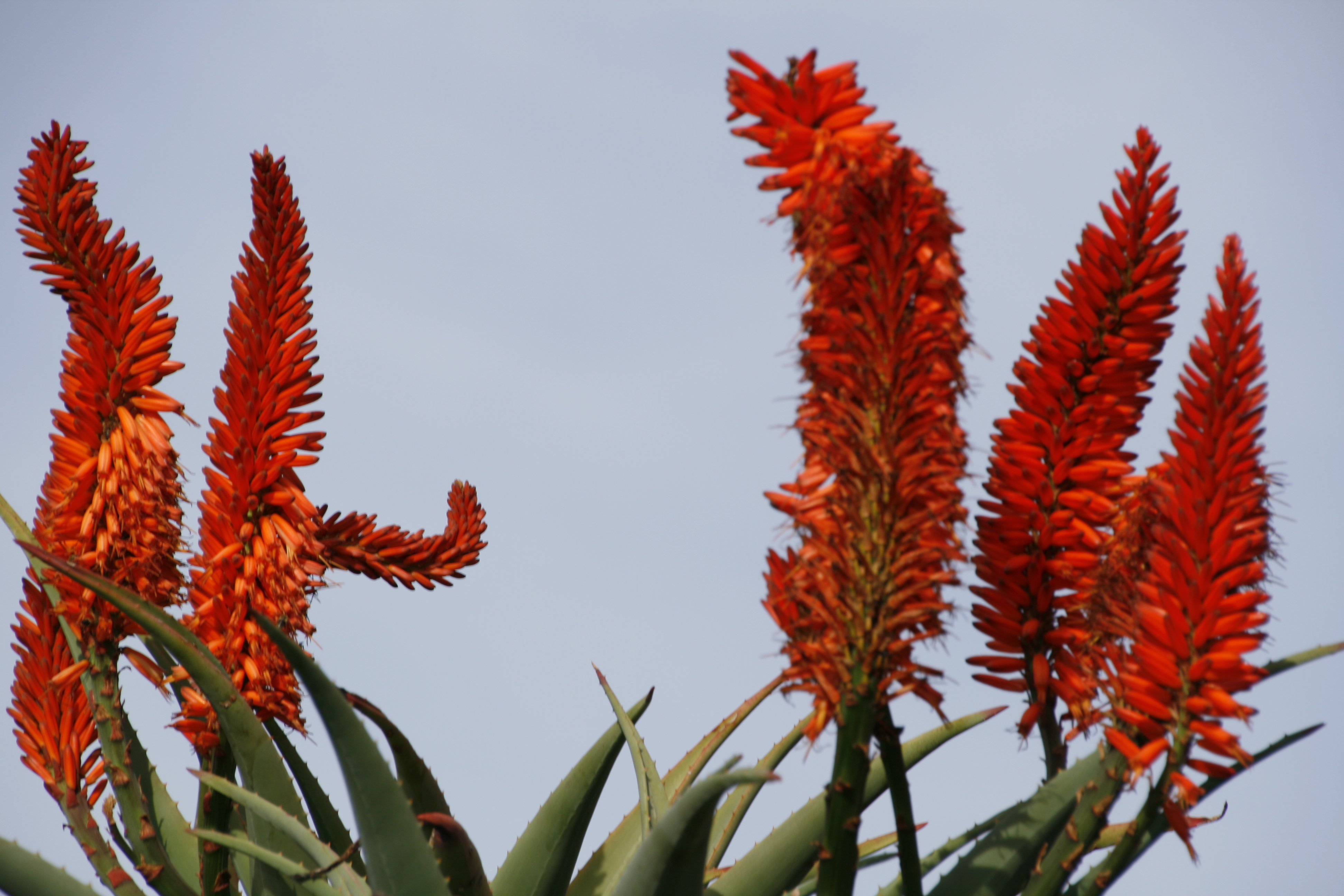
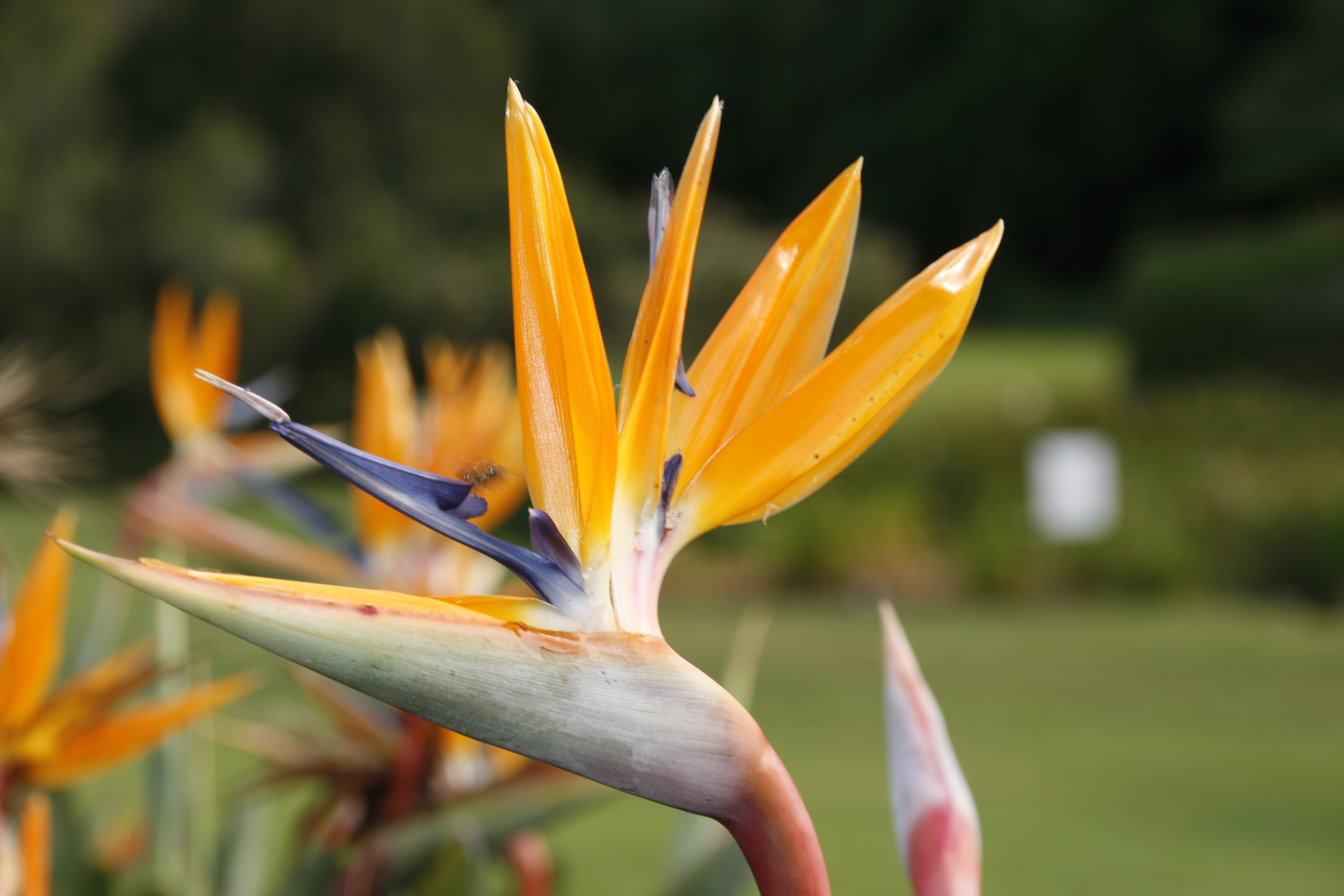
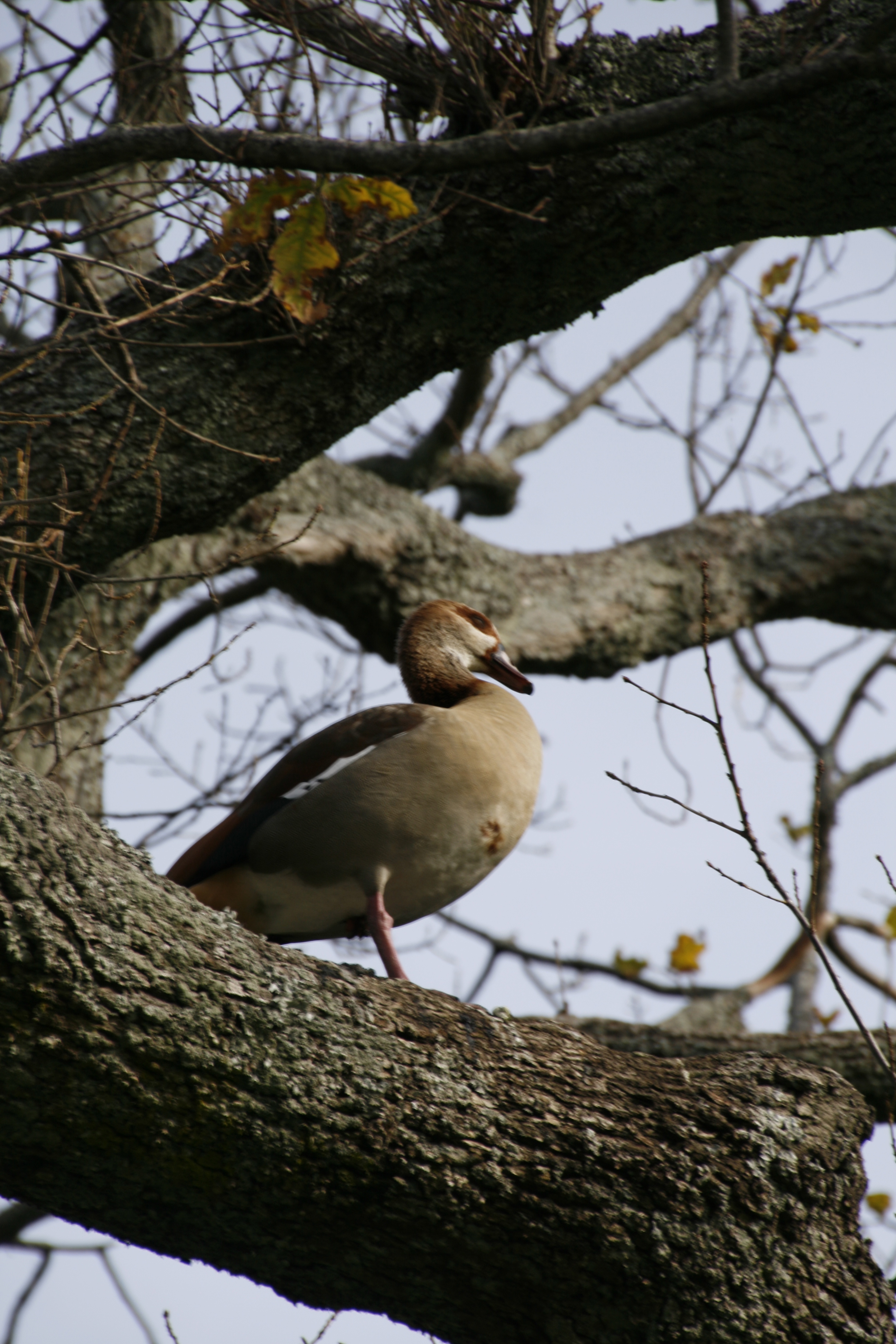
We meandered the paths of Cape Town’s Kirstenbosch Gardens, beautiful botanical gardens at the foot of Table Mountain, where we discovered grasses, bushes and flowers different from those on our own continent, aloe plants blossomed and ducks stood in trees.

Just south of Simon Town on our way to the Cape of Good Hope, we photographed penguins on the beach, wishing the sun was warmer so we could join them for a swim.

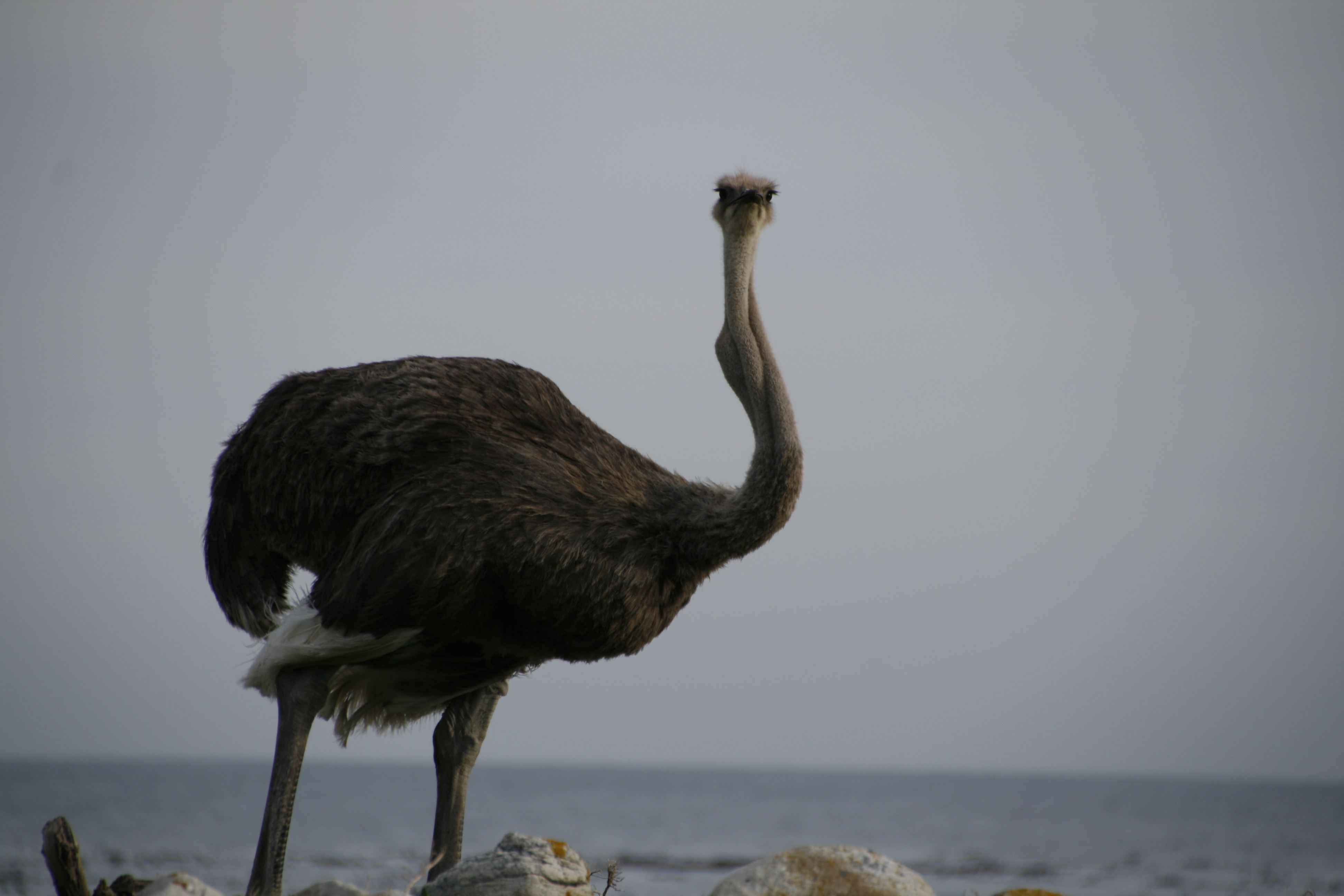
We greeted ostriches by the side of the road in Cape Point.

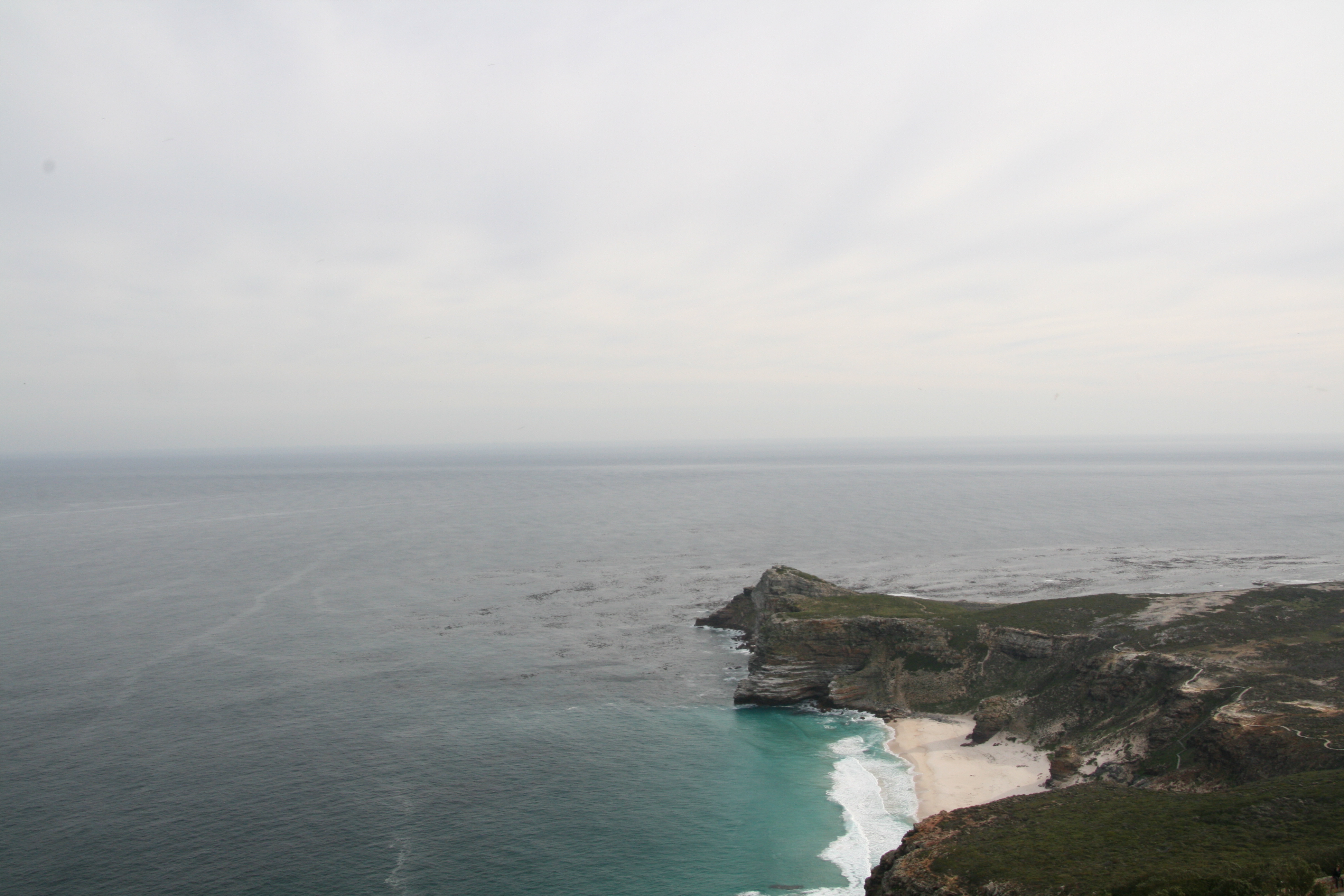
And we took photos of the Cape of Good Hope even though we learned it is not the southernmost point of Africa (Cape Agulhas located 90 miles east-southeast gets the honor).

Trip taken in August 2011.

Stalking Cats and Injured Lions

We found her in the tall grasses, moaning and crying out to her pride. She was injured and alone after the previous night’s hunt. She called again, but we heard no response. She endured our stares and the clicks of our cameras before slowly rising and moving to another place in the grass. We could see the gash on her left hind leg from the cape buffalo’s horn and noted how often she licked her lips.

We visited her twice that day, sad to see she hadn’t moved, wondering if she’d make it. Our ranger told us she was 14 years old and near the end of her life span (African lions live 13 to 25 years). That night we heard her cries answered by others, and when we encountered the lions on a game drive the next morning, there she was, moving slowly, but walking, following the other lions in her pride, her children (two female lions) and grandchildren (eight male cubs).

In the back of the open land rover, I watched the stalking cats and trotting cubs, obviously on the prowl, a herd of cape buffalo nearby. We drove quickly through the bush, trying to stay ahead of the lions, through acacia thorns and branches, and straight down a steep bank full of sticks, bushes, briars, thorns, and trees to the dry river bed. As we reached the sandy bottom, holding on tight as we twisted and turned, leaning the opposite way, we got stuck. Our wheels spun as we saw the lions chasing a buffalo and heard the kill. We sat tight in the vehicle, not daring to get out of the truck with lions so nearby.

After being pulled out of the sand by another land rover, we caught up to the cubs and their grandmother and photographed them hanging out, waiting for a signal from the two lionesses who’d made the kill. A few hundred feet away, we found the hunters at the beginning of their meal. We parked and sat still, except for the movement of our cameras, watching as the lions and later the cubs, tore open the belly of a young cape buffalo only a few feet away. We listened to the sounds of their teeth chewing through the hide and smelled the fermenting contents of the victim’s stomach. The lions ignored us, used to the dark green trucks and the silhouette of the people inside.

“Uh-oh,” one of the women in our vehicle said as the grandmother lion began walking straight toward us. But Moses, our ranger, wasn’t worried. “She’s just looking for shade,” he said. And, sure enough, she lay down in the shade our truck provided, only inches from the truck and the people in it.

We left her and the others, still enjoying their meal, and headed back to the water hole near the lodge reaching it just before a large herd of cape buffalo arrived and wallowed in the water, looking for a drink.

Videos on this post by Tommy Taft on trip taken in August 2011.