Bolts and Delayed Fireworks in Boston

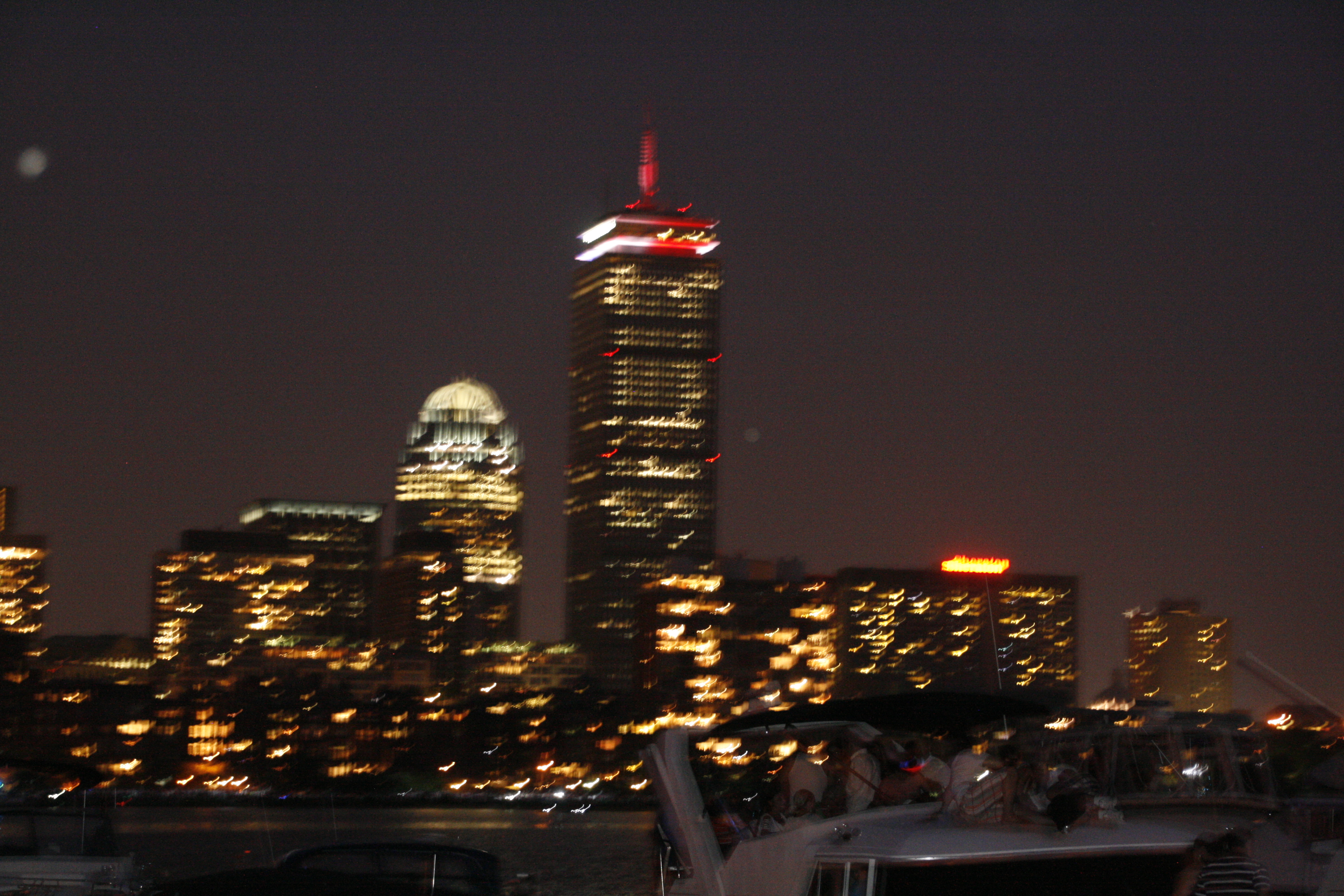
The sky was ablaze in Boston and Cambridge last night, with lightening bolts and cameras flashing while the moon rose. The late night sky was patriotic with the red shooting lights of flares, the red, white and blue lights on the Prudential Center, and fireworks appearing now and then above and beyond the Boston skyline.

Although thunderstorms were predicted all day, my family decided to take our chances and head into Cambridge to see the fireworks and to listen to the Boston Pops. Equipped with folding chairs, a picnic, blankets, games and books, we arrived around 3 p.m. and staked our claim next to the railing along Memorial Drive.
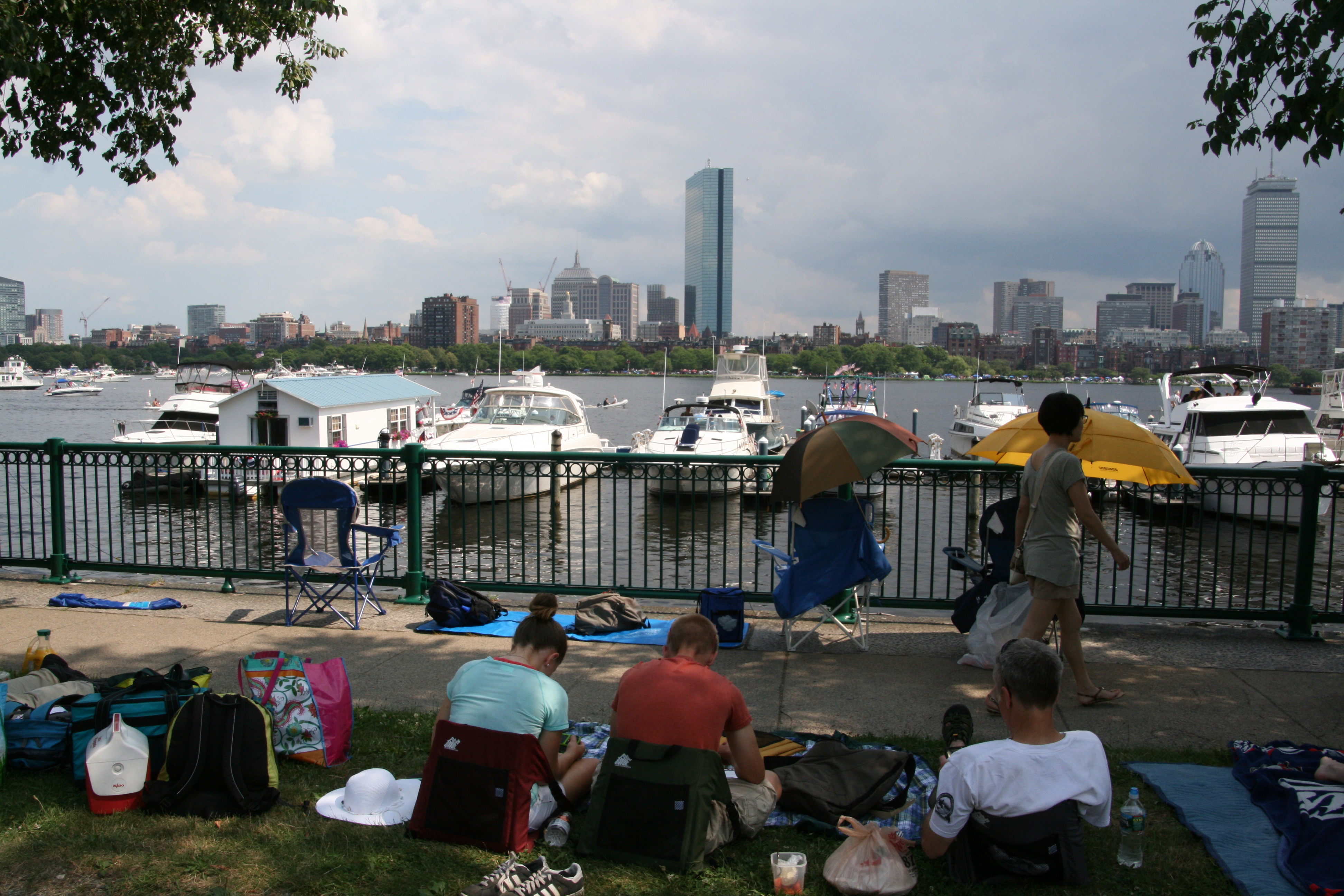
We were as close to the river as we could get without being on it and for the next several hours we hung out, chatting, people watching, meeting our 4th of July neighbors, playing games of Uno and Hearts. We read and ate and explored, amazed at all the state police and the people staking claim to bits of grass and pieces of sidewalk.

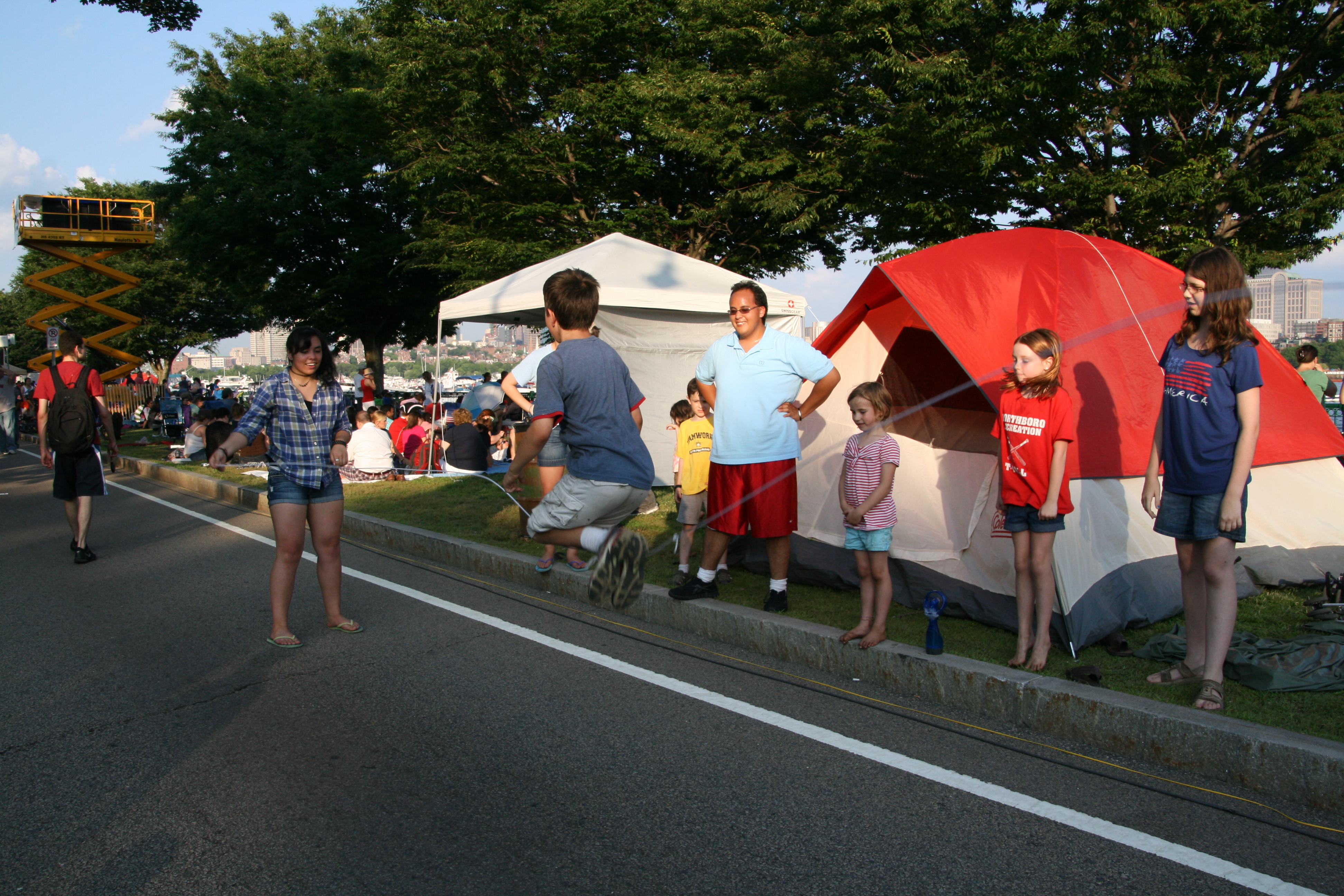
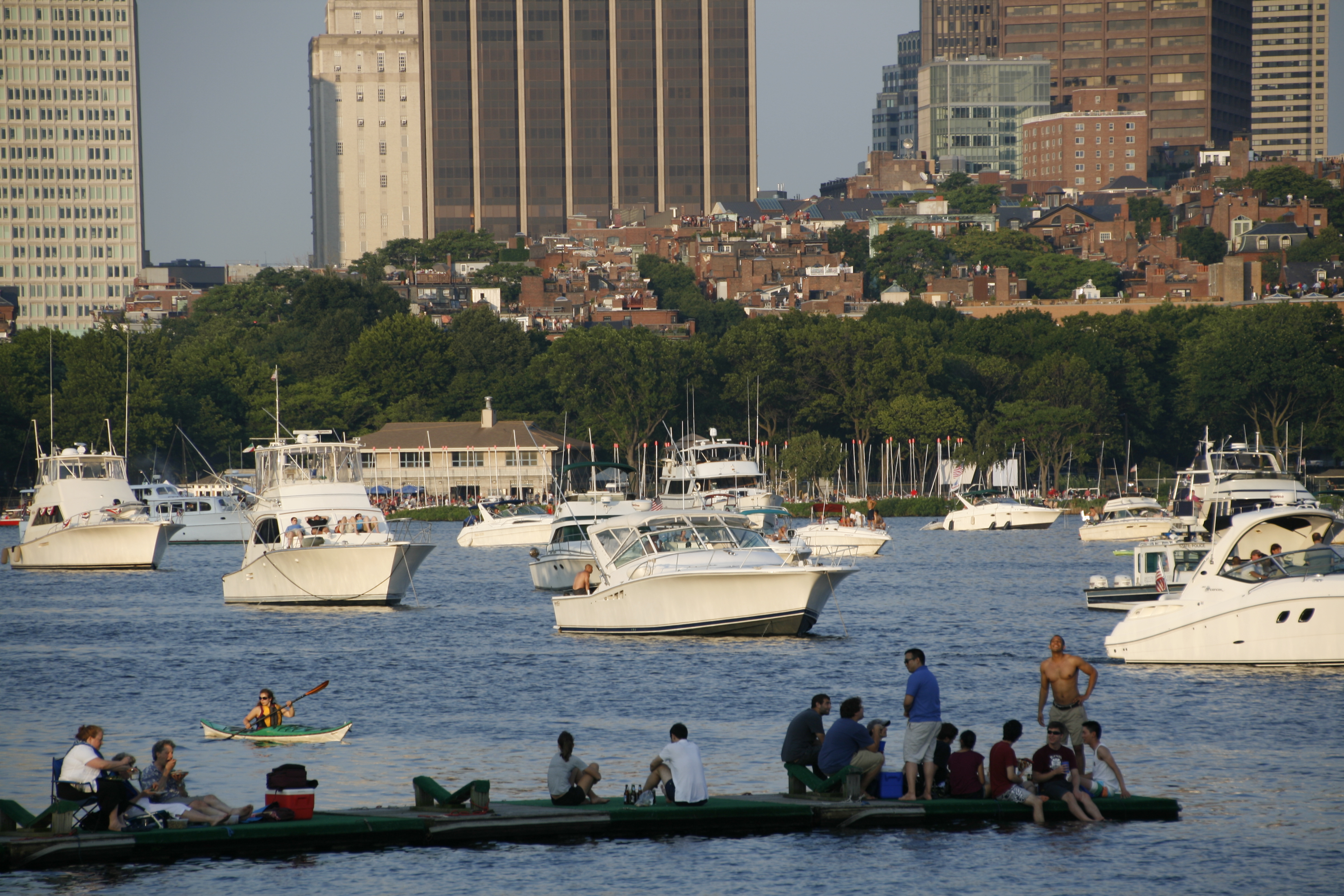
It was hot and muggy. Kids jumped off boats into the water (yes, they swam in the Charles River!), the event organizers allowed people to keep their tents up longer than usual (as late as 7:30 p.m.), and we bought root beer floats.

At 8:20 p.m., the concert began as scheduled with the “Star Spangled Banner” performed by the U.S. Navy Sea Chanters. From speakers along Memorial Drive, we heard the Pops perform “Olympic Fanfare” and the themes from “E.T.” and “Raiders of the Lost Ark” as lightening brightened the Cambridge skyline.
We listened to the Dropkick Murphys and Jennifer Hudson and to “Dancing Queen” by Mamma Mia vocalists, but we didn’t hear the “1812 Overture.” At 9:25 p.m., a public safety announcement asked us to take cover from the storm. Some did, but we didn’t, hoping the rain would never come.

Thirty minutes later, the rain still hadn’t arrived and the bolts had subsided. The Pops began to play, “Stars and Stripes Forever,” the last scheduled song on the program. People pushed up behind us, everyone eager to get the best view of the anticipated fireworks. Jennifer Hudson sang another song, and the U.S. Navy Sea Chanters sang a few patriotic songs before the music stopped.

After a long pause,  both the fireworks and the rain began. We leaned against the railing, ooohing and aaahing the fireworks between rain drops, kaleidoscope designs of every color and shape, hearts and boxes and shooting stars, the bang of each blast competing with the 4th of July playlist.

When the fireworks were over, my almost 16-year old son said the hours of waiting were worth it; we followed the masses to the T and back to our car.
Oink for Ice Cream

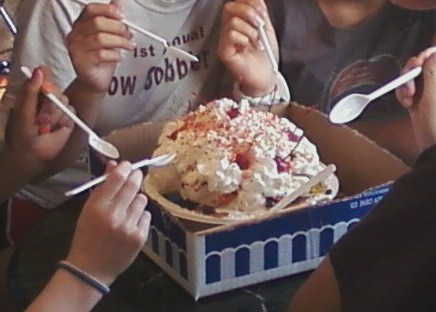
“Oink,” five 13-year olds said in unison, in eager anticipation. Over the counter, the bright eyed young woman’s face lit up. She clanged the bell and told her boss, “It’s an oink!”

Fingers pointed as mouths salivated, voices escalating with excitement and anticipation. Eyes watched the bowl of ice cream grow bigger with each request. Scoops of peppermint stick and coffee, bubblegum and mint, chocolate and vanilla, butter pecan and coconut, chocolate chip and peanut butter, strawberry and blackberry were drowned with hot fudge and butterscotch, sprinkled with candy, and squirted with whipped cream.

Five 13-year olds with five spoons perched around the small ice cream parlor sized table, hovering and tasting, slurping and swallowing, each determined to taste her favorite flavor. They laughed and giggled, jostled and cried out, as spoons reached across the table, and ice cream spilled and oozed melting stickiness and sweetness.

In minutes, it was gone. The bowl, the mess. The napkins and spoons thrown away. Only a few flavors lingering on messy lips; the experience eagerly anticipated now only a sweet memory and a hope for the next visit to the Vineyard. You can get an oink at Mad Martha’s Island Cafe, located on Martha’s Vineyard in Oak Bluffs, Edgartown, and Vineyard Haven.

Trip taken 2011.

Camping with Crocs

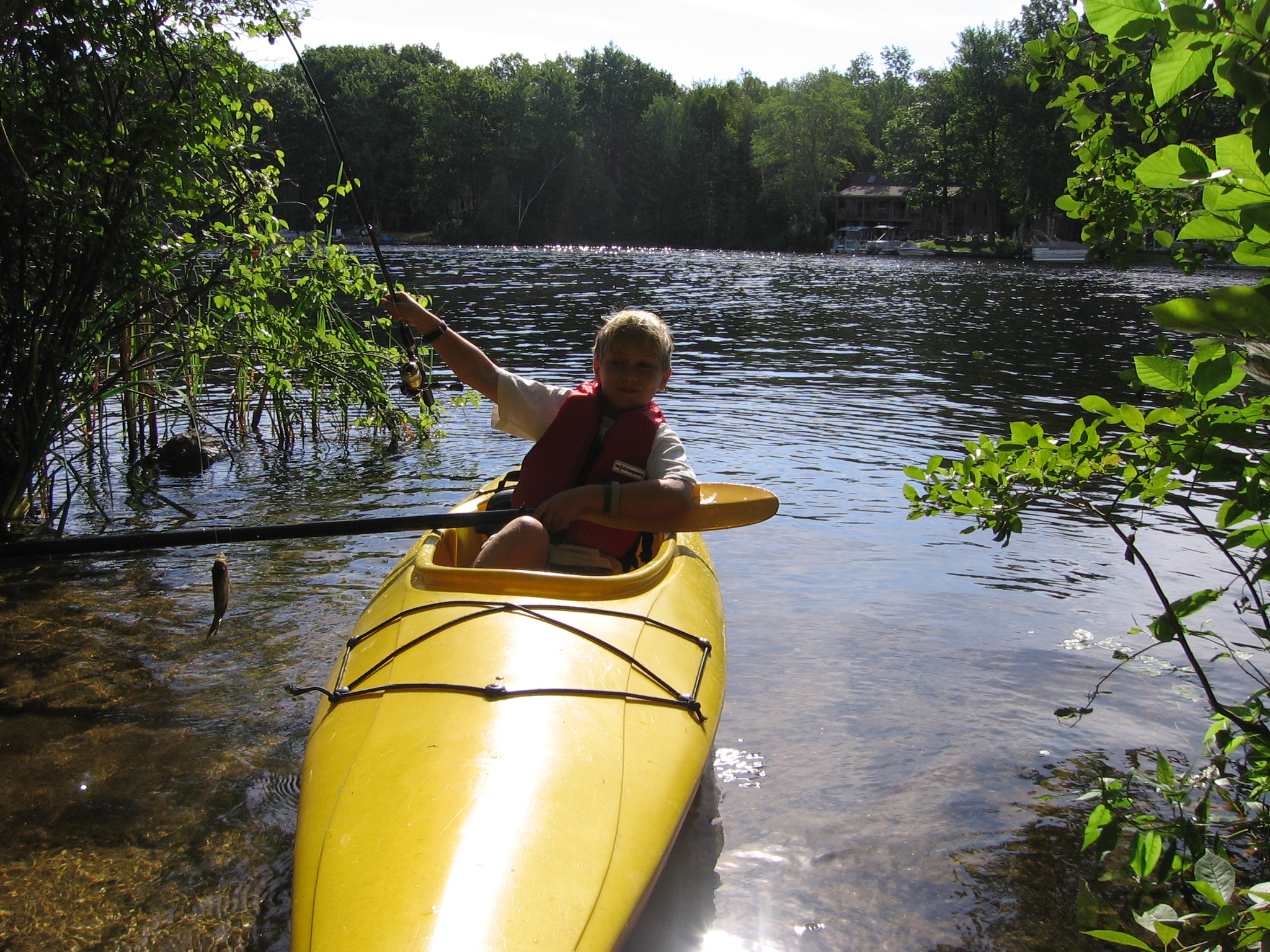
Bats swooped, fish jumped, and the sun set as I watched Kristina lifted her foot off the rock and let her Croc slip into the water. Dave grabbed a fishing pole and with a flick of his wrist attempted to rescue the shoe. but with each missed cast, the bit of plastic blue floated further and further out to sea. Now only visible as a black blob rocking gently on the water surface, the shoe was far from shore. As Sandy took over the fishing pole, Dave ran to the boat, shoved the nearest one into the water, and paddled furiously. Moments later, Kristina was wearing her shoe once again.

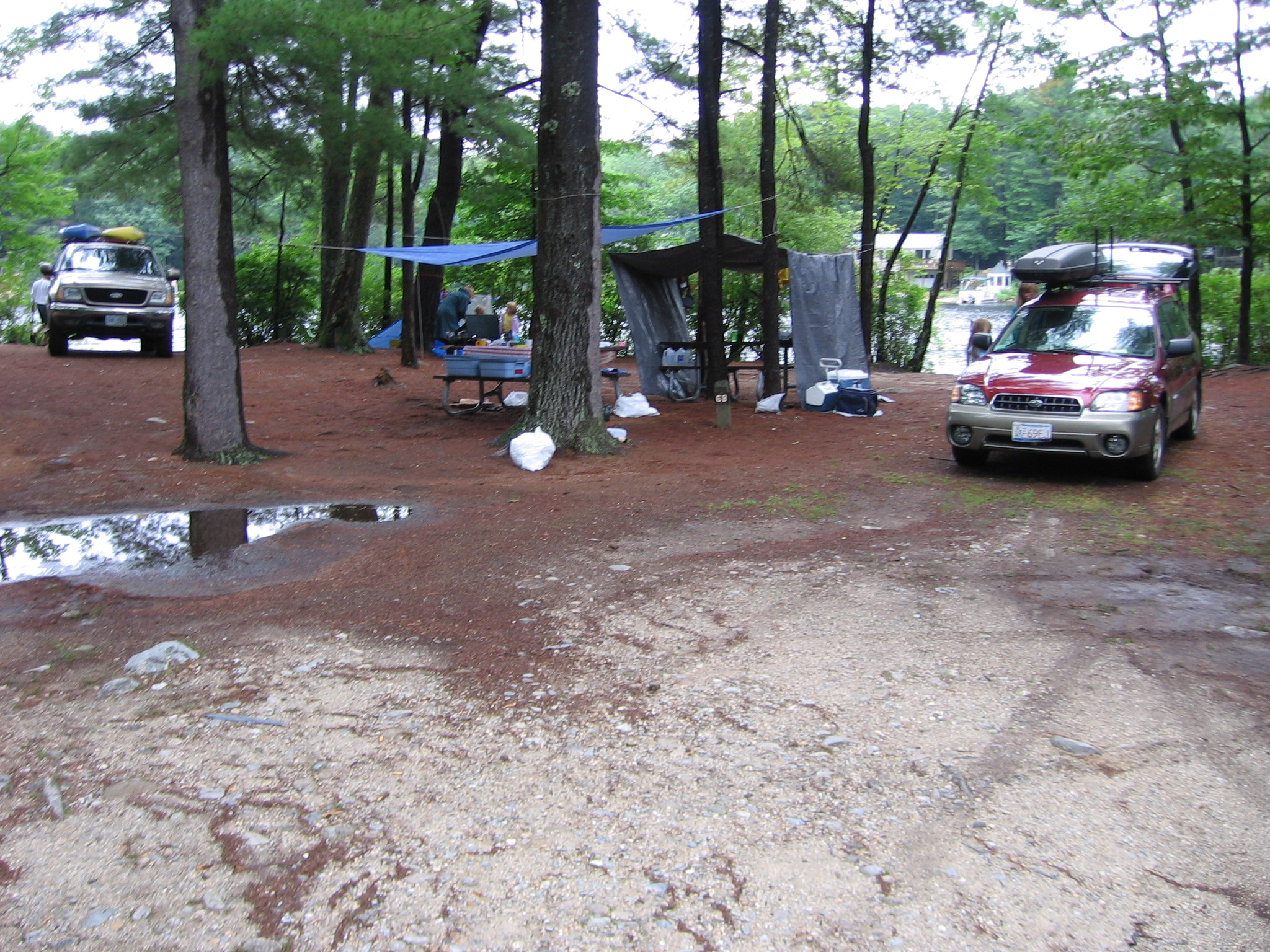
We were camping at Pawtuckaway State Park in New Hampshire, our annual camping weekend with four families from three New England states. Each December we choose a weekend and then in January reserve our three sites on the water. With eight children ranging in age from 6 to 13 that summer, camping brings us all together. We swim and kayak, hike and read, fish and just hang around. The kids play chess, hunt for sticks and catch frogs. It’s on camping weekends that they are allowed to be kids, without scheduled activities or plans, without electronics or toys. The adults watch, but not too closely, allowing them the freedom to explore and to imagine.

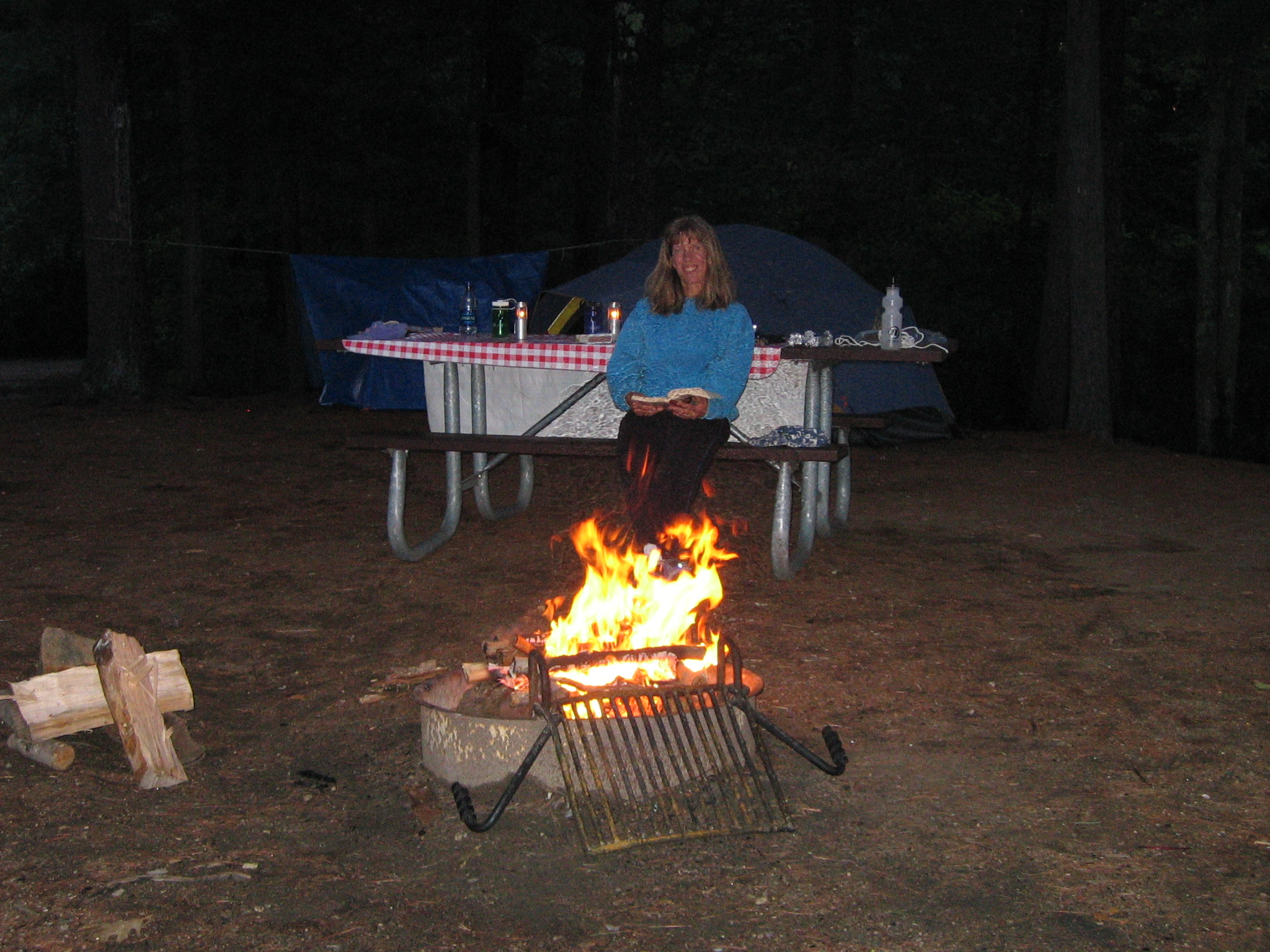
It’s a lot of work to go camping, and each year there is some grumbling before we get there. We bring tents and sleeping bags, folding chairs, wood for the fire, tools, cookware and dishware, fishing gear and boating equipment. We bring food to share and food for ourselves. But once we’ve arrived and the tents are up, there’s a peace and a camaraderie that doesn’t exist at home. If it rains, we put up the umbrellas and the tarp. If it’s hot, we find shade and go for a swim. We collect blueberries in August and roast marshmallows and sing songs around the campfire. Some of us get up early for a kayak while the water is still; others stay up late for a moonlit paddle, while the kids are asleep in the tents, and the other adults reminisce by the fire.

Pawtuckaway State Park has been our camping venue of choice for several years. The campsites are spacious, the restrooms are clean, and the park is accessible. Plan on making reservations early if you want a water site.

Surmounting the Beehive

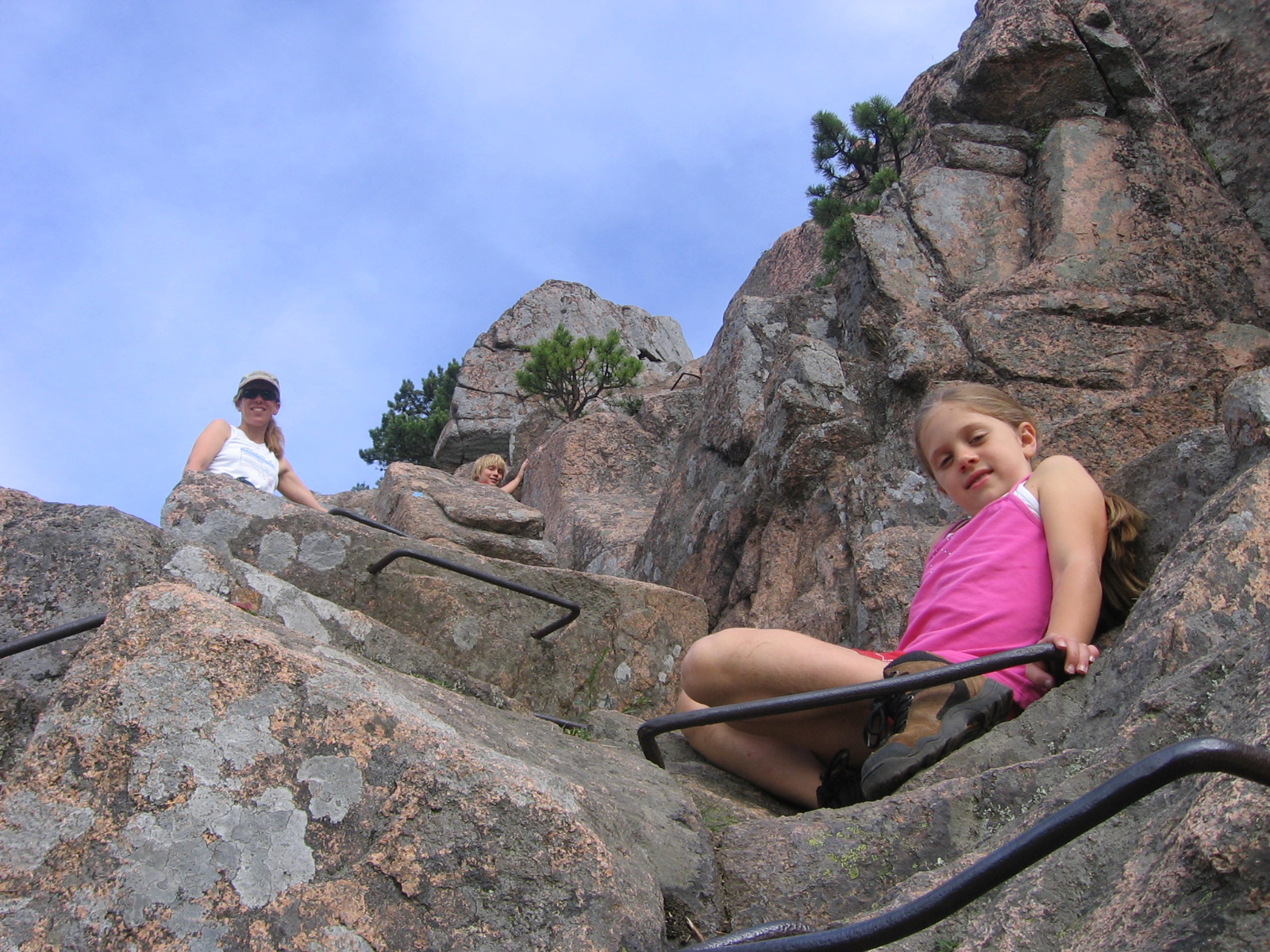
Should we climb the Beehive? My 11-year old son wanted to; my 9-year old daughter was game. But my husband and I weren’t too sure. We read the Acadia National Park’s book of hiking trails’ description. We talked to a ranger and examined her photographs. Through binoculars we watched from below as little bits of color moved along the edge of the mountain. We knew there were iron rungs and exposure, rocky ledges and an iron bridge. The kids insisted they could do it. We decided to go for it.

We began to walk up the trail, pausing to read the sign. “Caution!” it warned. My husband and I looked at each other. Were we doing the right thing? We took a photo of the sign and continued as the trail turned from an easy meander to rock scrambling, boulder stepping, and hand grasping. The trail wasn’t as bad as I had feared. I followed my son with my daughter behind me, occasionally catching glimpses of my husband’s worried face below.  The kids were doing fine and seemed to enjoy the challenge of the mountain. We crossed the narrow iron rung bridge climbing the iron rungs up the pink granite as we would a ladder. Only 30 minutes later, we stood at the top, ready to take our photo with the town newspaper, my husband visibly relieved that it was over, I amused that the elevation was only 542 feet.

That evening, after more hiking, a walk out to some tide pools, and a lobster dinner, we stopped at our campground’s store for some ice cream.  As we licked our ice cream, preparing to play a game of Uno, I noticed a laminated newspaper article posted on a map of Acadia on the store’s bulletin board. The headline read, “Man Dies In 200 Foot Fall Off Beehive.” We laughed knowing we never would have climbed the Beehive if we’d seen that article the night before.

Punch Buggy Green; No Punch Back

Blurry eyed and fuzzy minded, my daughter and I walked the row of rental cars, determined to drive a better car than the Aveo with crank windows, little suspension, and no vim and vigor we’d rented a few months before.

We past a Dodge, a Honda Civic, and a Mazda before spotting a green VW bug a few spaces away. “Mom, can we get it?” my daughter asked awake now and grinning though it was 4 a.m. our time. After confirming the car was available at the price we’d already paid on hotwire.com, we loaded up the trunk with our two suitcases and backpacks and sat inside. Our seatbelts on, I turned the key. Nothing. I turned the key again. Nothing. With help from the car manual (put car in neutral, press on the brake, then turn the key), the car finally started, and we left the rental car area, driving north among the whizzing cars to our final destination and lodging.

For the next several days, our very own “punch buggy” put smiles on our faces whenever we found her waiting for us to go some place new. She put smiles on others’ faces as our friends asked for rides, enjoying the spacious back seat, and just being in the car. And as we drove here and there on highways and back roads, visiting people and places, we knew that people around us were punching each other and shouting, “Punch buggy green. No punch back!”

Trip taken July 2011.

Blooming Tea

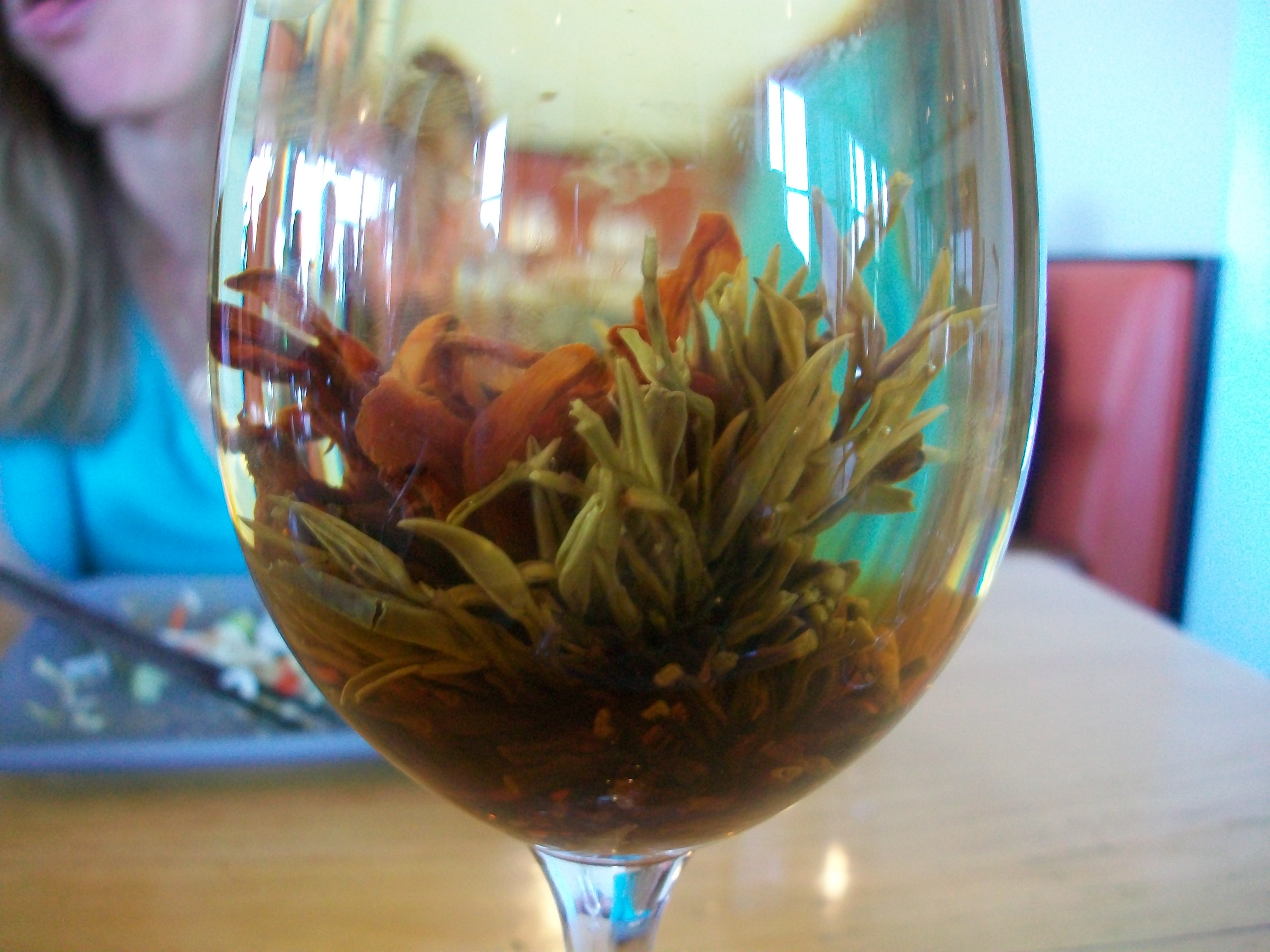
Drinking a cup of art tea at the Slanted Door in San Francisco is a dynamic experience where art is created before your eyes.  I love to watch the ugly dried up brown blob in my clear wine glass evolve. I love to watch as the hot water slowly unfurls the flower’s petals, changing it into a beautiful, aromatic, delicate red flower.

What is art tea? Also called “blooming tea,” art tea refers to a dried flower surrounded by tea leaves whose petals unfurl as the tea steeps and the leaves infuse the water with fragrance and flavor.

Where before I was leery, I now have no hesitation and eagerly sip the jasmine flavored green tea surrounding the beautiful lychee flower.

Trip taken May 2009.

Hiding in a Battery

I scampered along the concrete wall, searching for a place to hide. Almost everyone had appeared then vanished, as suddenly as the white rabbit in our game of sardines where one person hides and everyone else is “it.”

The old batteries just southwest of the Golden Gate Bridge offer few real hiding places, but hide and seekers can disappear beneath steps, under an overhang or above or below another level. While other tourists milled about, I listened for familiar voices and scouted the uneven corners and crevices where tufts of grass and weeds added color to the gray blocks of concrete. I found my family beneath an alcove and squeezed in, my heart pounding, holding my breath, just moments before our hiding place was found by the one whom would soon be it.

Photo by: National Park Service, GGNRA

We laughed at how we must look to the tourists enjoying the view, and we walked down the trail where wild irises bloomed. The girls climbed a tree while the boys ran ahead. We watched the waves crashing several feet below; the bridge almost close enough to touch.

Battery Boutelle is one of several old batteries in San Francisco. Built between 1898 and 1900, its three guns were mounted in 1901 and removed in 1917. Now Battery Boutelle is open for exploring, enjoying the view or playing hide and seek.

To access the battery from the North, take the first right immediately after crossing the Golden Gate Bridge and the second right into the dirt parking lot. For information on the trails that pass by Battery Boutelle, check out the book, “The Best Easy Day Hikes San Francisco” by Tracy Salcedo-Chourre.

Trip taken April 2011.

A Day in the Life of Little Women

“ ‘Christmas won’t be Christmas without any presents,’ grumbled Jo, lying on the rug.” After reading the first sentence of “Little Women” I was hooked. I was 8 years old and a book worm, and though my mom told my teacher I was too young, I read and finished Louisa May Alcott’s book in third grade. I memorized and acted out the first scene with my third grade friends; Mary was Meg, Deanne was Beth, Michelle was Amy, and I was Jo. But it wasn’t until 4th grade that I discovered the book was somewhat autobiographical and that Jo was really Louisa.

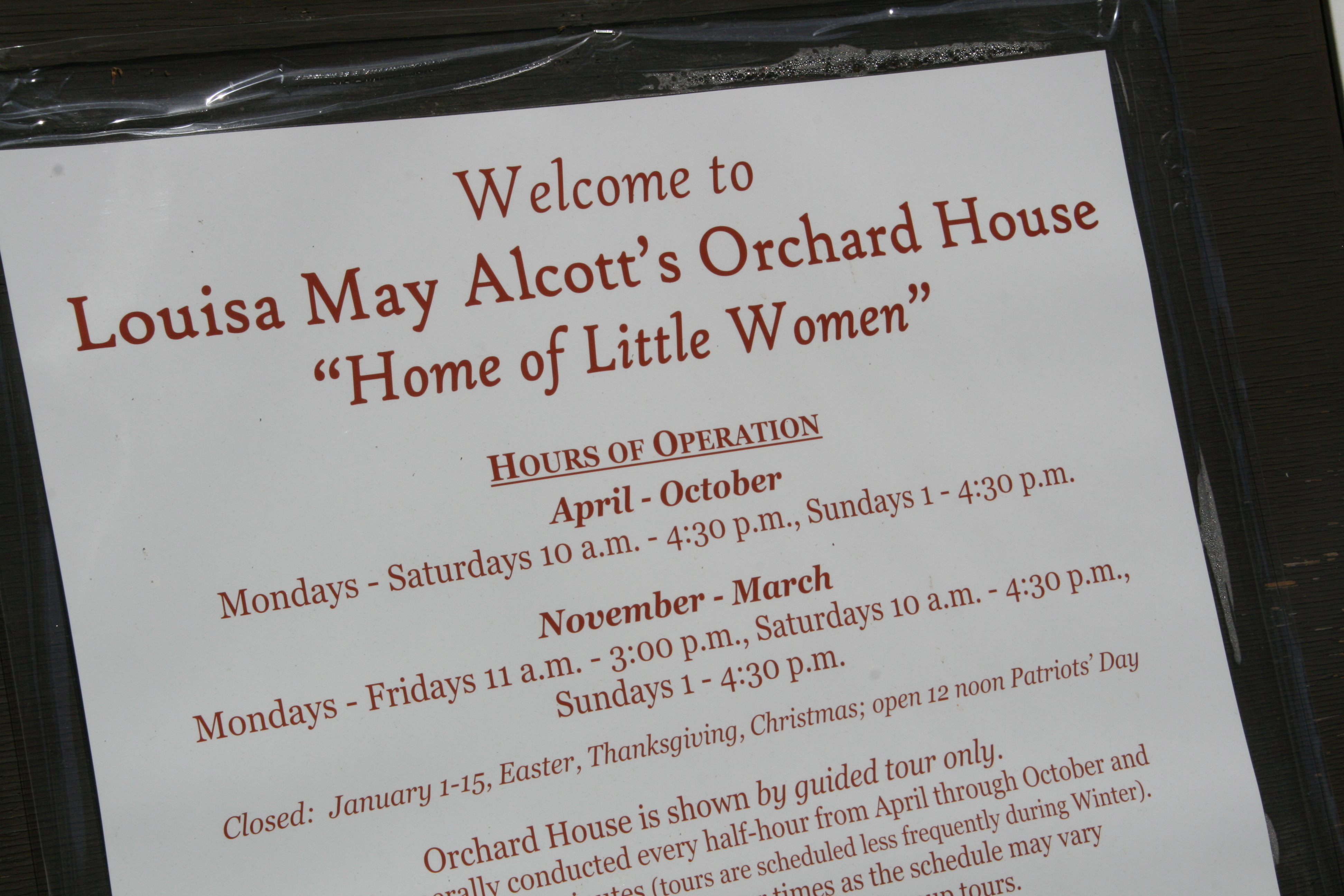
A couple of weeks ago, I visited Orchard House where Louisa lived with her sisters, Anna, Beth, and May, and where “Little Women” was written. Located in Concord, Mass., Orchard House is a museum for lovers of books, of Louisa May Alcott, and especially of “Little Women.” You can see the desk Louisa’s father built for her, May (Amy)’s paintings on the walls, Beth’s piano, and in the month of May, you can see Anna (Meg)’s wedding dress.

After perusing the other books written by Alcott in the museum’s gift store, my daughter, her cousins, and I ate lunch at the French cafe La Provence on Thoreau Street,

before watching a performance of “Little Women” by the Concord Players at 51 Walden. The play was true to the book, at least as I remember it, full of joys and sadness as well as morals and life lessons.

If you missed the performance, you’ll have to wait another 10 years.  A tradition begun in 1932, the Concord Players has performed “Little Women” every 10 years, missing only 1942 due to World War II.

Catching a Glimpse of Obama in SF

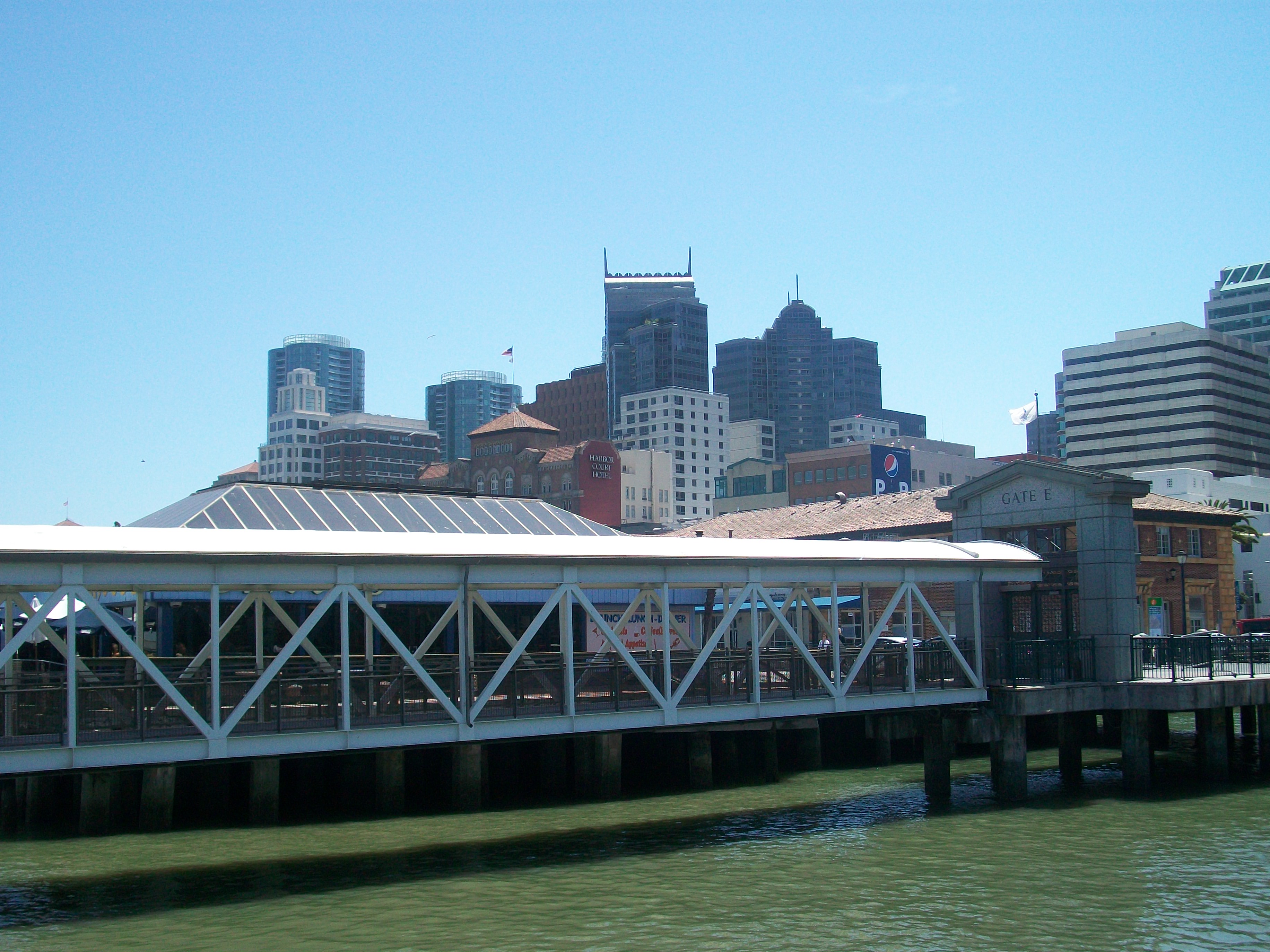
My daughter and I were sitting with my mother and step-father, waiting for the ferry to take us back to Marin, when my step-father pointed out the U.S.S. Potomac.

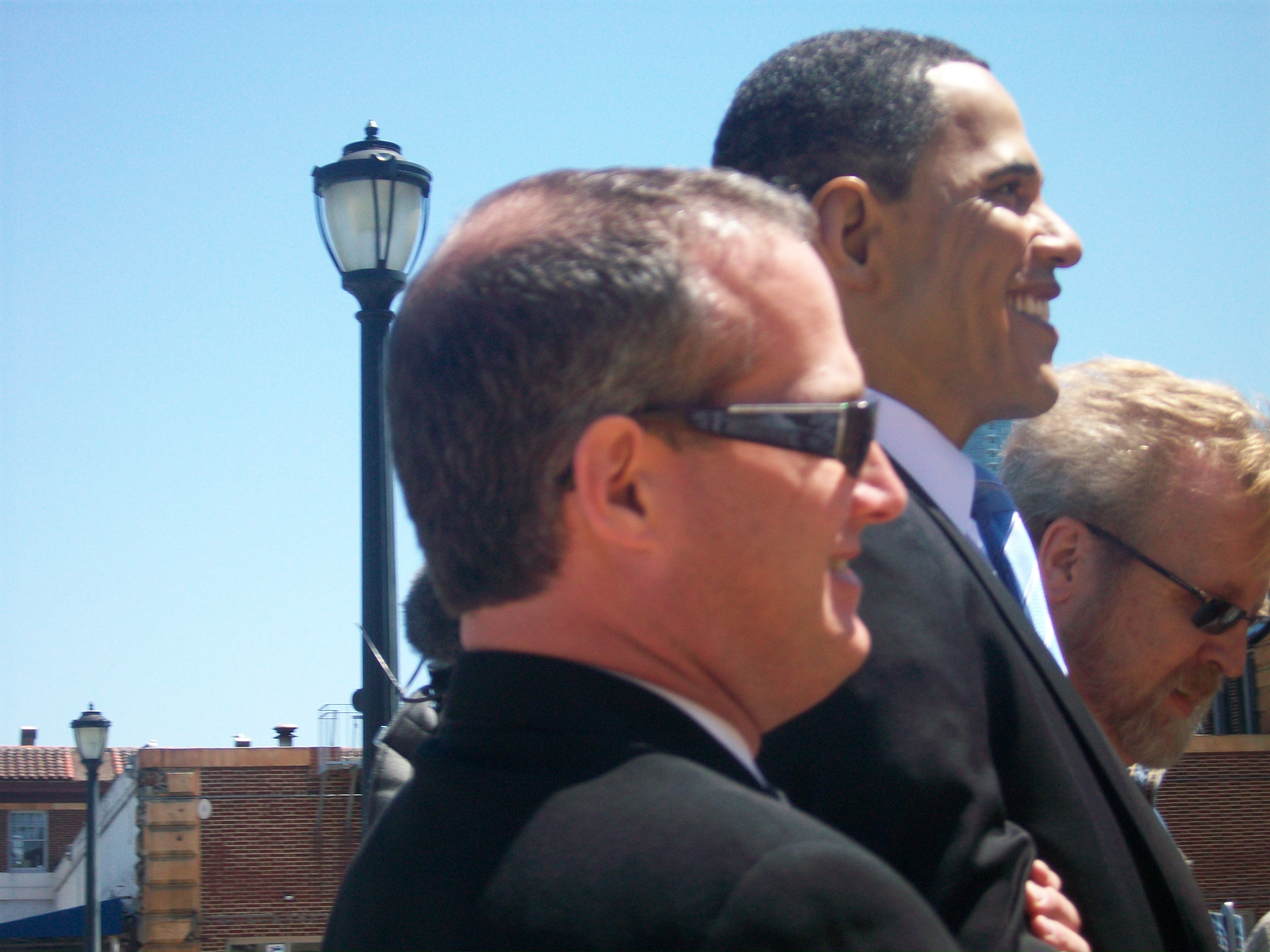
As we watched the presidential yacht once used by FDR arrive at the San Francisco Ferry Building in May 2009, we caught a glimpse of Obama. Or at least we thought we did. Surrounded by a man dressed as FDR, a secret service man, and other important looking people, we watched Obama pose for the photographers, but after awhile, something just didn’t look right.

Obama was just a little too stiff.

Then we figured it out. This Obama was made of wax and was standing in the hot sun.

My daughter and I ran to get a closer look as Obama and his entourage hurriedly disembarked and walked down the dock toward the Ferry Building. Though we knew now that he was made of wax, we were almost as excited as if it really was the president.

Other tourists snapped cameras as we did, watching Obama float by and onto one of the Muni cars on his way to the San Francisco Wax Museum in Fisherman’s Wharf.

We haven’t visited him at the wax museum yet. Maybe we’ll see him this summer. To read an article about this event, click here.

Photos on this post by Erica Taft on trip taken in May 2009.

San Francisco’s Gourmet Faneuil Hall

Every trip I take to San Francisco, I always end up at the Ferry Building. I love to meander among the open shops, browsing the unique objects for sale, the ceramic sushi dishes, the redwood burl bowls, the handmade felt animals, silk scarves, and fragrant soaps. I like to taste the chocolate, to sip the drip coffee, to sample the olive oil, and the honey. I like to browse the books, check out the many mushrooms for sale, and drool over the cheeses.

There are so many good places to eat and to sample. I’ve eaten green papaya salad at the Slanted Door, fish tacos at Mijita, and had a mint chip shake at Gott’s Roadside.  I’ve bought fruit and veggies at the Farmers’ Market and sat outside on a bench in the sun, watching the boats and the people go by.

And for you gluten-free eaters, Mariposa Baking Company sells gluten-free breads, quiches, bagels, cookies, and other goodies right in the building. For more gluten-free ideas on where to eat in the Ferry Building, check out these blogs: www.gfreefoodie.com  and www.gfinsf.com.

Just a ferry ride from Marin, a Muni ride from Fisherman’s Wharf, a walk from California Street’s cable car stop, or an easy drive in the city with metered parking across the street, the Ferry Building is located on the water near the Embarcadero. I remember when the building was empty, just a cavern to walk through on my way to work in San Francisco. Now it’s a destination, whether for lunch or dinner, to buy a gift, or just to browse. Every time I go to the city by the bay, I make a point to stop, and I’m never sorry I did.

Photos on this post by Erica Taft on trip taken in May 2009.