Bats swooped, fish jumped, and the sun set as I watched Kristina lifted her foot off the rock and let her Croc slip into the water. Dave grabbed a fishing pole and with a flick of his wrist attempted to rescue the shoe. but with each missed cast, the bit of plastic blue floated further and further out to sea. Now only visible as a black blob rocking gently on the water surface, the shoe was far from shore. As Sandy took over the fishing pole, Dave ran to the boat, shoved the nearest one into the water, and paddled furiously. Moments later, Kristina was wearing her shoe once again.
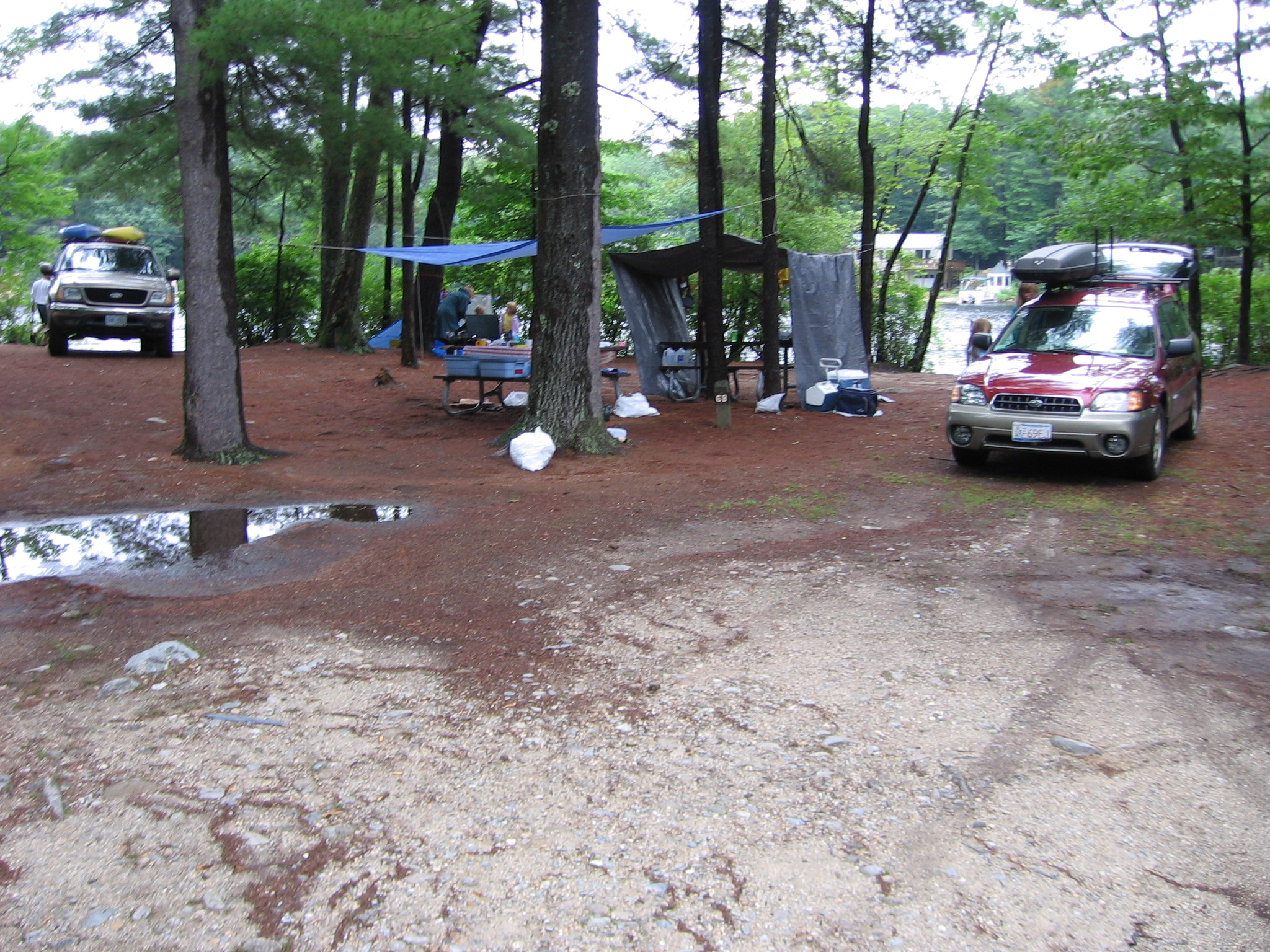 We were camping at Pawtuckaway State Park in New Hampshire, our annual camping weekend with four families from three New England states. Each December we choose a weekend and then in January reserve our three sites on the water. With eight children ranging in age from 6 to 13 that summer, camping brings us all together. We swim and kayak, hike and read, fish and just hang around. The kids play chess, hunt for sticks and catch frogs. It’s on camping weekends that they are allowed to be kids, without scheduled activities or plans, without electronics or toys. The adults watch, but not too closely, allowing them the freedom to explore and to imagine.
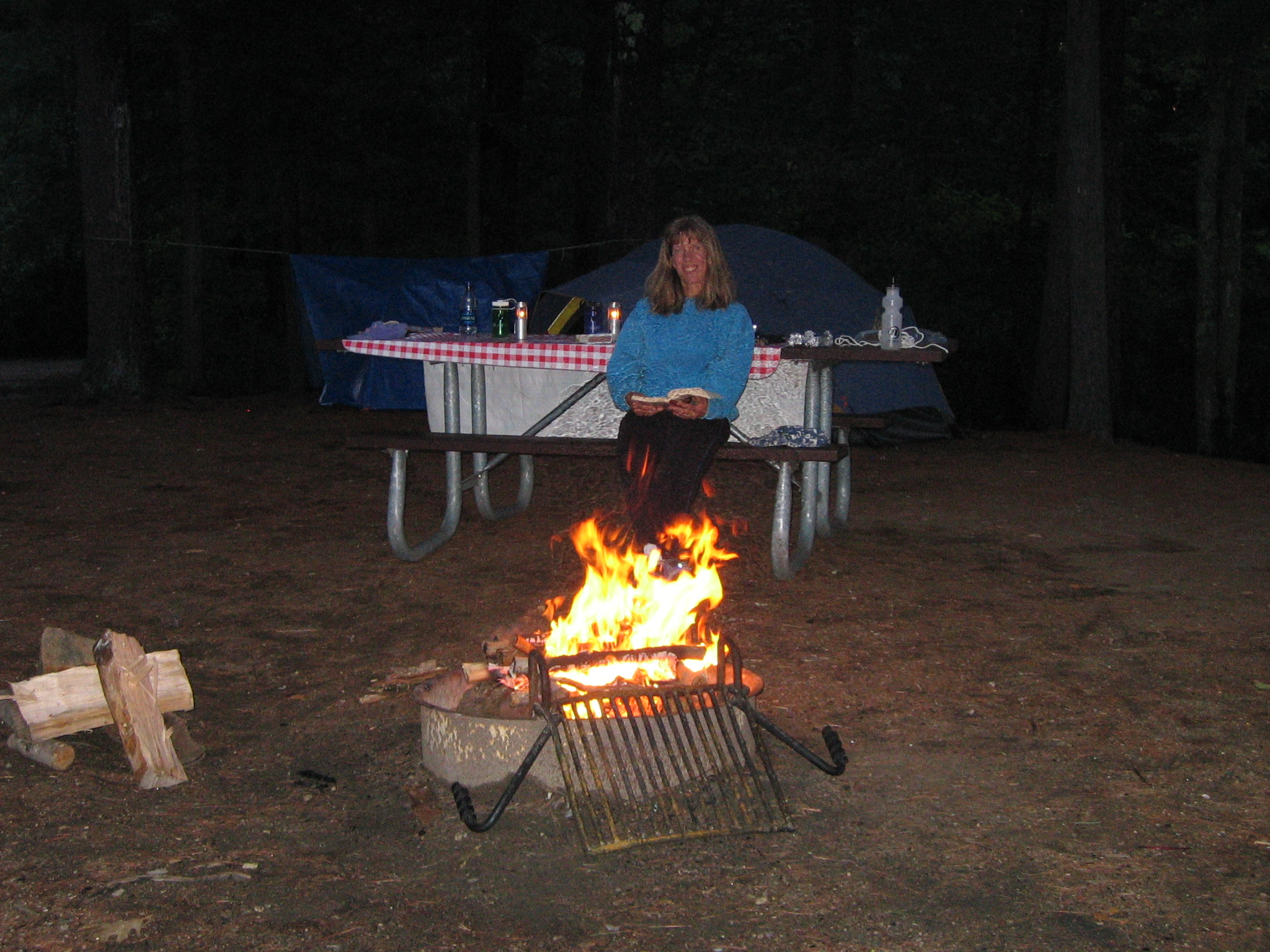
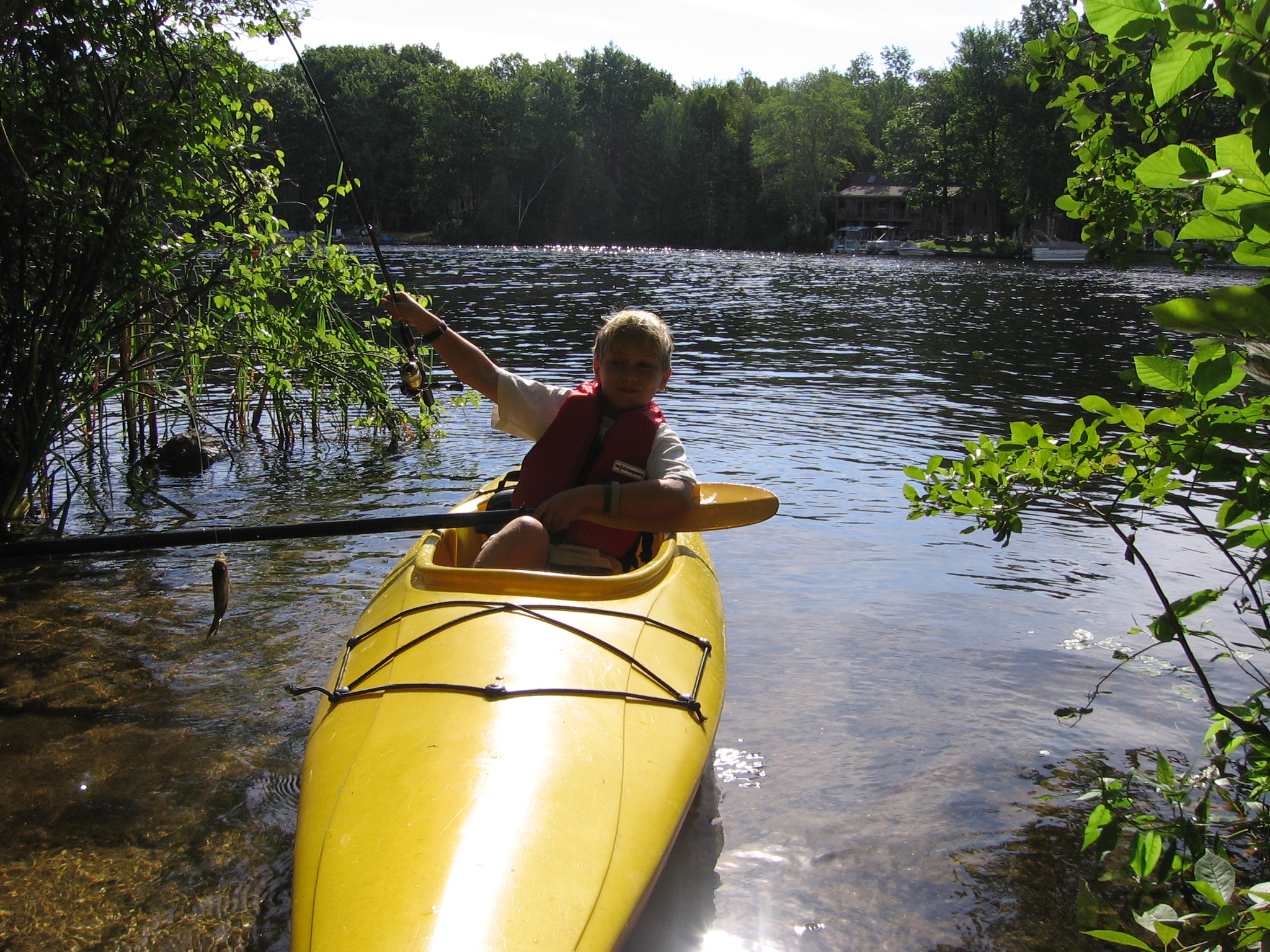 It’s a lot of work to go camping, and each year there is some grumbling before we get there. We bring tents and sleeping bags, folding chairs, wood for the fire, tools, cookware and dishware, fishing gear and boating equipment. We bring food to share and food for ourselves. But once we’ve arrived and the tents are up, there’s a peace and a camaraderie that doesn’t exist at home. If it rains, we put up the umbrellas and the tarp. If it’s hot, we find shade and go for a swim. We collect blueberries in August and roast marshmallows and sing songs around the campfire. Some of us get up early for a kayak while the water is still; others stay up late for a moonlit paddle, while the kids are asleep in the tents, and the other adults reminisce by the fire.
 Pawtuckaway State Park has been our camping venue of choice for several years. The campsites are spacious, the restrooms are clean, and the park is accessible. Plan on making reservations early if you want a water site.


 Snapshots and Sojourns